A routine practice by states of neglecting minimum wage revision is one of the many reasons behind the spread of workers' unrest in the country, according to labour experts, Opposition parties and unions.
The Minimum Wages Act of 1948 empowers the states to fix a wide variety of minimum wages for different types of work and revise them regularly at intervals not exceeding five years. The revision has to take into consideration changes in the cost of living, GDP growth, and development in labour productivity, and not merely price inflation.
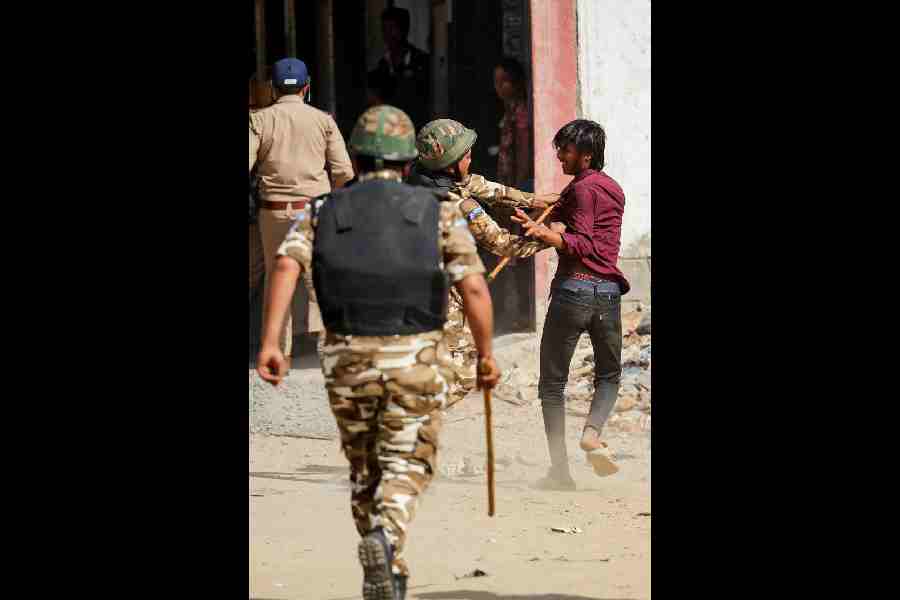
After 12 years, the Uttar Pradesh government on Tuesday revised the minimum wage following protests by workers in Noida over low wages and poor working conditions. The Haryana government this month revised the wage rates following workers' protests in Panipat and Manesar. The state had last revised the minimum wage in 2015.
According to the All India Trade Union Congress (Aituc) and the Centre of Indian Trade Unions (Citu), Punjab, Manipur, Madhya Pradesh and Assam have not revised wages for nearly 10 years. Moreover, every state is supposed to reconstitute the Minimum Wage Advisory Committee to recommend wages, compensation, gratuity, number of hours of work, and revisions in wages from time to time. The state does not set up such panels, said labour economist K.R. Shyam Sundar, adjunct professor at MDI Gurgaon.
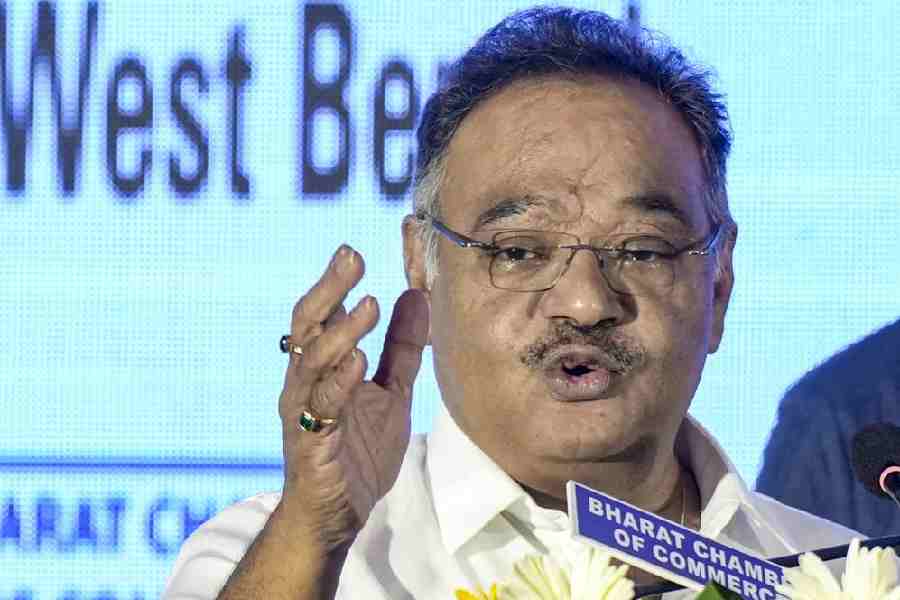
"Basic wage rates are not revised every five years as provided under the law. Some states revise the cost-of-living allowance, which is not the actual revision. This is the practice irrespective of the party ruling the states," Sundar said. He said revision enforcement was poor in the states and establishments did not pay the notified wages.
"Minimum wage is the most important economic instrument to reduce poverty. Its revision is invariably neglected. The cost of living is going up with inflation. This has forced workers to protest," he said.
The protests in Noida are not an isolated incident. Contract workers in Barauni refinery areas resorted to similar agitation in February, and workers protested at the Indian Oil Corporation's Panipat refinery. There have been protests in Surat (Gujarat) and Manesar in Haryana.
Aituc general secretary Amarjeet Kaur and Citu secretary A.R. Sindhu highlighted the neglect of safety conditions in workplaces, resulting in loss of lives and injury to workers. They said the labour codes passed by the Narendra Modi government to replace the 29 labour laws had added to the process of informalisation and contractualisation, which would accentuate workers' unrest.
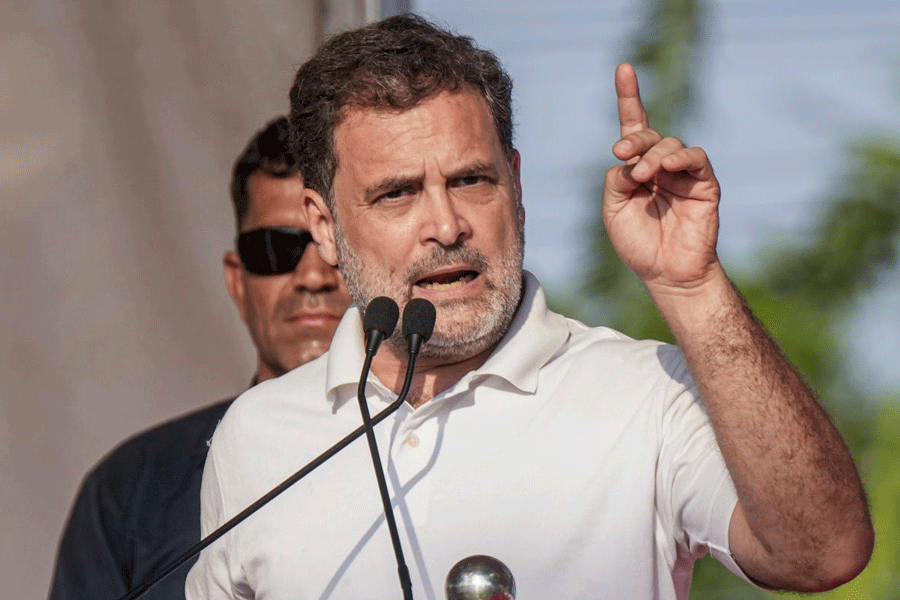
Opposition leader Rahul Gandhi said on X: "A worker in Noida earns a monthly salary of ₹12,000; rent costs ₹4,000-7,000. By the time he gets a ₹300 annual raise, the landlord hikes the rent by ₹500 a year. Until the salary catches up, this runaway inflation chokes life out of him, drowns him in the depths of debt — that's the truth of 'Viksit Bharat'."