The Congress on Friday accused the Centre of calling a “special session” of Parliament to push key legislations with an eye on electoral gains in West Bengal and Tamil Nadu, terming the move a “gross violation” of the model code of conduct.
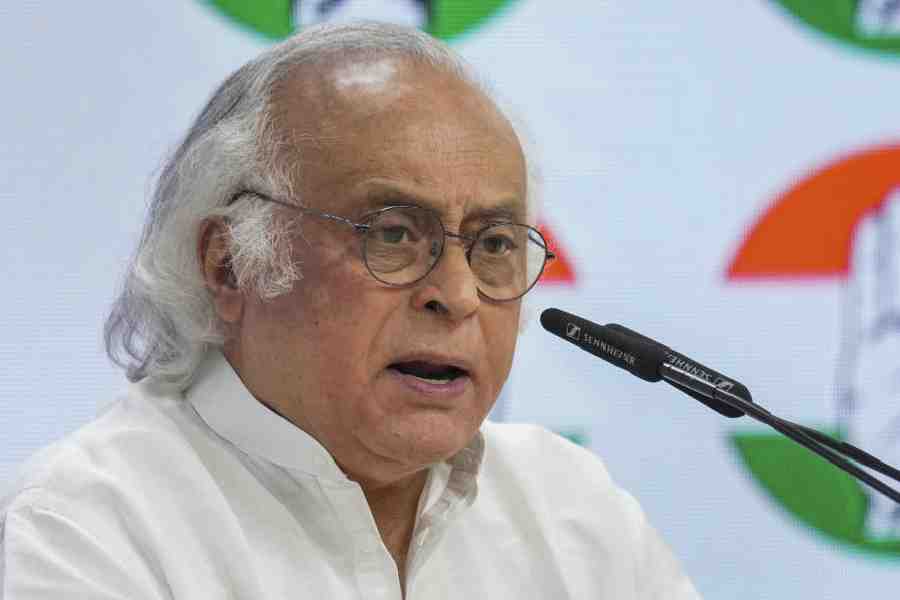
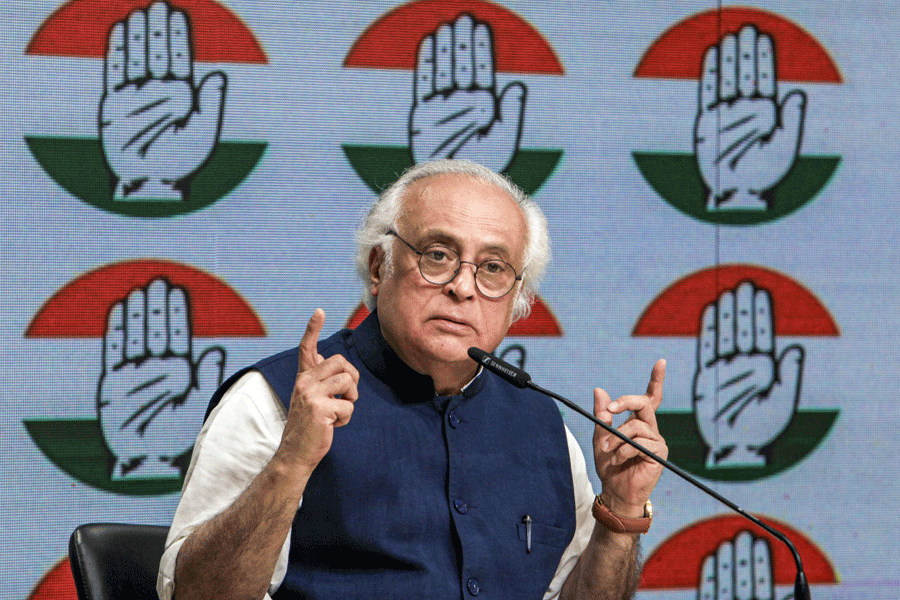
Addressing a press conference, Congress general secretary in-charge communications Jairam Ramesh alleged that the government had remained inactive for months after passing the women’s reservation law, only to revive it now for political advantage.
He said the government kept “sleeping” for 30 months after the passage of the Nari Shakti Vandan Adhiniyam, 2023, and was now attempting to take “double credit” during the election season.
Ramesh also noted the absence of any formal proposal on delimitation from the government. “However, off the record, we got to know that there would be a proportionate increase in seats in Lok Sabha seats,” he said.
Warning of regional imbalance, he added that while the proposal is being projected as proportional, “the reality is that smaller states and those in the South, Northeast, and West would suffer massively.”
Citing potential changes, Ramesh claimed Uttar Pradesh’s representation could rise sharply, while states like Kerala may see limited gains. “So what we have heard unofficially this would be very dangerous for many states,” he said.
“The only objective of this special session is to grab political mileage to influence polls in Tamil Nadu and West Bengal. Could it not have been called after 15 days?” he asked.
The Congress leadership, including Mallikarjun Kharge and Rahul Gandhi, is set to meet senior party MPs and other opposition leaders before April 16 to chalk out a joint strategy.
Ramesh further accused the government of prioritising optics over substance. This government functions on “narrative management”. They want to call a “special session” as they are losing the political and foreign policy narrative, Ramesh said.
He urged the Centre to defer discussions and hold broader consultations. The government should not be in a hurry and call an all-party meeting after April 29, he asserted.
His remarks come amid indications that Parliament will reconvene on April 16 for a brief three-day sitting to consider legislation, including proposals linked to the women’s reservation law and a possible increase in Lok Sabha seats from 543 to 816.
While the government is pushing to pass these bills, the opposition has accused it of rushing amendments to gain political advantage during the ongoing election cycle.
Detailing communication between the Centre and the Opposition, Ramesh said, “The government has stated that both the Houses will meet on April 16,17 and 18 and there will be a special session. The first thing is that Parliamentary Affairs Minister Kiren Rijiju on March 16 wrote to Congress chief Kharge that the government wants to have talks with the Congress for making amendments in the Nari Shakti Vandan Adhiniyam. Kharge ji responded saying that an all-party meeting be called with all parties sitting together as the government believes in divide and rule,” he said.
He added that opposition parties had collectively written to the government seeking to defer such meetings. “After two days on March 26, Rijiju wrote to Kharge ji that Congress should meet us and hold talks on the constitutional amendment. Half an hour later, Kharge ji responded to Rijiju and reiterated the demand for an all party meeting after April 29,” he said.
Ramesh alleged that the government initially planned the session earlier but changed course. “Then they took a one-sided decision to call the session when campaigning would be on for polls in West Bengal and Tamil Nadu and the MCC is in place,” he said.
He also pointed out that delimitation was not part of earlier discussions. “There had been no talk of delimitation. Rijiju never said delimitation was also on the agenda. In these three days, the women's quota law would be amended and there would be a constitution amendment related to delimitation,” he said.
Recalling earlier debates, Ramesh said, “Kharge ji had back then demanded that it should be immediately implemented as you don't need Census or delimitation but they said delimitation and census was necessary. They kept sleeping for 30 months,” Ramesh said.
He also flagged inconsistencies in the government’s position on the Census timeline. “And suddenly the government said the census results would come till 2029,” he said.
The government, meanwhile, has been engaging in back-channel discussions to bring in bills aimed at implementing women’s reservation and delinking delimitation from the Census, potentially increasing Lok Sabha seats significantly.
The issue has already triggered sharp exchanges in Parliament, with the treasury benches defending their legislative prerogative and the Opposition accusing the Centre of attempting to “bulldoze” critical changes for electoral gain.
The second half of the Budget session is scheduled to resume on April 16, with sittings likely over three days. Elections in multiple states, including West Bengal and Tamil Nadu, are set to take place later this month, intensifying the political backdrop to the proposed session.