India has made significant strides in climate protection with a "whole-of-government" approach adopted by the Narendra Modi-led government, Union environment minister Bhupender Yadav said on Tuesday, asserting that the number of protected areas and wildlife reserves has increased substantially since 2014.
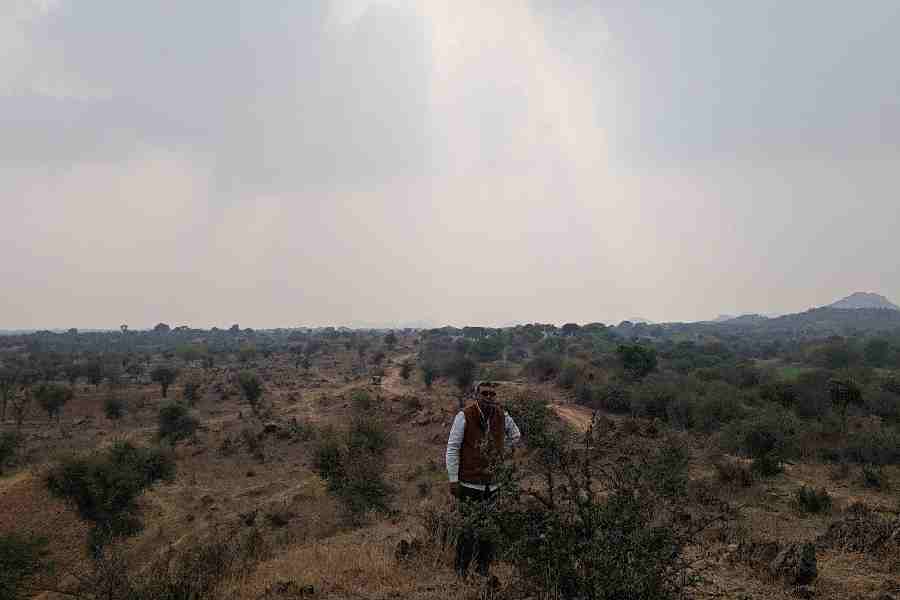
Replying to a debate on the working of his ministry in the Rajya Sabha, Yadav said the government was committed to protecting and conserving the Aravalli ranges.
He said the number of protected areas in the country has increased from 757 in 2014 to 1,134 in 2026, while the total protected area has expanded from 1,68,838.37 sq km to 1,87,162.91 sq km.
Highlighting conservation efforts, Yadav said the number of tiger reserves has increased from 47 in 2014 to 58, elephant reserves from 26 to 33, and the Asiatic lion population has risen from 523 to 891.
"Around 70 per cent of the world's tigers in the wild are in India," he said.The minister also said India has enhanced its tree cover from 92,572 sq km to 1,12,014 sq km, helping create additional carbon sinks in line with its climate commitments.Yadav further said that environmental clearances for industrial projects are now granted much faster than before.
"Before 2014, it used to take around 600 days to get an environmental clearance in this country… If somebody wanted to start an industry, it would take about three years to get the environmental clearance. Now we have ensured that an environmental clearance is given within 90 days," he said.
According to the minister, this has been made possible through the PARIVESH (Pro-Active and Responsive Facilitation by Interactive and Virtuous Environmental Single-window Hub) portal launched in 2018, which digitised the environmental clearance process.
PARIVESH 2.0, launched later, allows project proponents to track the progress of their clearance applications online.
However, environmental experts have cautioned that the push to speed up approvals could weaken environmental scrutiny.
Some environmental lawyers and researchers have warned that faster clearances may compromise the quality of environmental impact assessments, particularly if expert panels lack the required expertise.
"Chasing speed over quality of assessments can pose grave risks," environmental lawyer Ritwick Dutta had said in a media report.
Critics have also questioned whether shorter approval timelines allow adequate scrutiny of projects with potentially significant ecological impact.
Environmentalists have argued that policies prioritising quicker clearances risk turning environmental regulation into a procedural formality rather than a rigorous safeguard.
The minister said the government had also framed rules on construction and demolition waste, electronic waste, fly ash disposal and single-use plastics to tackle pollution.
Addressing the controversy surrounding the Aravalli hills, Yadav accused the previous Congress government in Rajasthan of encouraging illegal mining in the region.
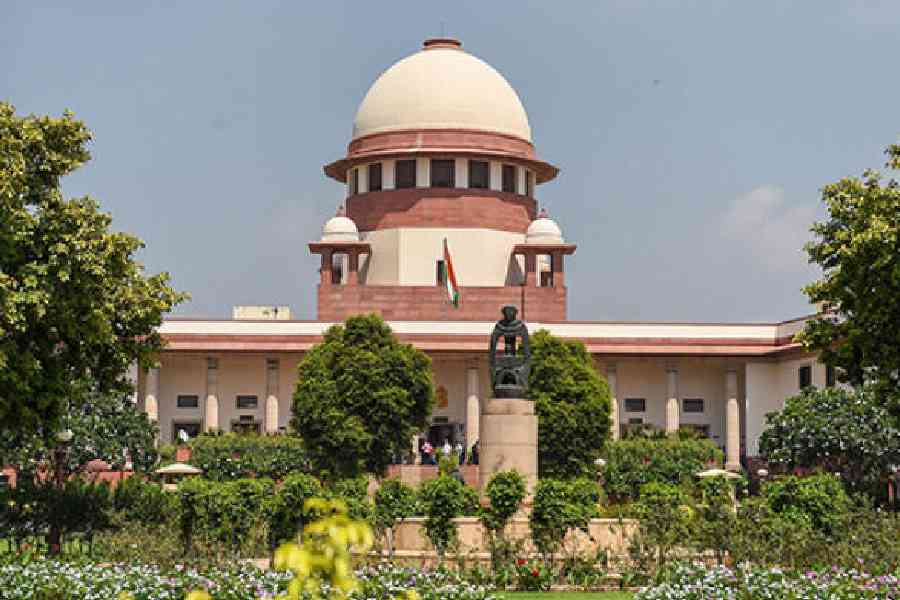
"The Supreme Court took cognisance because of rampant illegal mining in Aravalli during Ashok Gehlot's regime. In 2012, when Gehlot's government in Rajasthan was resorting to illegal mining, I had raised this issue," he said.
Yadav asserted that the Modi government had not encouraged illegal mining in the Aravalli range and said mining had been banned in several areas including Delhi, Faridabad and Gurugram.
The minister also said the government was positive about the formation of a high-powered committee as directed by the Supreme Court to define the Aravalli hills and ranges.
The apex court in February asked the environment ministry and other stakeholders to suggest names of domain experts for the panel and observed that only lawful mining would be allowed in the region.
Participating in the debate, Congress member Neeraj Dangi raised concerns about deforestation, air pollution and the impact of large infrastructure projects on ecosystems and tribal communities.
"I want to express the pain of people who are suffering from air pollution. Jungles are being cut, and the future is being threatened by climate change," he said.
Environmental groups have also raised concerns in recent years that rapid industrial expansion and large infrastructure projects could place additional pressure on forests and fragile ecosystems despite conservation gains.
The Opposition later staged a walkout after Congress leader Jairam Ramesh accused Yadav of using objectionable words and demanded an apology. Several Congress and other opposition party members stood up in Ramesh's support.