The Narendra Modi government on Friday revealed that six Indian armed forces personnel were killed during Operation Sindoor and released their identities, prompting Opposition accusations of concealing their martyrdom and denying them recognition for more than a year.
There was no ceremonial announcement. The names of the six martyrs — five army personnel and an air force sergeant — were quietly put up on the Roll of Honour, the list of armed forces personnel killed in the line of duty, on the National War Memorial website.
The six are Subedar Major Pawan Kumar, Rifleman Sunil Kumar, Lance Naik Dinesh Kumar, Agniveer Murali Naik, Havildar Sunil Kumar Singh and air force Sergeant
Surendra Kumar.
“Most of the six casualties took place in Jammu and Kashmir,” a defence ministry official said.
The government has in the past acknowledged “casualties” during the May 7-10 military operation last year against the terror infrastructure in Pakistan and Pakistan-occupied Kashmir, but cited no figures or names.
The Congress said it was a “shame” that a government that flaunts it muscular nationalism had denied a group of national heroes the honour they deserved for a year.
“These are the brave sons of India who laid down their lives defending India’s honour and the sindoor of our sisters after the Pahalgam attack. Their names should have been etched into the national consciousness. Their families should have seen a grateful nation honouring their sacrifice,” Congress media and publicity head Pawan Khera posted on X.
“Instead, for an entire year, the BJP government chose to conceal their martyrdom from the nation. The same government that wraps itself in the flag and speaks endlessly of nationalism denied these heroes the recognition and remembrance they deserved. Such a shame!”
The six names will be inscribed on the Tyag Chakra (Circle of Sacrifice) at the National War Memorial in Delhi, dedicated to all the defence personnel who died in the service of the nation since Independence.
The Tyag Chakra consists of concentric circular walls, made up of independent, interlocking granite bricks. Each brick represents afallen soldier and is engraved with their name, rank and unit.
India had launched Operation Sindoor in response to the April 22 terror attack in Pahalgam, Kashmir, that left 25 tourists and a local pony operator dead.
During the operation, India claimed to have destroyed nine terror camps — four in Pakistan and five in PoK — linked to banned outfits such as the Lashkar-e-Toiba, Jaish-e-Mohammed and the Hizbul Mujahideen.
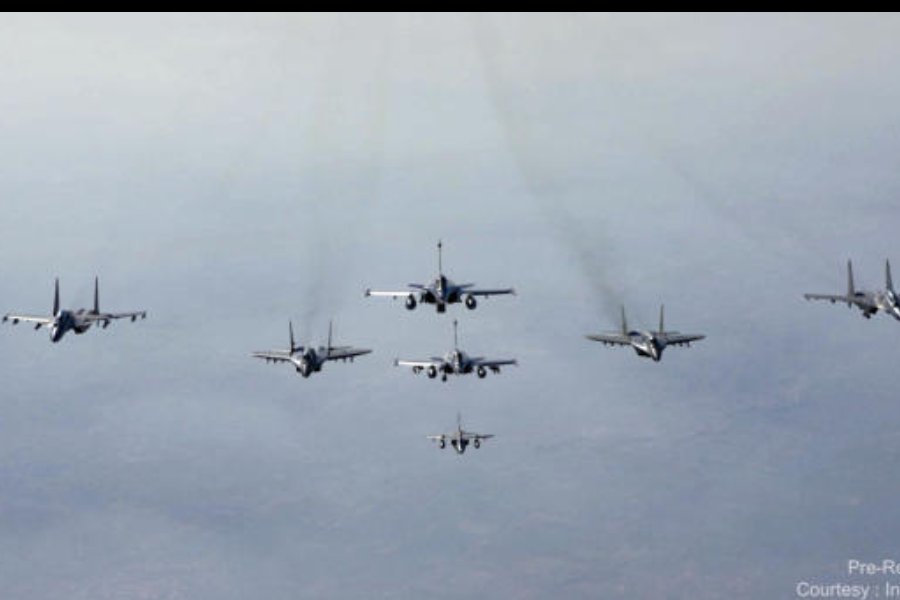
After nearly four days of intense fighting during which both countries used fighter jets, missiles, drones and artillery, an “understanding” was reached on May 10 to stop all military action on land, air and sea.
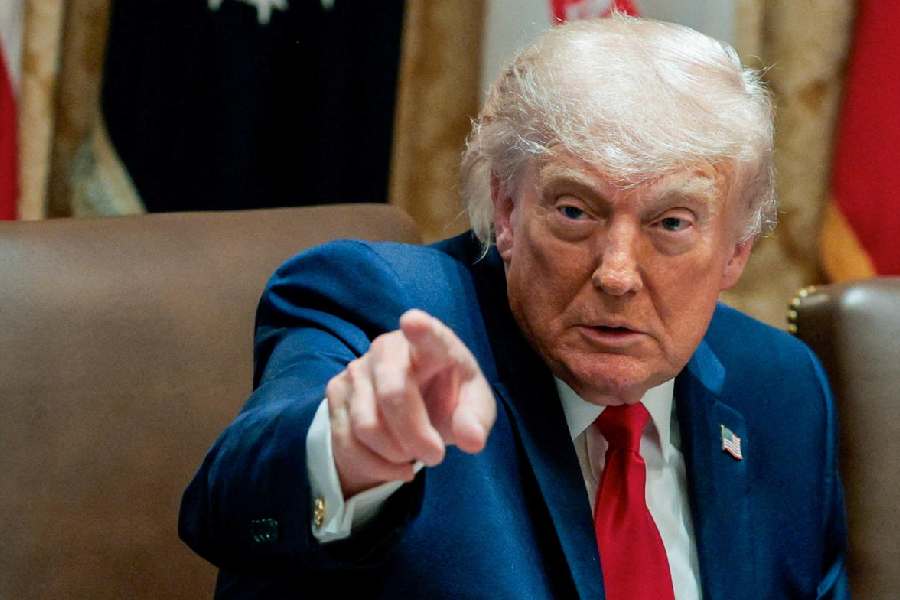
US President Donald Trump, the first to announce the cessation of hostilities, has since claimed dozens of times that he had brokered the “truce” between India and Pakistan. New Delhi denies this but has not openly challenged Trump over his claim.