The Narendra Modi government is likely to push through Parliament a contentious bill that proposes the automatic removal of chief ministers and ministers, and also the Prime Minister, from office if they remain under arrest or judicial custody for 30 consecutive days in cases involving serious offences, sources said.
The 130th Constitutional Amendment Bill would be in addition to the constitutional amendment to enable delimitation of constituencies on the stated reason of facilitating the implementation of the Women’s Reservation Act 2023. Both bills are expected to be taken up during the monsoon session of Parliament beginning in the second half of July, the sources said.
As constitutional amendments require a two-thirds majority in both Houses, government managers expressed confidence about securing the necessary numbers, with the sources indicating that more Opposition MPs could switch sides following the recent merger of 20 Trinamool Congress rebels with a Tripura-based party and the crossover of 6 Shiv Sena (UBT) MPs to the faction led by Eknath Shinde.
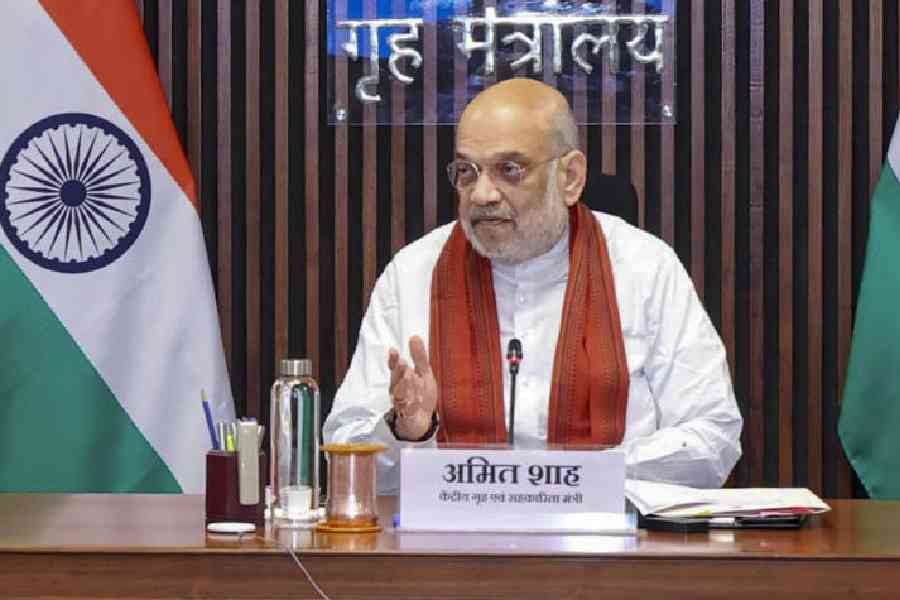
The proposed 130th Constitutional Amendment Bill was introduced by home minister Amit Shah in the Lok Sabha in August 2025 amid fierce Opposition protests and was subsequently referred to a joint parliamentary committee headed by BJP MP Aparajita Sarangi.
The Congress and most INDIA bloc parties had boycotted the JPC, arguing that the exercise was merely a formality as the BJP would use its majority to override dissenting views. Among the few Opposition members who participated were AIMIM chief Asaduddin Owaisi, NCP (Sharad Pawar) leader Supriya Sule and YSR Congress Rajya Sabha member S. Niranjan Reddy.
The Opposition has described the proposed law as anti-constitutional, anti-federal and violative of the principle of natural justice, arguing that it seeks to punish elected constitutional functionaries solely based on prolonged custody rather than conviction. They have also warned that the provision could become a potent political weapon, alleging that central investigative agencies are already being used to target Opposition leaders.
The government has defended the proposed law as a measure to uphold “constitutional morality” and ethical standards in public life, arguing that chief ministers and ministers should not continue in office while lodged in jail for prolonged periods.
According to government sources, the proposal gathered momentum after former
Delhi chief minister Arvind Kejriwal refused to resign following his arrest in the excise policy case.
Despite the boycott by most Opposition parties, the JPC is said to have held extensive consultations with legal experts and stakeholders and is expected to submit its report before or during the monsoon session. Thereafter, the government plans to introduce the bill and move for its passage.
“Members of the committee are unanimous on the need for a law that upholds constitutional morality by requiring holders of high constitutional office to vacate their posts if they remain in custody in serious criminal cases. At the same time, safeguards have been suggested to prevent misuse, and these will form part of the report,” a source said.
The JPC is scheduled to meet on July 17, when it is expected to invite submissions from major Opposition parties that had boycotted its proceedings, allowing them to formally place their views on record.
Sources said the committee could recommend limited modifications to address concerns raised by constitutional experts and Opposition parties without altering the bill’s central provision.
As introduced in the Lok Sabha, the bill provides for the removal of the Prime Minister, chief ministers and ministers if they are accused of an offence punishable with imprisonment of five years or more and remains under arrest or in judicial custody for 30 consecutive days.