Sunday, 28 June 2026
Sunday, 28 June 2026
Sunday, 28 June 2026
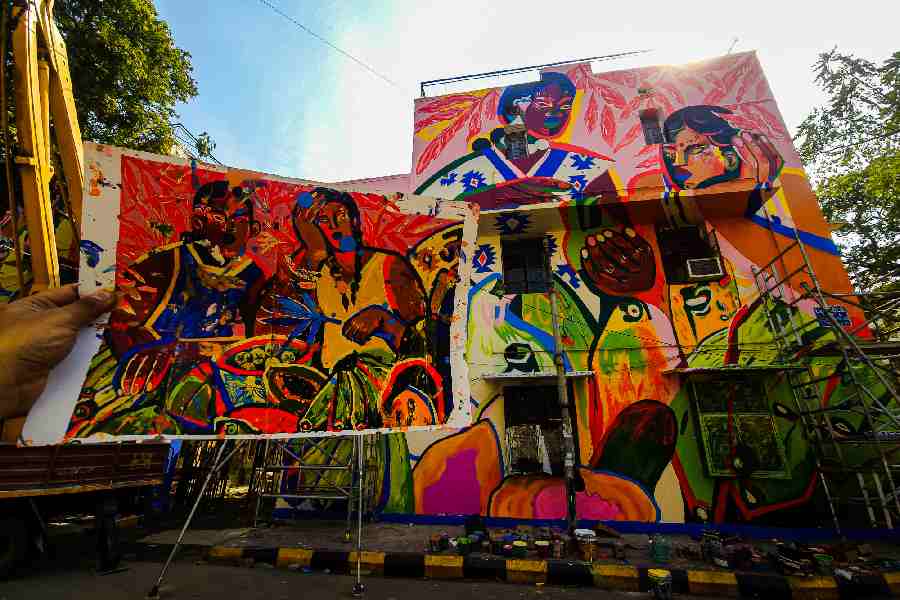
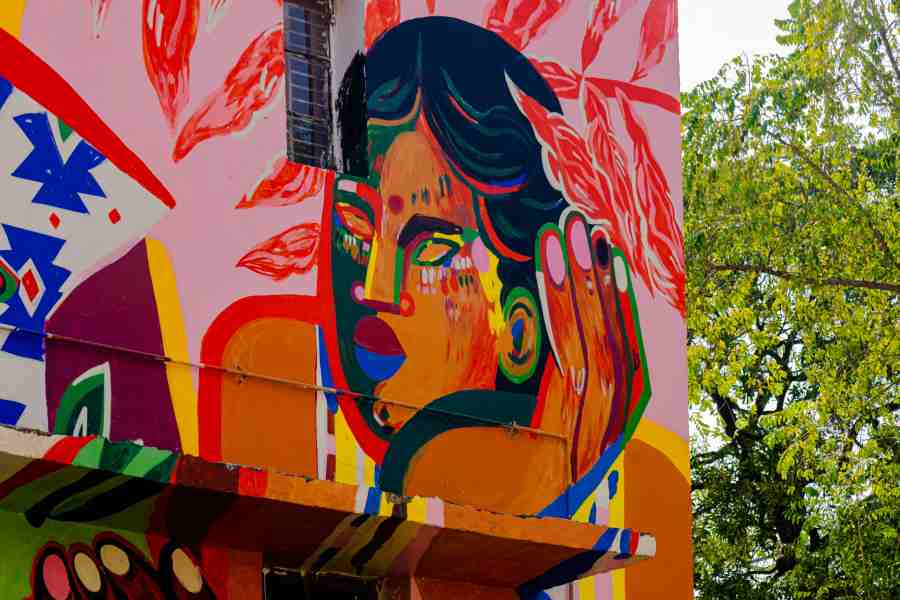
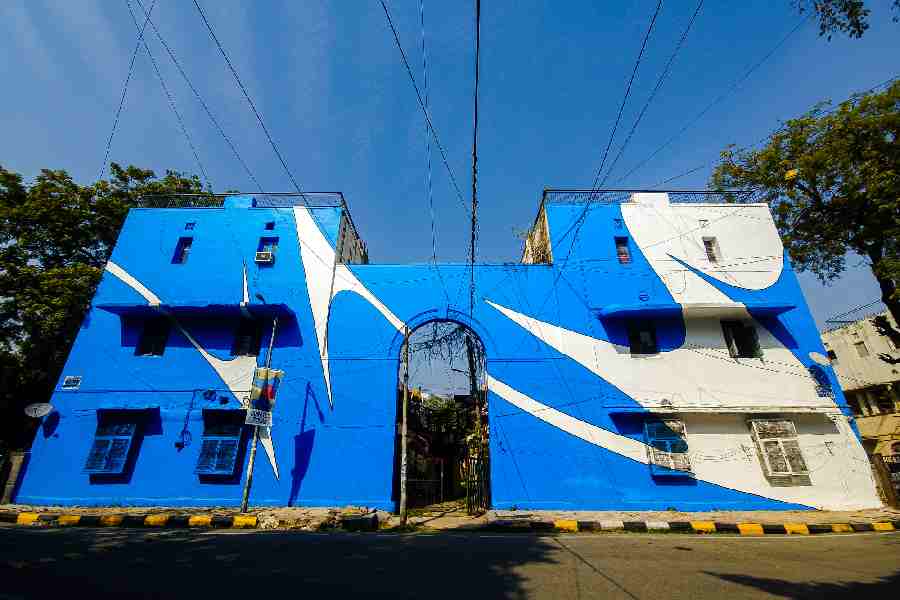
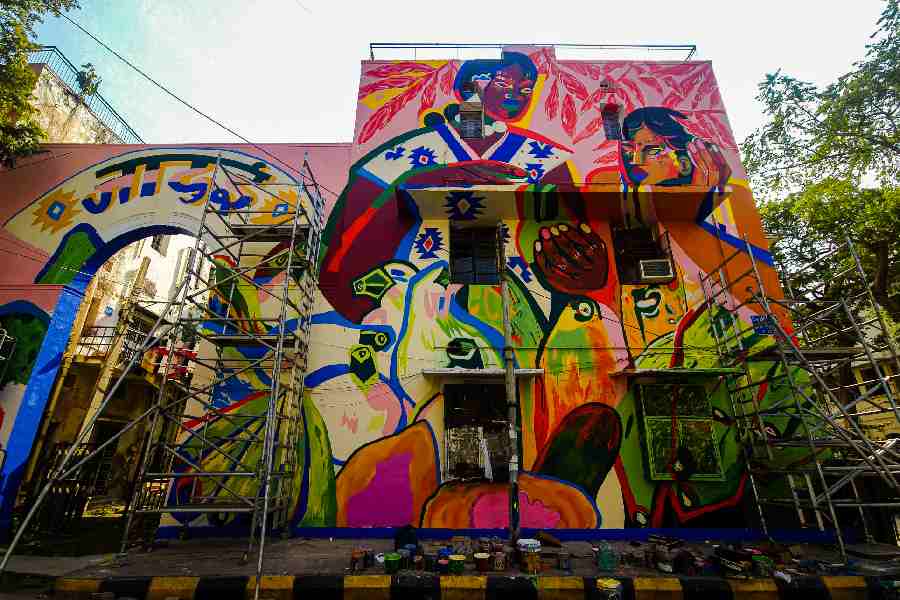
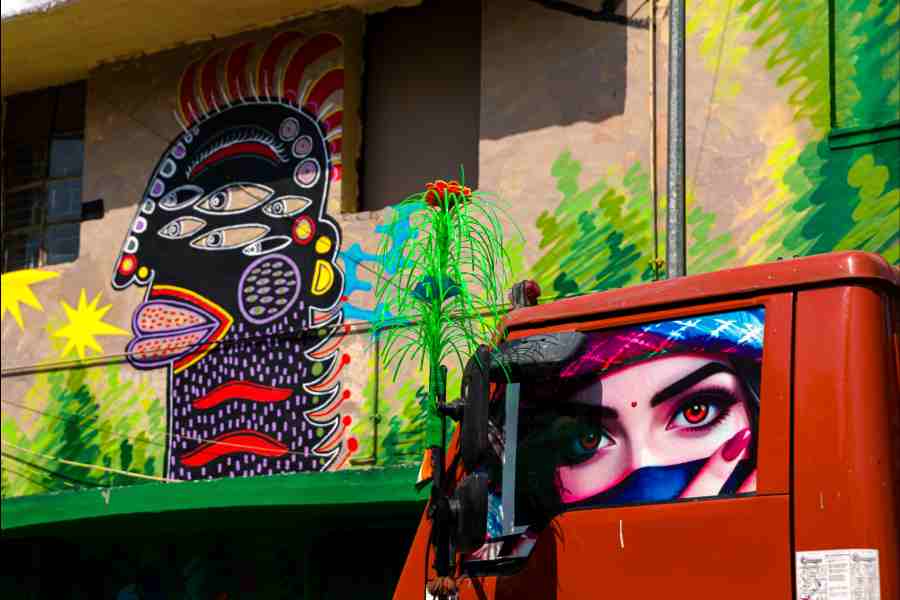
Imagine walking long corridors of walls with massive paintings on both sides in the center of the capital, similar to Fontainhas in Goa. What was once a dream for many artists became a reality in 2016 when the St+art Foundation took the initiative to transform the normal residential neighborhood of Lodhi into murals by Indian and foreign artists, resulting in India's first public art district.
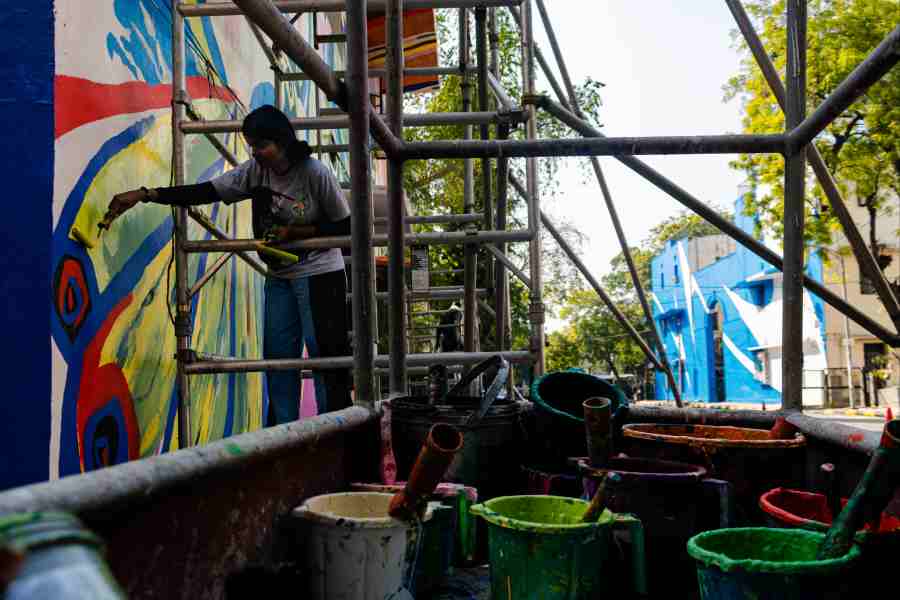
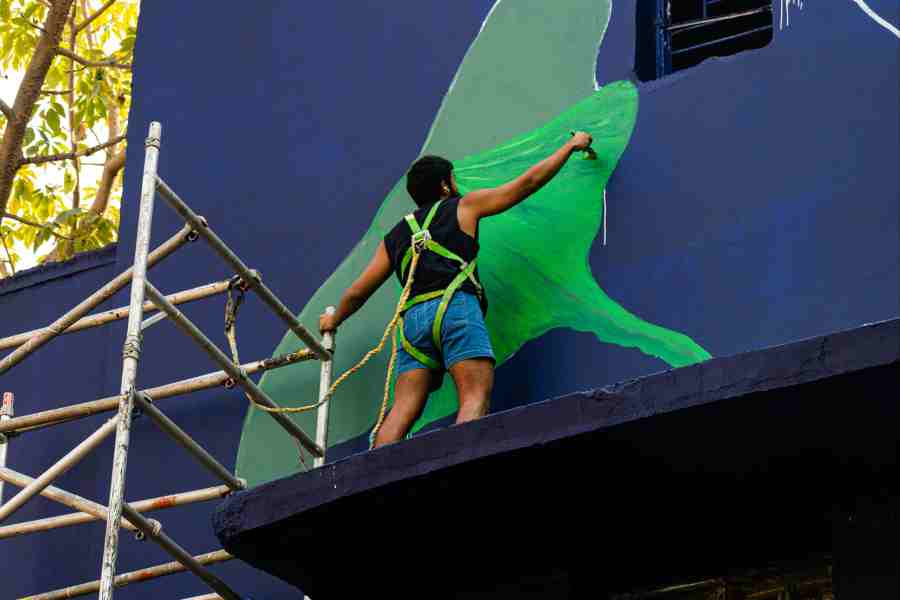
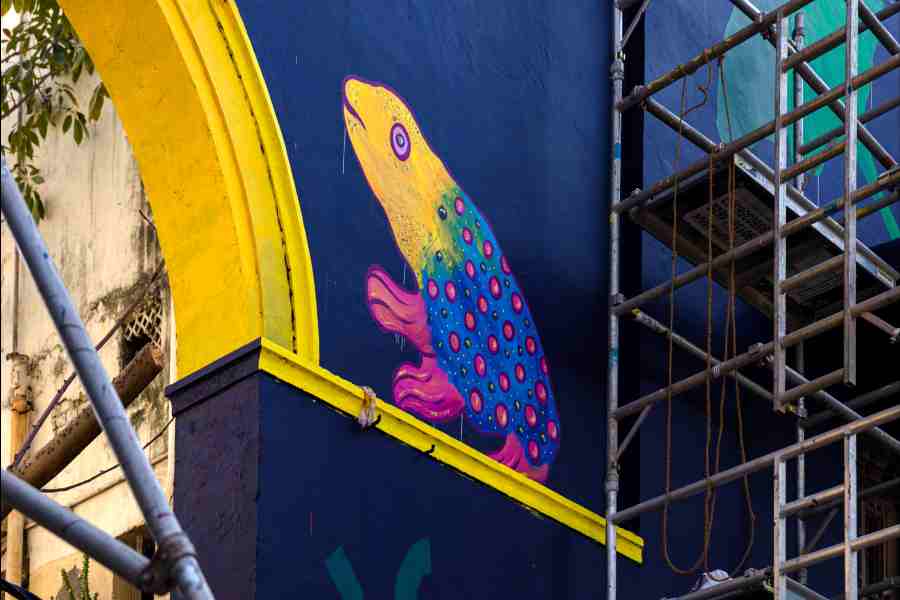
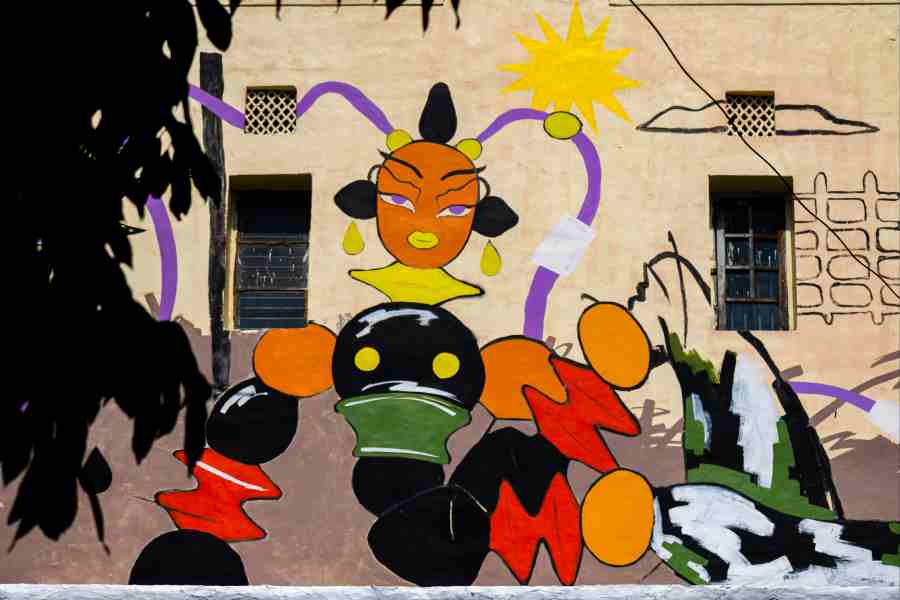
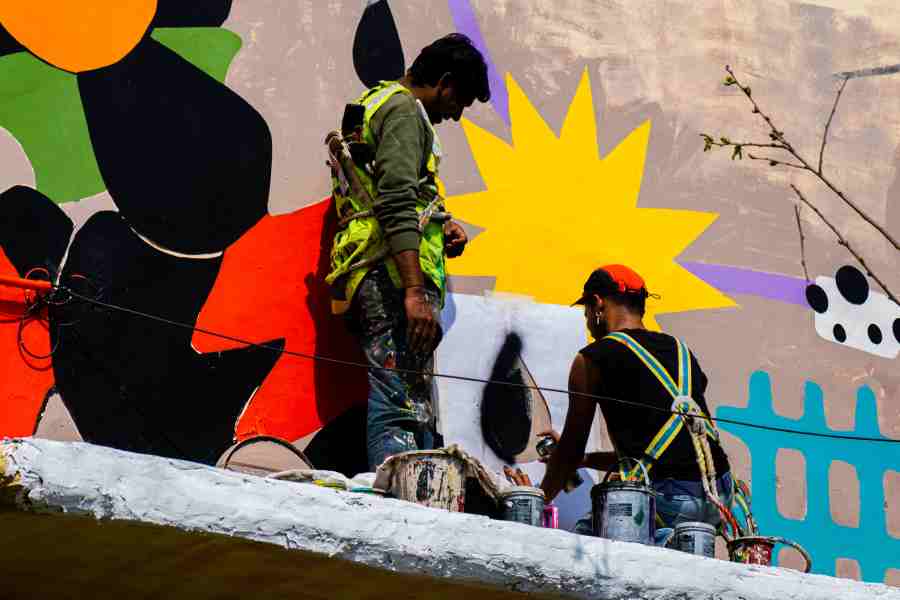
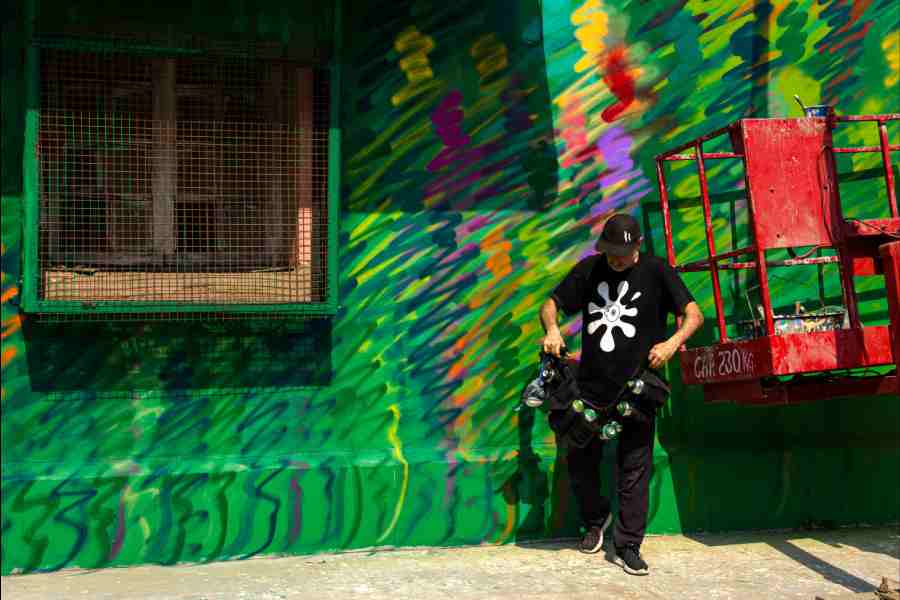
It's been ten years, and more than 65 murals have been added, transforming Lodhi into a living gallery that encourages public involvement and urban innovation, integrating art into everyday life rather than limiting it to galleries. Though many of the paintings have faded owing to weather and heat, the remaining blank walls will be repainted in 2026 with a blend of world and Indian art.
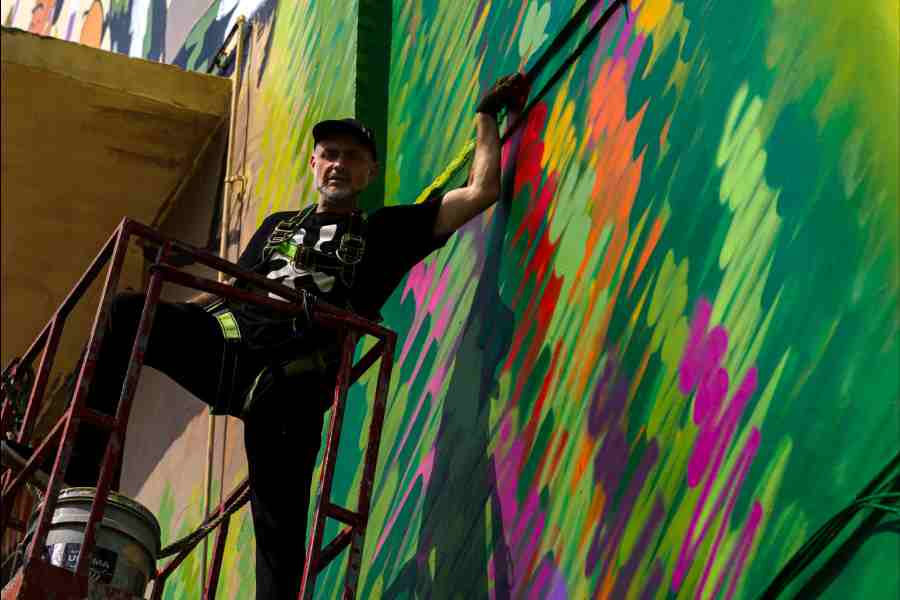
This year's theme is "Dilate All Art Spaces," meaning to break the boundaries and move into public forums or to bring art to the public. One can come across new murals painted by international artists like Elian Chali (Argentina), JuMu (Germany), Pener (Poland), and Suso (Madrid), along with Indian collaborators Tarini Sethi, Ishaan Bharat, Svabhu Kohli, and Ram Sangchoju.
Svabhu Kohli, a 36-year-old Goa native who has been doing art to rekindle optimism and wonder, believes that "in these complex times when the entire world is trying to exhaust you in many ways, art sort of fills the gaps to understand the world through empathy."
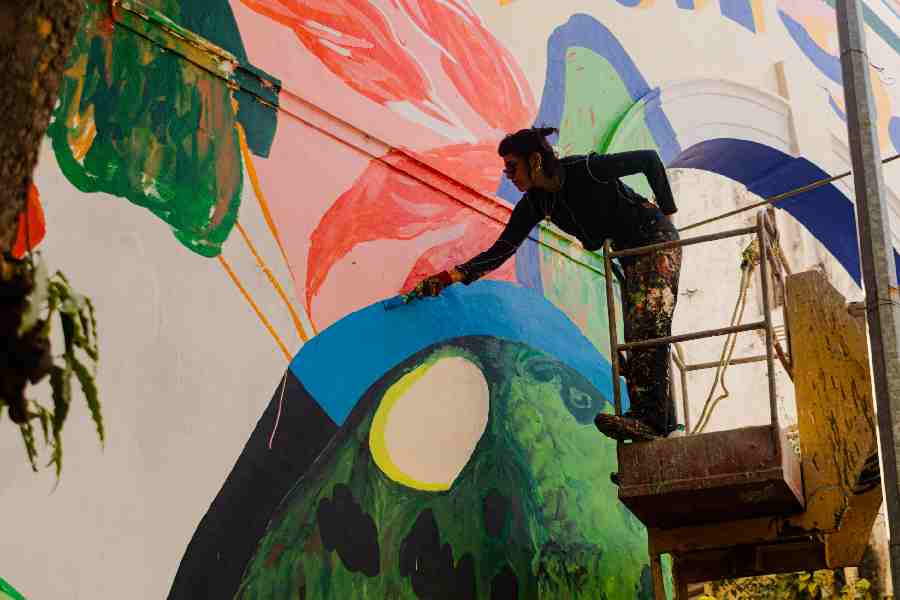
He utilises graffiti and murals to express deeply entrenched themes about the present. This time, he teamed with Ram, a 13-year-old special-abled child from Arunachal Pradesh who sees the world via a little window in his room that leads to the jungle. "Ram imagines what the forest has inside, and by mixing the cosmology of the Western Ghats and Arunachal Pradesh, we are trying to create a gigantic totem, which will remind us why relationship building with the natural world is important for us," Svabhu told The Telegraph Online.
The Lodhi Art Festival has transformed how art is perceived in public spaces, making it free and including residents in the artistic process, like Hanif Kureshi, a pioneering Indian street artist known by the graffiti moniker "Daku." Even after his death, his creative impact endures. Many modern mural painters have been influenced by Kureshi's work throughout the years.
Suso, a Madrid-based trans-disciplinary artist who has broken the barriers between visual and performance arts, has been interested in graffiti since childhood. He began by exploring issues of emotion and social justice before transitioning to the reclamation of public spaces for the marginalised.
At Lodhi Art Festival 2026, his first in India, he collaborated on a fusion mural with Tarini Sethi and Ishaan Bharat, blending Spanish graffiti with Indian motifs and noting how "you may speak different languages, but for art it is the same,".
Grateful for the warmth and support he received, he sees such exchanges as opening pathways for collaboration between Spanish and Indian artists. He says, "I like the process, not the final object and the city itself becomes both canvas and stage" . For him, cities may be large, but it is the people that bring them to life and color.
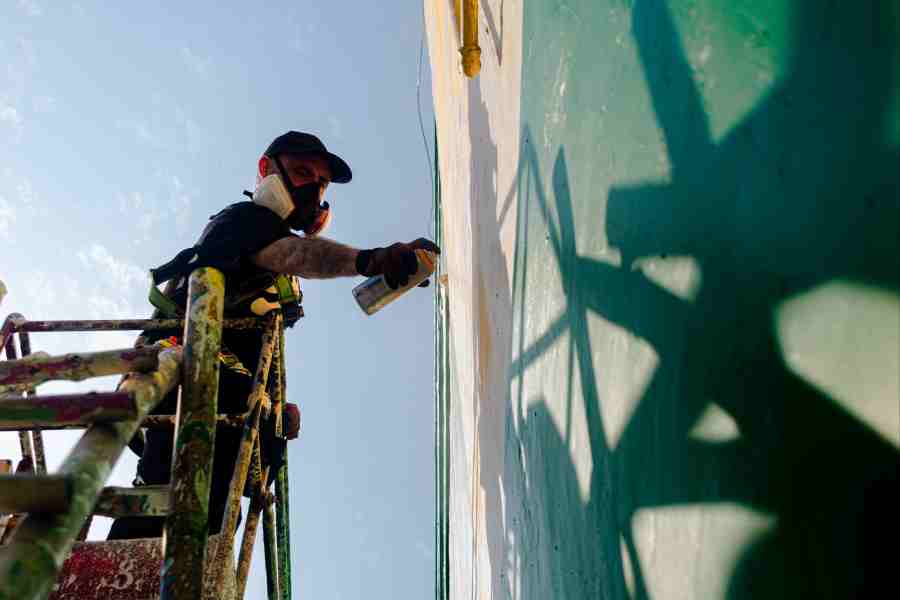
Creating large works of art in a public arena has its own set of obstacles, the most notable of which is maintenance. Even with the cooperation of numerous companies such as Asian Paints, the natural wear and tear caused by exposure to weather progressively fades the painting; therefore, economics and resources become a big factor in maintaining this type of art in open metropolitan centers.
With continuing evolution, the organisers see a more profound future for this type of urban art. From long-term engagement plans to preservation methods, they are attempting to establish similar art districts across India, which will not only integrate art into the public realm but will also create a distinct character for the city, allowing more artists worldwide to express themselves.