Monday, 06 July 2026
Monday, 06 July 2026
Monday, 06 July 2026
The Stranger Things happening in the fictional town of Hawkins which had captivated audiences across the globe for nearly a decade has now turned into the favourite campaign tool of Indian brands.
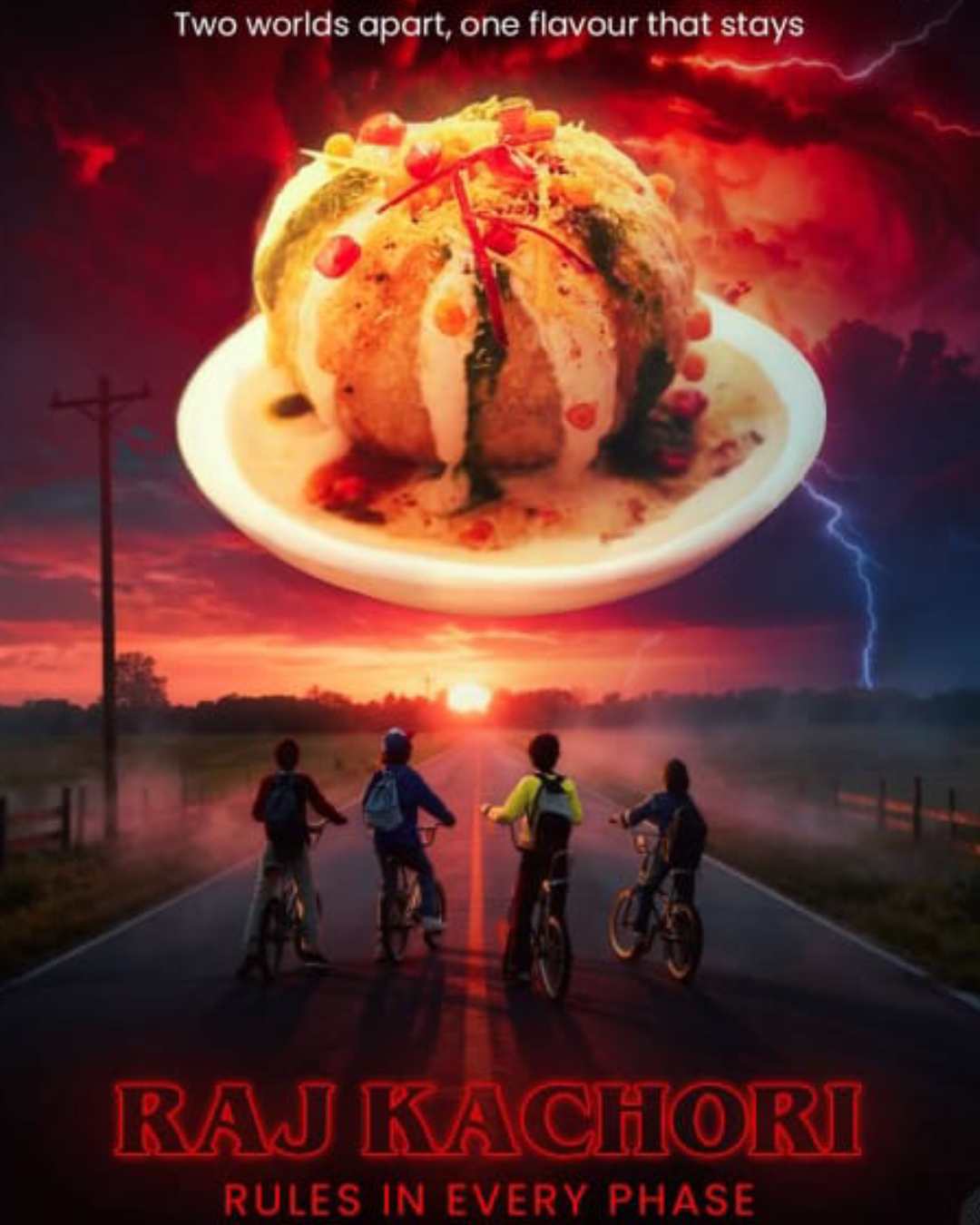
Since the first part of the fifth and final season landed on the streaming site Netflix on 27 November, fast food to fintech companies with some help from Artificial Intelligence have hopped on to the Stranger Things bandwagon to push their products with quirky, topical advertisements inspired by the show.
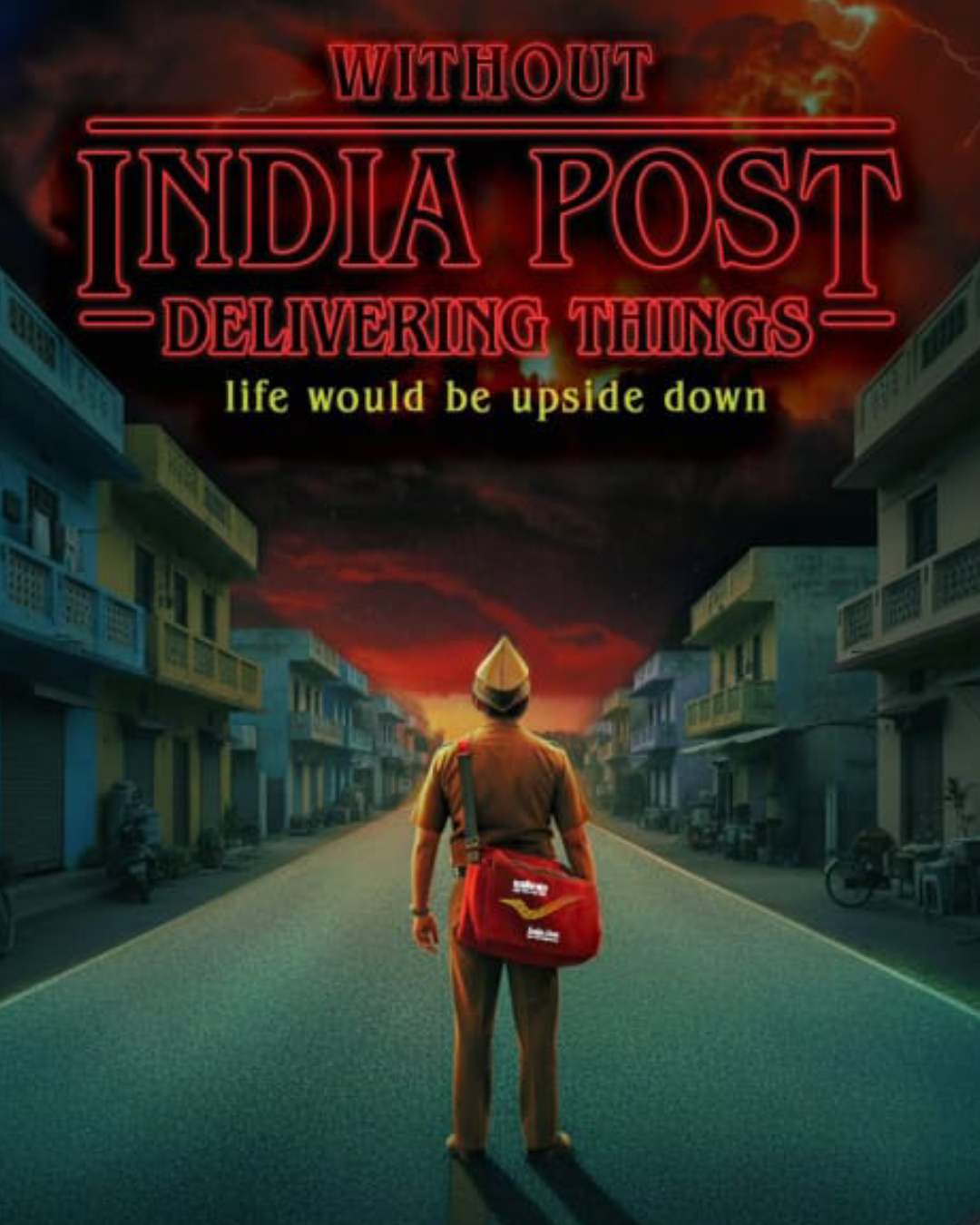
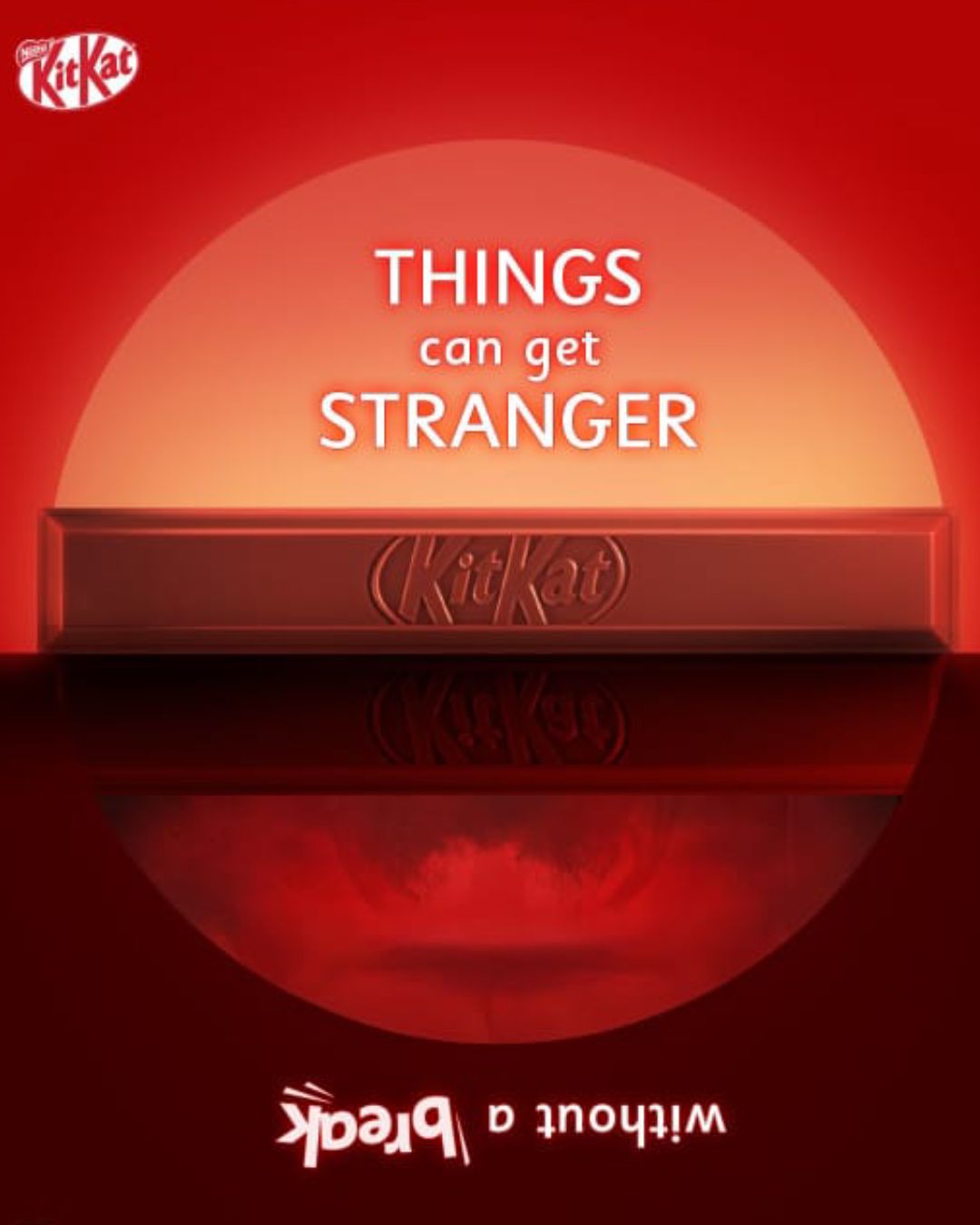
The unmistakable red neon titles and the creepy vines from the Stranger Things world are now prevalent in creatives shared by brands like Ambuja Cement, Haldiram’s Restaurant, Wow! Momo, Subway India, Parle-G, KitKat and IKEA.
Even government enterprises like India Post could not ignore the Stranger Things effect. Boroline, the staple anti-septic cream of every Bengali household, also hopped on the trend on Instagram.
This is not the first time this phenomenon has come to the fore. What was once started by Air India and later revolutionised by Amul has now turned into a full-fledged cultural phenomenon with Vecna, Mind Flayer and the Upside Down redefining the art of advertising.
To understand this pattern and whether it is meaningful for brands, The Telegraph Online reached out to advertising veteran Swapan Seth, one of India’s most prominent voices in the field.
Why brands are in a race to be topical
Seth believes that the secret lies in the impulse to be a part of whatever the world is buzzing about.
“I think all brands strive to be topical and therefore, if there is something that is of great interest to the public at large, brands would love to be a part of it,” the advertising professional said.
He compared the recent influx of Stranger Things-inspired advertisements to a long-standing Indian advertising strategy by Amul that has responded to almost every pop culture, entertainment and defining political moment for decades.
“When a brand becomes a commentator on all that's happening in society, it becomes a really interesting one,” Seth added, implying that trend-jacking is now an algorithm-driven strategy to remain a part of the conversation around trending topics.
Does jumping on the bandwagon really help?
Topical ads, whether witty, hand-drawn or AI-made as it is now, help keep brands remain connected culturally. But is the act of latching on to the train of trends on social media truly beneficial or does it only help in amplifying visibility? Seth has an answer.
“I think it's a function of both. I think it adds to visibility, it adds to the brand's relevance and to the consumer's interest in the brand,” Seth explained.
However, he pointed out that measuring the effectiveness of these topical ads is far more complicated than it was before. “In today's day and age of social media, effectiveness by itself is a bit strange in my estimation,” Seth said, highlighting that social media metrics cannot fully capture what these advertisements are designed to do.
“Effectiveness is now measured through performance marketing. But I don't think these ads or this kind of projection by brands can actually be measured through performance marketing,” Seth mentioned.
Trend-jacking isn’t always about outcomes. In today’s day and age, it is more about clickthroughs and building a brand narrative.
From Air India to Amul and now AI
The concept of topical advertisements has undergone a massive evolution over the years. Seth, who received his first Cannes award at the age of 22, noted that Air India and Amul have been great commentators of this style of advertising since their inception.
Amul launched its topical ads in 1966 through Sylvester daCunha’s ASP agency, creating their mascot, the Amul Girl, to counter the dull image of a rival. Using witty, hand-painted billboards, the brand delivered quick commentary on current events.
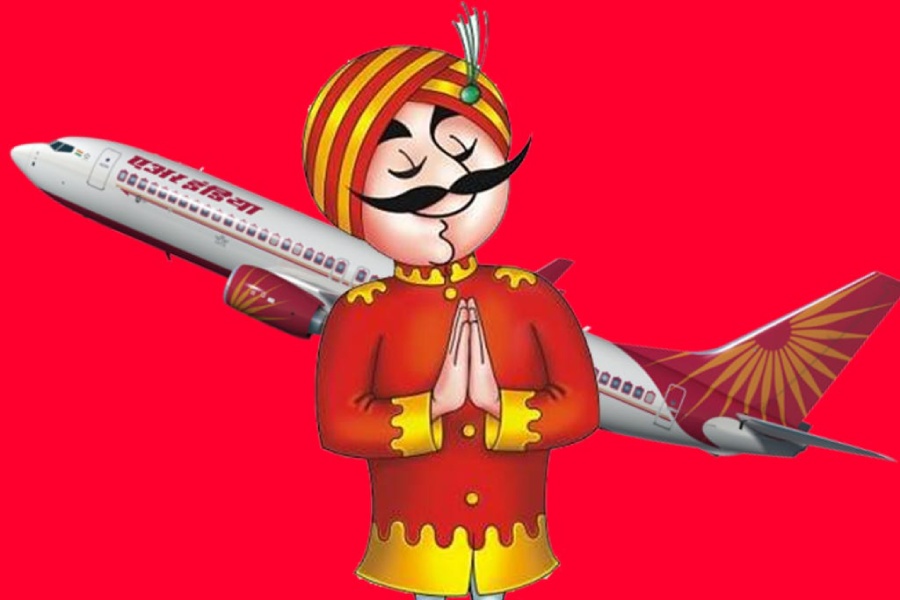
Air India’s Maharajah, on the other hand, arrived a long time back during pre-Independent India in 1946. Created by Bobby Kooka (commercial director) and Umesh Rao (artist), the portly, turbaned figure with a whimsical mustache aimed to represent Indian hospitality.
Like the mischievous Amul Girl that would go on to define topical ads in the future, even in the current age of AI, the Maharajah was used in witty advertisements and cartoons, often appearing in different guises like that of a chef or a king.
While several brands chose to acknowledge cultural moments and trends occasionally, none have maintained the consistent and traditional style that Amul does, Seth said.
Most of the Stranger Things-related advertisements doing the rounds on social media are AI-generated. With the rise of AI content in the creative space, everything has changed, the advertising legend added.
“AI has changed everything. These are all AI-generated pieces now. It may be different execution-wise, but that doesn’t take away from the main message of the communication,” Seth said with an optimistic tone, adding that the crux of the message continues to remain relevant even in this technologically-advanced age.
Every brand has a life, and relevance is the soul
Like humans, brands too have a life, Seth said. However, whether these advertisements generate long-term brand value is still up for debate.
But at this point in time, these posts are crucial as they make the brand visible, relevant and part of the ongoing conversation. “Every brand is a life in itself. Therefore, if it can be a part of daily life, then it makes the brand much more interesting and relevant,” he signed off.
In the age of social media, where people are more prone to scroll than notice billboards on the streets or ads on television, staying relevant is everything.