Monday, 25 May 2026
Monday, 25 May 2026
Monday, 25 May 2026
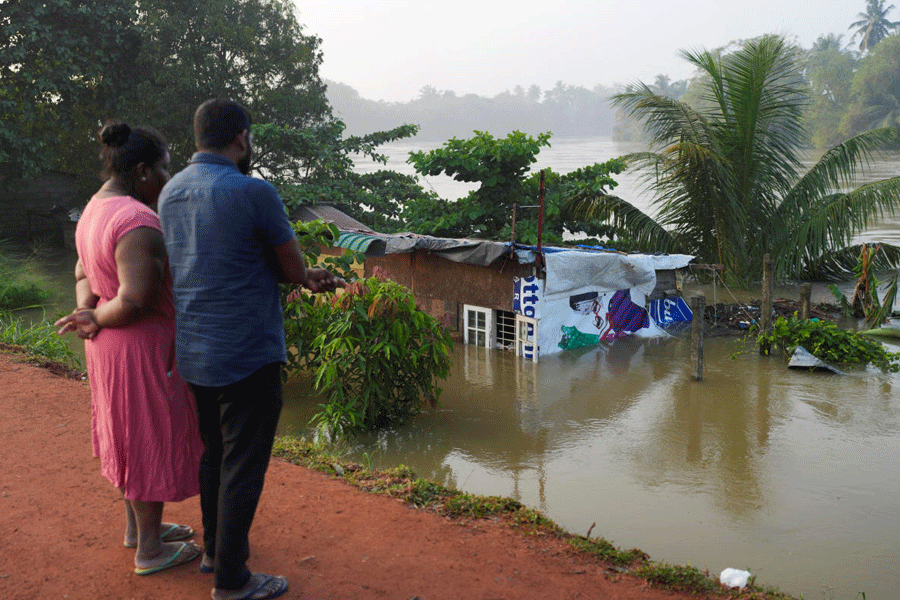
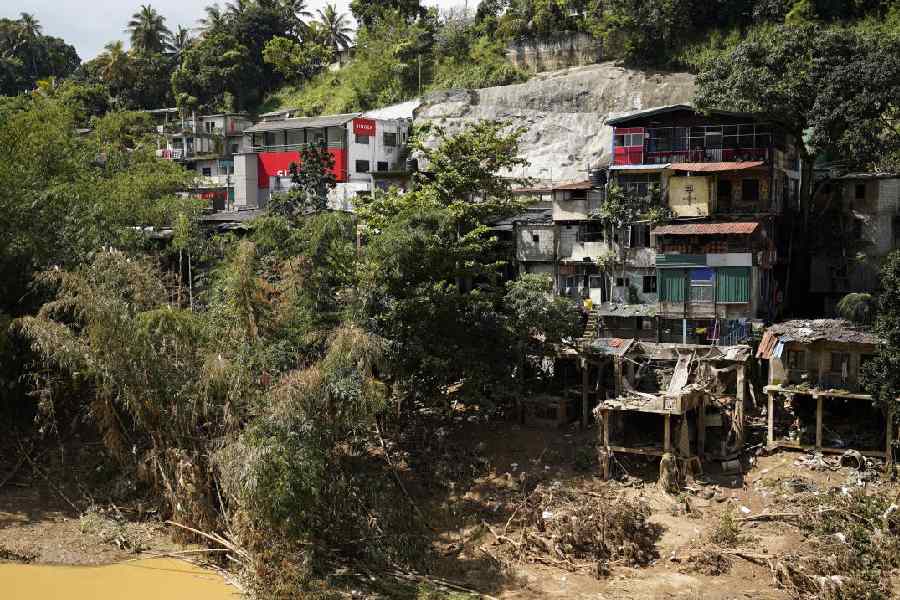
Sri Lanka’s tourism sector is facing severe disruption after Cyclone Ditwah tore through the island, unleashing floods, landslides and system-wide infrastructure failures that have cut off access to major destinations and stalled travel across the country.
The cyclone struck at the height of the country’s peak travel season, leaving the industry — a critical pillar of Sri Lanka’s economy — scrambling.
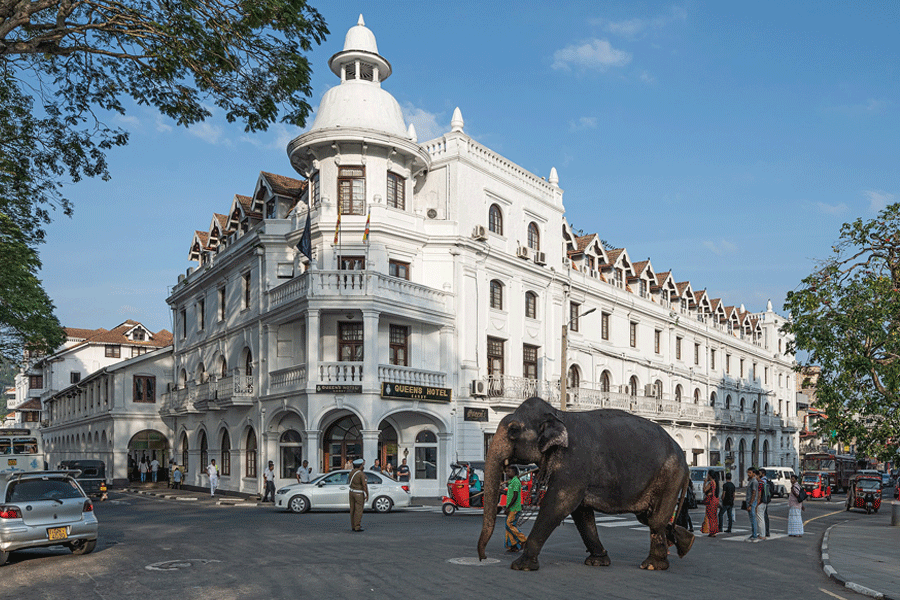
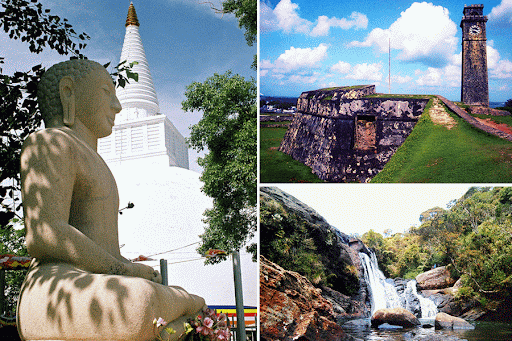
Colombo, Kandy, Galle and stretches of the Cultural Triangle were all affected, with some routes rendered temporarily inaccessible.
Hotels and small businesses that depend almost entirely on tourist arrivals reported cancellations and logistical breakdowns as roads washed out and power grids failed.
"Despite the temporary disruptions caused by Cyclone Ditwah, I am immensely proud of how swiftly and safely our teams restored full operations. Our focus now is twofold, continuing to support the communities around us as they rebuild, and ensuring the comfort and wellbeing of every guest who places their trust in us. The warmth and resilience of Sri Lanka’s hospitality remain unchanged, and all our properties are fully operational and ready to warmly welcome Indian travellers this holiday season," CEO Hishan Singhawansa of Cinnamon Hotels & Resorts told The Telegraph Online.
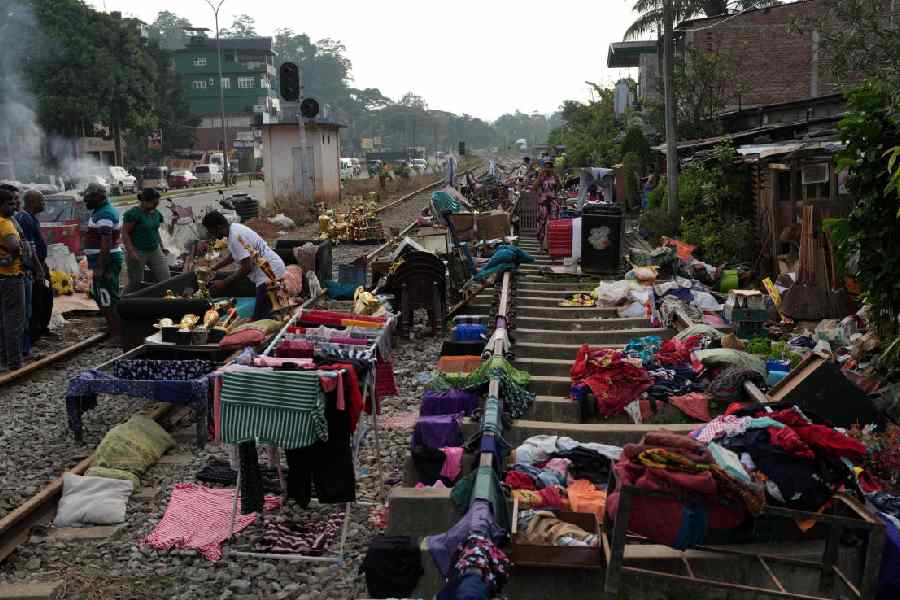
Officials acknowledged that the recovery would be uneven. With bridges collapsed, rail routes blocked and mobile connectivity patchy in several provinces, the movement of tourists and supplies has slowed sharply.
Dimuthu Tennakoon, head of commercial at Sri Lankan Airlines told The Telegraph Online that, “December and January are among the best months to visit Sri Lanka, with ideal weather for beach vacations and exploring the Cultural Triangle. It is also peak wildlife season, offering excellent opportunities for blue whale watching in Mirissa, alongside the colourful festive atmosphere in Colombo. Our teams are fully prepared to support travellers with consistent, convenient service, whether they are planning a short getaway or longer stay.”
The disaster has also raised concern among tour operators who were only beginning to see steady traffic after years of economic and political instability.
November to January are usually the busiest season for Herath Gedara Rohan Anil Kumara’s three-bedroom homestay in Sri Lanka’s hill country, famed for its tea plantations, historic sites and quaint villages.
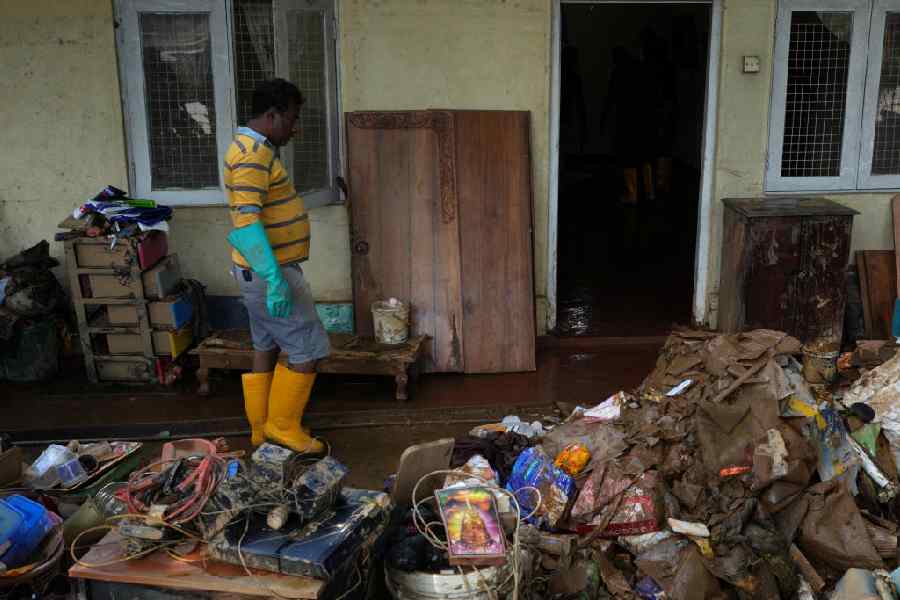
But after Cyclone Ditwah tore through the island last week, killing nearly 500 people, Kumara now finds himself in a relief centre, uncertain when he can rebuild his business.
His now-damaged house used to earn him more than $30 a night, enough to support his family, but the 37-year-old has been forced to cancel all bookings for December and January.
"I’m still getting inquiries, but we can’t accept them," Kumara said from the Kithulbedda relief centre, where he moved with his family of six last Friday. "I don’t know when we will be able to rebuild and return to normal."
His story underscores the vulnerability of small operators who form the backbone of Sri Lanka’s tourism industry, the country’s third-largest foreign exchange earner after remittances and apparel, amounting to 4% of GDP.
Widespread Damage
A revival in tourism has helped Sri Lanka recover from its debilitating economic crisis, which peaked in 2022, but the extensive damage caused by Cyclone Ditwah has been a setback.
It has affected nearly 10% of Sri Lanka's 22 million population, damaged or destroyed thousands of houses and killed at least 486, with hundreds still missing.
The cyclone also hit roads, power lines, and telecom networks, alongside significant losses to agriculture.
The Hotels Association of Sri Lanka, however, is hopeful of a fast recovery because cancellations have remained low at about 1%, said association president Asoka Hettigoda.
"Hotels across the island are operational," he told Reuters. "Even in Kandy and Nuwara Eliya (among the worst-affected areas), tourists are safe and enjoying their stay, though access is still difficult due to blocked roads."
Tourist arrivals crossed two million by mid-November, and the government hopes to reach 2.6 million by the end of the year, the highest since the COVID-19 pandemic, driven by visitors from India, Russia, Germany, France, and the UK.
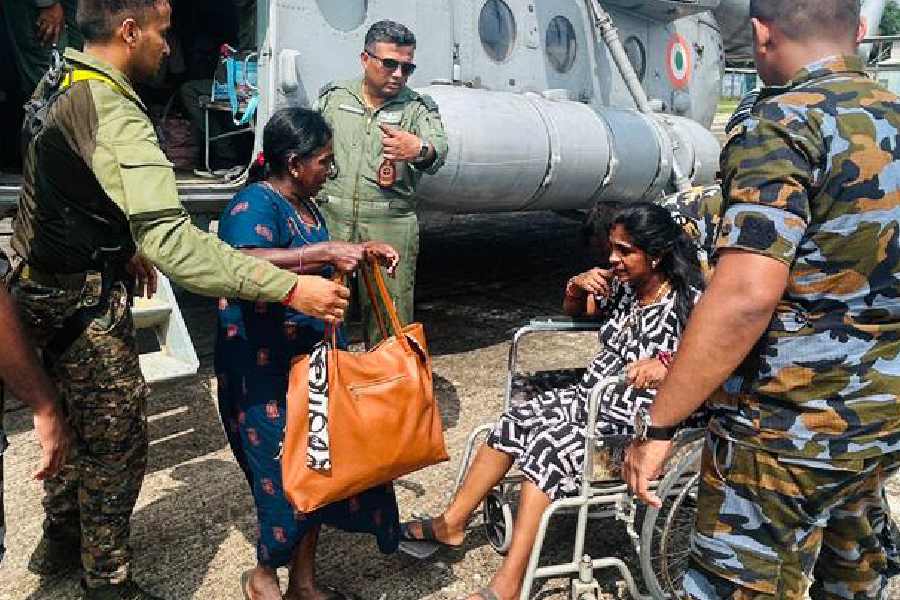
Authorities have airlifted stranded tourists, waived fees for overstaying visas, and allowed free flight rescheduling. The industry is also pushing for an expanded visa-free programme and launching social media campaigns to reassure travellers. Tour guides have adjusted itineraries to avoid the worst-hit areas.