UK-based actor Purab Kohli, who plays the character of a tiresome professor in "The Great Shamsuddin Family", has been basking in the praise being heaped on the recently released family drama.
Written and directed by Anusha Rizvi, the film premiered on JioHotstar last month and is primed for wider international release this year as its layered and light-hearted take on familial tugs of war continues to make OTT waves. Kohli, known for standout performances in "My Brother...Nikhil" and "Rock On", felt instantly drawn to the character of Amitav in Rizvi’s script and has been gratified by the film’s steady word-of-mouth impact.
“It's been quite lovely and I'm pretty certain a film like ‘The Great Shamsuddin Family’, 20 years from now, people will still be talking about it," said Kohli, during an interview with PTI in London.
“As they do more deals internationally, this will be appreciated and seen by people worldwide on other platforms. So, I think this film has got that long lifespan, which will go on, and people will watch, and I am actually quite proud to be associated with projects like that,” he said.
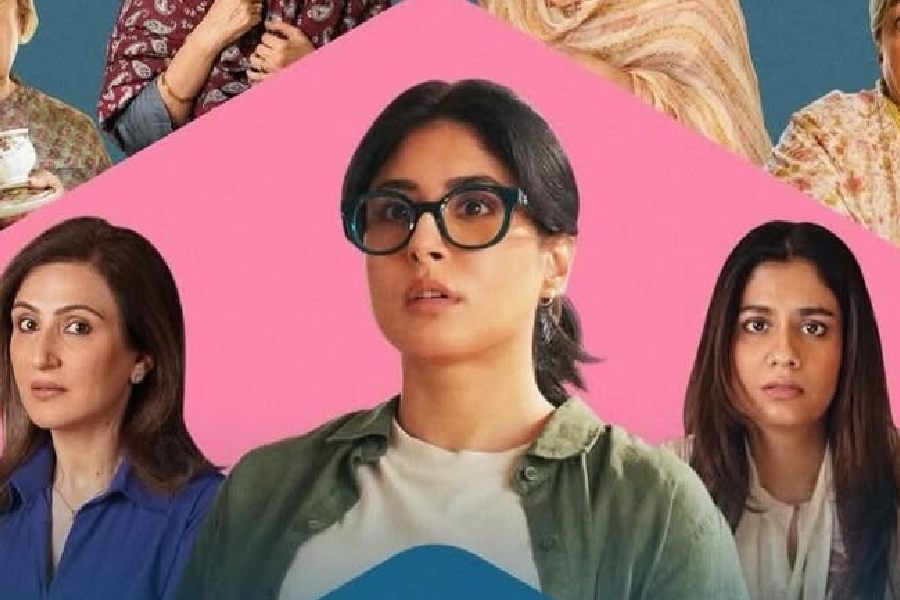
Set over the span of one day in the Delhi home of Bani Ahmad, portrayed by actor Kritika Kamra, the film captures the chaos that unfolds when troublesome siblings and spirited matriarchs clash. The ostensibly simple storyline tackles a range of profound subjects with a characteristically light touch associated with the Delhi-based filmmaker behind the acclaimed 2010 satire "Peepli Live".
“It was one of those scripts that I couldn't put down. I read it at one go and loved it," recalls Kohli, who plays Bani's buddy in the film.
“I think Amitav is that annoying friend that everybody has. You love him, but he's annoying, extremely so. But there's also some sort of dependability and support that he offers. I think that makes him quite relatable, in that sense, in a family setup," he reflects.
In a film packed with very strong female roles, portrayed on screen by the likes of Farida Jalal, Sheeba Chaddha, Juhi Babbar and Shreya Dhanwanthary, Kohli believes he has one of the “luckiest” of the handful of male characters.
“He's more of a fly on the wall, watching what's going on. And at the end of the day, he has the profound voice that kind of settles Bani because she knows he won’t bullshit her,” he notes.
Shot within a family home set-up and packed with several laugh-out-loud scenes, the actor shares that the shooting process last year was enhanced by that easy banter which then translated onto the screen. “Sometimes you watch a film and you see that some people are much better than the other, but in this film everybody is amazing. It really sets a benchmark of what a film can be. Everybody is delivering a performance at that certain level,” shares Kohli.
Based in London since 2018 with his wife and children, the talented Mumbai artist has become increasingly selective about the acting roles that he takes on as he focuses the bulk of his time on writing and producing varied projects.
“Right now, because I'm focusing on the writing, I'm very clear I will do only (acting) projects that I'm feeling creatively satisfied by. It's not about the money. I've kept money making on hold for now... I’ve been lucky to have made enough. And now, the focus is on making sure I'm creatively saying what I want to say and put that out there," he said.
"Putul" and "Ahuti" are among his next films set for release in 2026, a year he has set aside for his writing projects to gain momentum as he also explores a gap in the market for stories about first-generation Indians living in the UK.
“The talk about immigrant populations is in very negative ways nowadays. But that immigrant population is the working population in the UK and so many of them being Indian or South Asian understand film. They are not being represented in the film business over here today.
“There's a gap there in the market for even providing entertainment for them. Their stories are not being told, which is a driving force for me as a writer,” he said.
Except for the headline, this story has not been edited by The Telegraph Online staff and has been published from a syndicated feed.