It was the month of September in 2020, a year we would all want to forget, thanks to the pandemic, when Enola Holmes, a sprightly female sleuth, took over the OTT screens. The first movie of the Enola Holmes franchise, based on the nine-volume series of mystery novels by Nancy Springer, made us instantly fall in love with the teenage sleuth who discovers her calling as a detective on a quest to find her missing mother. After the huge success of the first movie and its November 2022 sequel, Enola’s adventures continue in the third instalment of the franchise. While you get your popcorn tub ready to catch the movie that released on Netflix yesterday, t2 recounts how the Enola Holmes films gave a fresh, entertaining spin to Victorian history and fiction.
The cast and characters
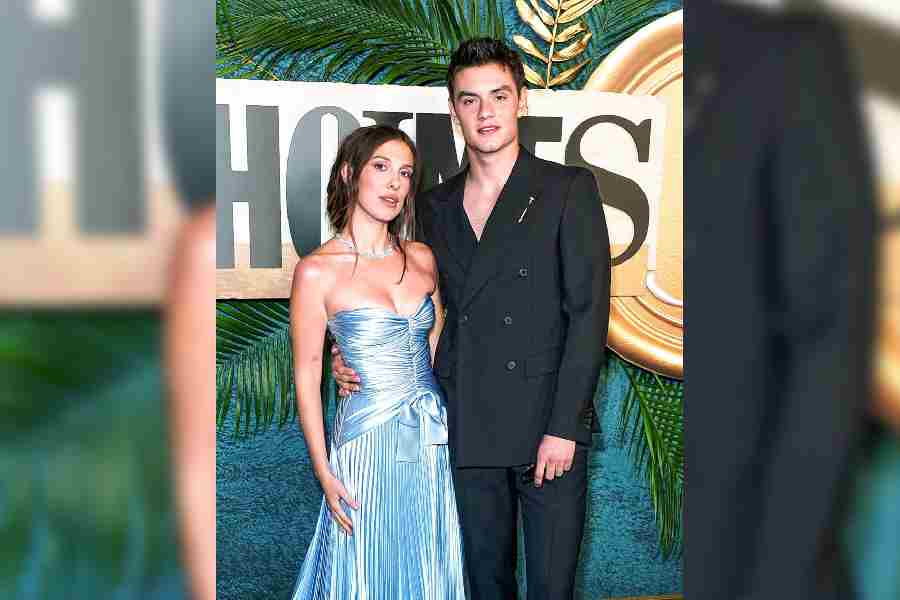
While there are a few familiar characters from Conan Doyle’s original Holmes stories in Springer’s spinoff, most of them have been added as a fictional extension of the original works of the Victorian author. The Netflix adaptation brings a stellar cast as supporting characters, including Harry Potter famed actor Helena Bonham Carter as Eudoria, the sharp-witted mother of Mycroft, Sherlock and Enola Holmes; and former DC Studios leading man Henry Cavill as the legendary Sherlock himself. Millie Bobby Brown, who played one of the protagonists in the Netflix fantasy phenomenon Stranger Things, stars in the titular role of Enola. The charming Louis Partridge, who went from child actor to television teen, plays Lord Viscount Tewkesbury, Marquess of Basilwether, Enola’s runaway friend and later, her love interest.
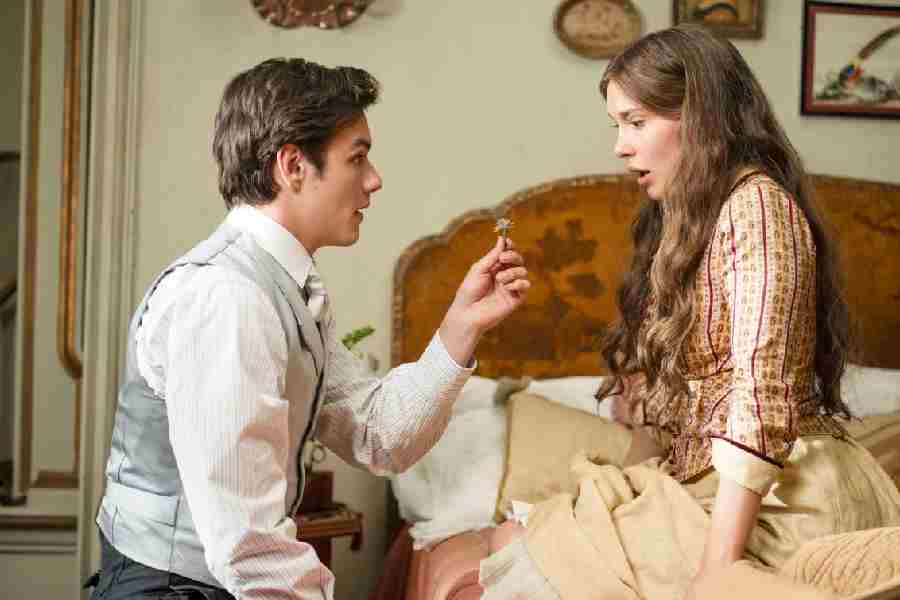
Tewkesbury’s marriage proposal to Enola is a highlight of the third film in the franchise
There is not much to add to Victorian world-creation in Hollywood, for the iconic era has been elaborately utilised and re-utilised in many major films and series. But the chemistry between the cast members, and the reimagined world around one of the most famous detectives in English fiction, adds a welcome dose of freshness to the franchise. While Sherlock is the quintessential Victorian patriarchal figure, armed with cane, hat and long coat, Enola is everything a Victorian lady is not. She runs helter-skelter on respectable streets, indulges in cross-dressing to conceal herself, and does not care a dime about ladylike manners.
Helena Bonham Carter’s Eudoria is a feminist icon for all eras, with her intellectual brilliance as well as political activism. Louis Partridge’s Tewkesbury is an unconventional aristocrat who dodges his tradtional fate as a future administrator by escaping his family. Millie and Louis, still in their teens when the first Enola movie was filmed, give commendable performances considering their experience, and their banter-filled friendship that soon turns into love, has been unforgettable for fans.
The Conan Doyle world, through a feminist lens
The Netflix adaptations of Nancy Springer’s book series place Enola, the 16 year-old sister of Sherlock Holmes, as the first-person narrator, as we see the Victorian plot unfold through the eyes of a teenage girl. Those conversant in Victorian fiction would instantly realise the gravity of this decision, for women in the era have been behind literal as well as metaphorical veils while the Oliver Twists and Philip Pirrips have taken over patriarchal narratives. Enola Holmes takes you on a virtual tour through Victorian England from the point of view of a teenage girl. Eudoria, her activist mother, is another fictional icon involved in the women’s suffrage movement, one of the pioneering feminist initiatives in history.
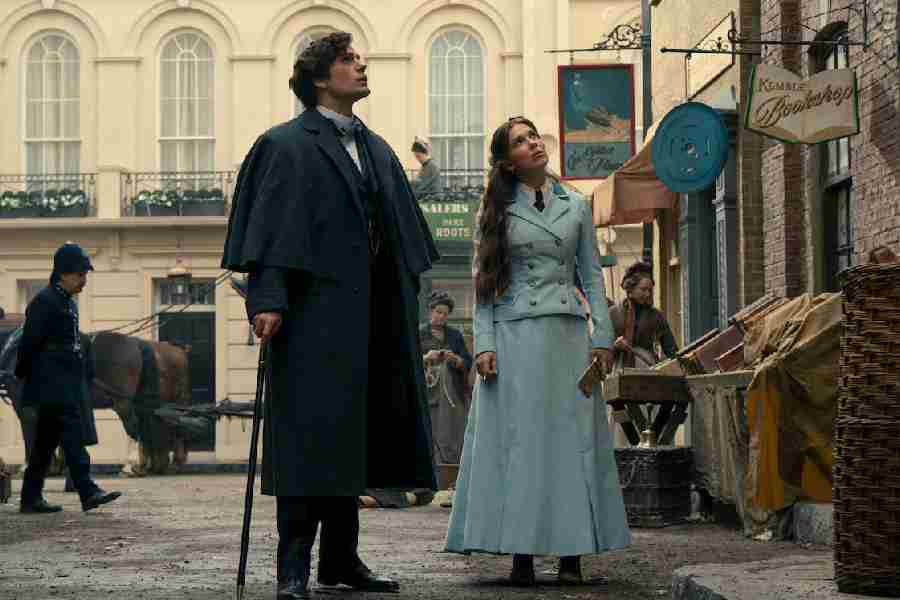
Henry Cavill (left) plays the legendary detective Sherlock Holmes, Enola’s elder brother, in the film
The sequel to the first movie heavily draws on the July 1888 Matchgirls’ Strike in London’s Bryant & May match factory, led by over 1,400 female labourers who protested against severe health hazards at work. Enola, now having opened her own detective agency, digs into the mysterious disappearance of a girl who used to work at a match factory based on Bryant & May. Both Sherlock and Enola get involved in the case, and investigate murders, deadly factory chemicals and a huge corporate conspiracy. The movie ends with a cameo from Sharon Duncan-Brewster as Moriarty, the originally male antagonist to Sherlock Holmes created by Conan Doyle.
Modern love in Victorian times
The chemistry between Tewkesbury and Enola is perhaps the most unforgettable thing about the franchise, and the series of fan edits with the pair on social feeds do not lie. Millie and Louis, just one year apart in age, are very good friends off screen as well, and they never fail to entertain fans every time they sit for an interview together. The vibes between the two leads also rub off onto the chemistry between their characters.
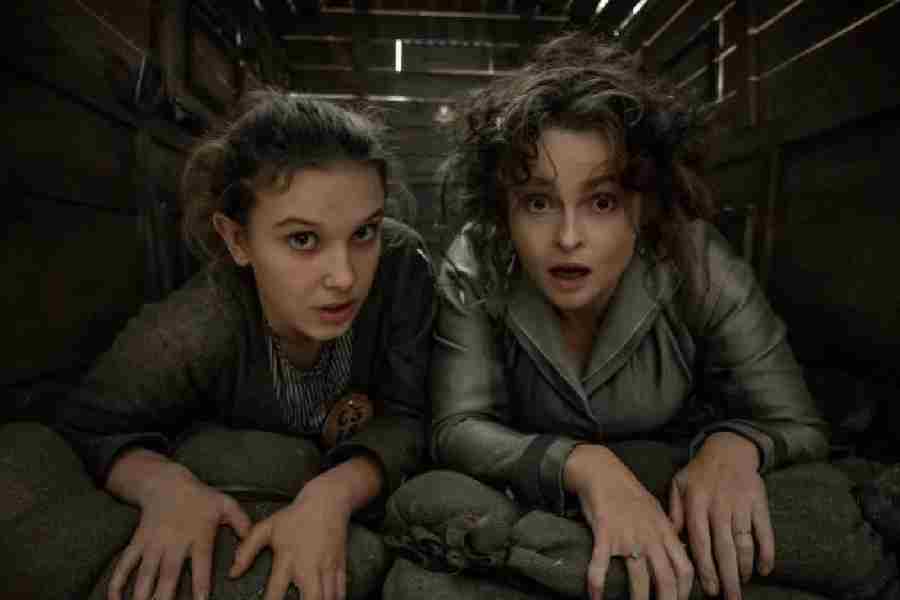
Helena Bonham Carter (right) plays the sharp-witted Eudoria, the mother of Sherlock and Enola Holmes
When Enola first stumbles upon Tewkesbury on a train ride, the quizzical expressions of the two as they learn about each other’s eventful lives lend much humour. Their secret escapade through picturesque country backdrops, together with the slow-burn butterflies that begin as the two start feeling the spark, makes for a heartwarming watch.
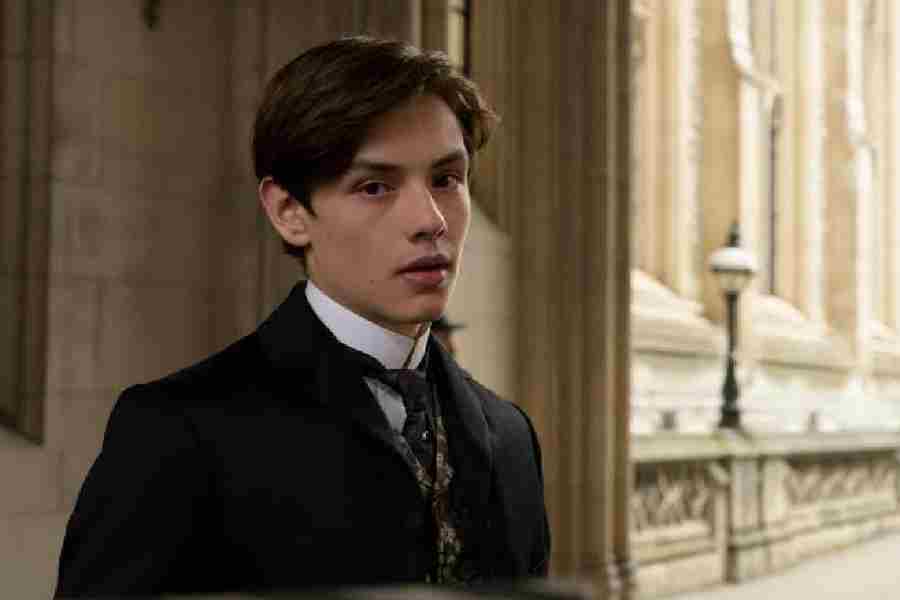
Louis Partridge plays the quirky aristocrat Tewkesbury
Because Victorian romance is traditionally associated with formal courtships and closeted feelings, the gradually developing relationship of Enola and Tewkesbury from banter to romance makes the period plot a little more relatable to modern audiences. The teenage love story brings a lot of freshness to the otherwise sombre plots in both movies, and fans are already beyond excited about the storyline around their wedding in the third instalment of the franchise.