Monday, 01 June 2026
Monday, 01 June 2026
Monday, 01 June 2026
A feature film about the infamous USD 100 million Louvre Museum heist is officially in the works, with French filmmaker Romain Gavras set to direct. The movie will retell the astonishing true story of October 19, 2025, when two thieves shattered a window, smashed display cases and escaped with historic French crown jewels in less than seven minutes during a brazen daylight robbery.
While audiences wait for the film, fans of high-stakes art thefts can dive into season two of Berlin on Netflix. The latest chapter revolves around the theft of Leonardo da Vinci’s iconic 15th century oil painting Lady with an Ermine — but beyond its slick, meticulously planned heists lies something even more fascinating.
Episode 3 of the Money Heist prequel alludes to some of history’s most baffling art crimes, showcasing priceless masterpieces that vanished without a trace. Worth hundreds of millions today, these paintings were stolen in circumstances so audacious and mysterious that even the most skilled investigators, including the FBI, failed to recover them.
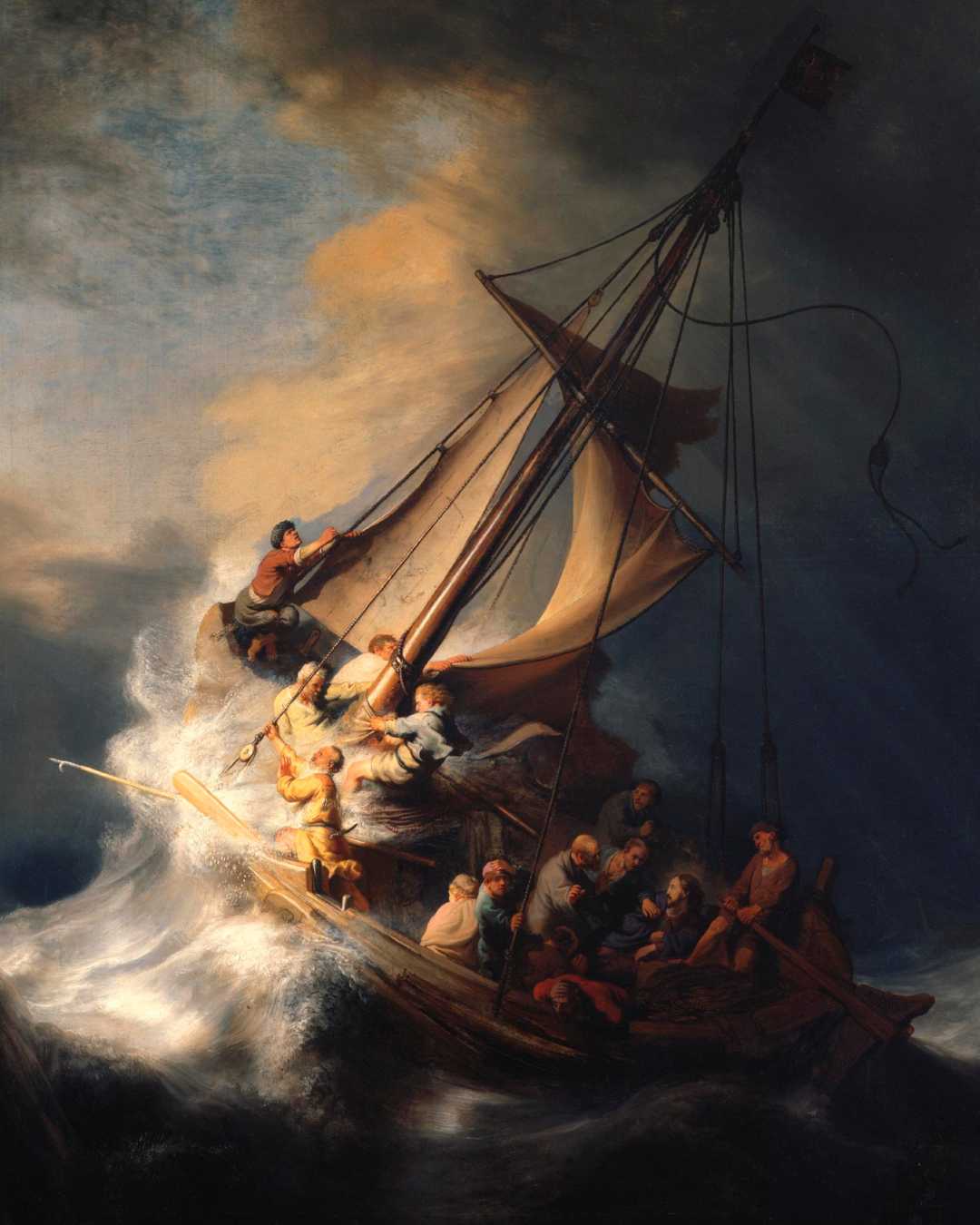
Christ in the Storm on the Sea of Galilee, 1633
This dramatic biblical scene holds a unique place in the career of Dutch master Rembrandt. Of the more than 600 works he created, it is the only seascape he ever painted, according to the official website of the Isabella Stewart Gardner Museum, from which it was stolen in 1990.
Created shortly after Rembrandt moved from Leiden to Amsterdam, the painting depicts a violent storm and panic-stricken disciples struggling for survival. Amid the chaos, only Christ remains calm, standing as the eye of the storm.
The masterpiece was stolen from the Isabella Stewart Gardner Museum in Boston, Massachusetts, in one of history's largest and most astonishing art heists. According to a 2024 New York Times report, in the early hours of March 18, 1990, two men disguised as police officers entered the Boston museum and made off with an estimated USD 500 million worth of art, including a rare Vermeer and three Rembrandt paintings.
More than three decades later, none of the stolen works have been recovered, despite a USD 10 million (Rs 94.88 crore) reward and years of investigation by the local police, federal agents, amateur sleuths and journalists.
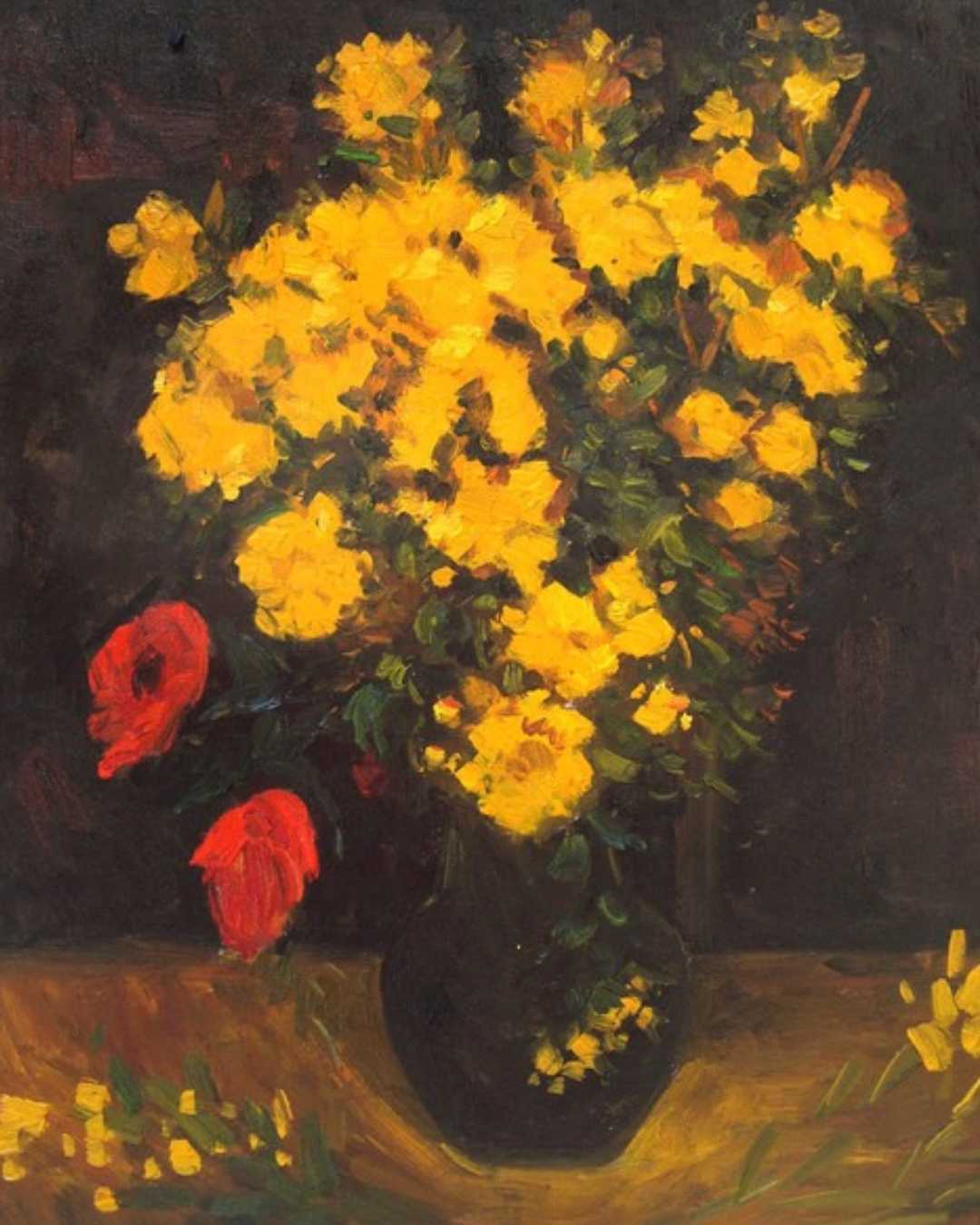
Poppy Flowers, 1887
Vincent Van Gogh finished this painting just three years before his death by suicide, as per the History of Art website, an educational platform curated by art historian Tom Gurney.
Experts believe its bold colours and textured style were influenced by the French painter Adolphe Monticelli.
The painting's story, however, is as dramatic as its appearance. Once displayed at Cairo's Mohamed Mahmoud Khalil Museum, Poppy Flowers was stolen not once but twice. The first theft occurred in 1977, and the work resurfaced a decade later in Kuwait. But after being stolen again in August 2010, it vanished without a trace. Despite multiple investigations and promising leads, the masterpiece has never been recovered.
More than 15 years later, its whereabouts remain one of the art world's enduring mysteries, with a reward of one million Egyptian pounds (Rs 18.18 lakh) still on offer for information leading to its return.
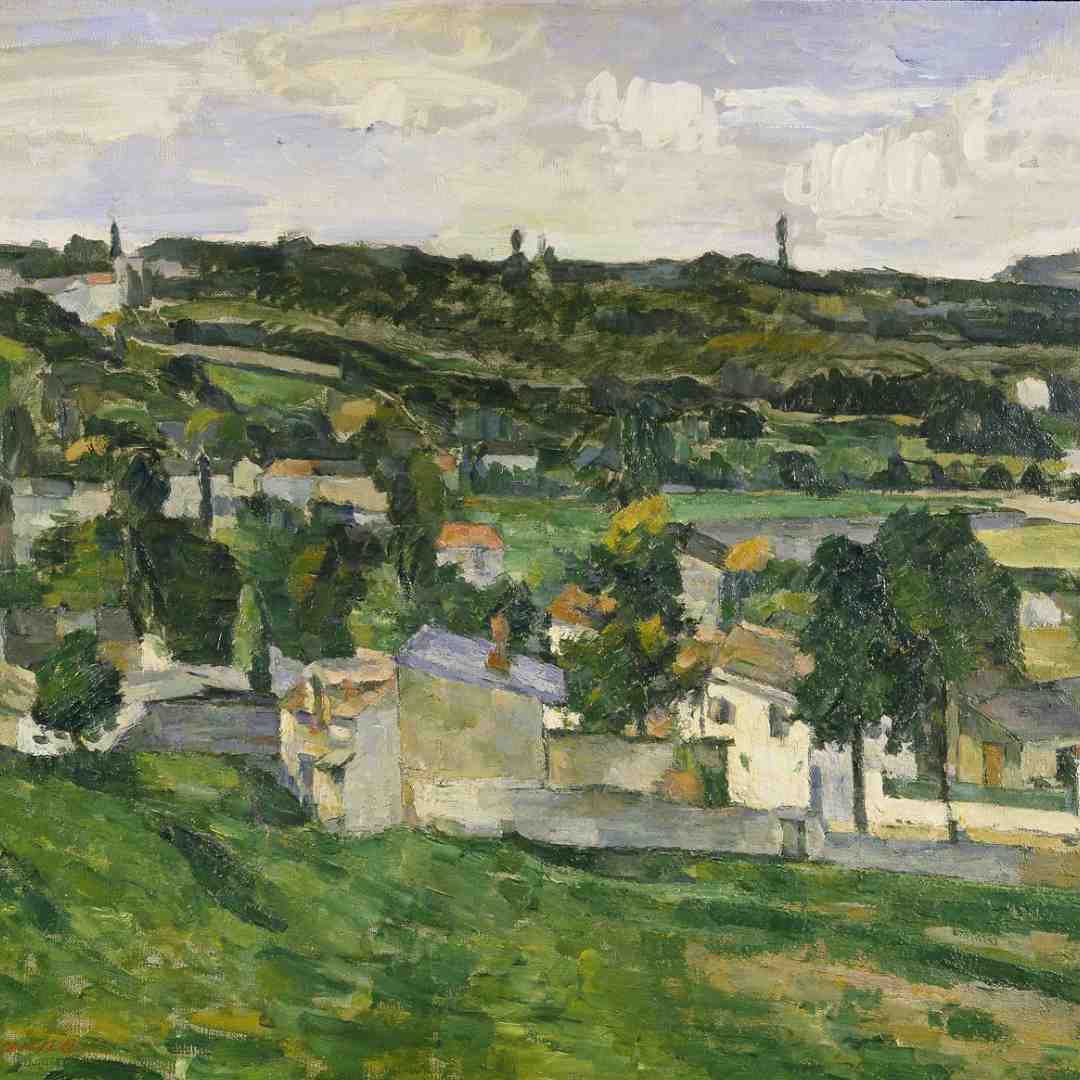
View of Auvers-sur-Oise, 1879-1882
Few art thefts have been executed with as much cinematic flair as the disappearance of Paul Cezanne's Auvers-sur-Oise. On the night of December 31, 1999, as millennium celebrations and fireworks lit up the skies over Oxford, a professional thief struck the Ashmolean Museum.
The Guardian reporter John Ezard in his 2000 article explored the events that transpired that night.
Using the festivities as cover, the burglar cut a hole in the museum's roof, descended into the gallery on a rope ladder and escaped with the painting, all while the sound of fireworks masked the break-in. To further thwart investigators, a smoke device was reportedly used to obscure security cameras.
Painted between 1879 and 1882, Auvers-sur-Oise remains one of the FBI's most sought-after stolen artworks. Valued at around GBP 3 million (Rs 38.31 crore), the masterpiece has never been recovered, and its whereabouts remain a mystery more than two decades later.
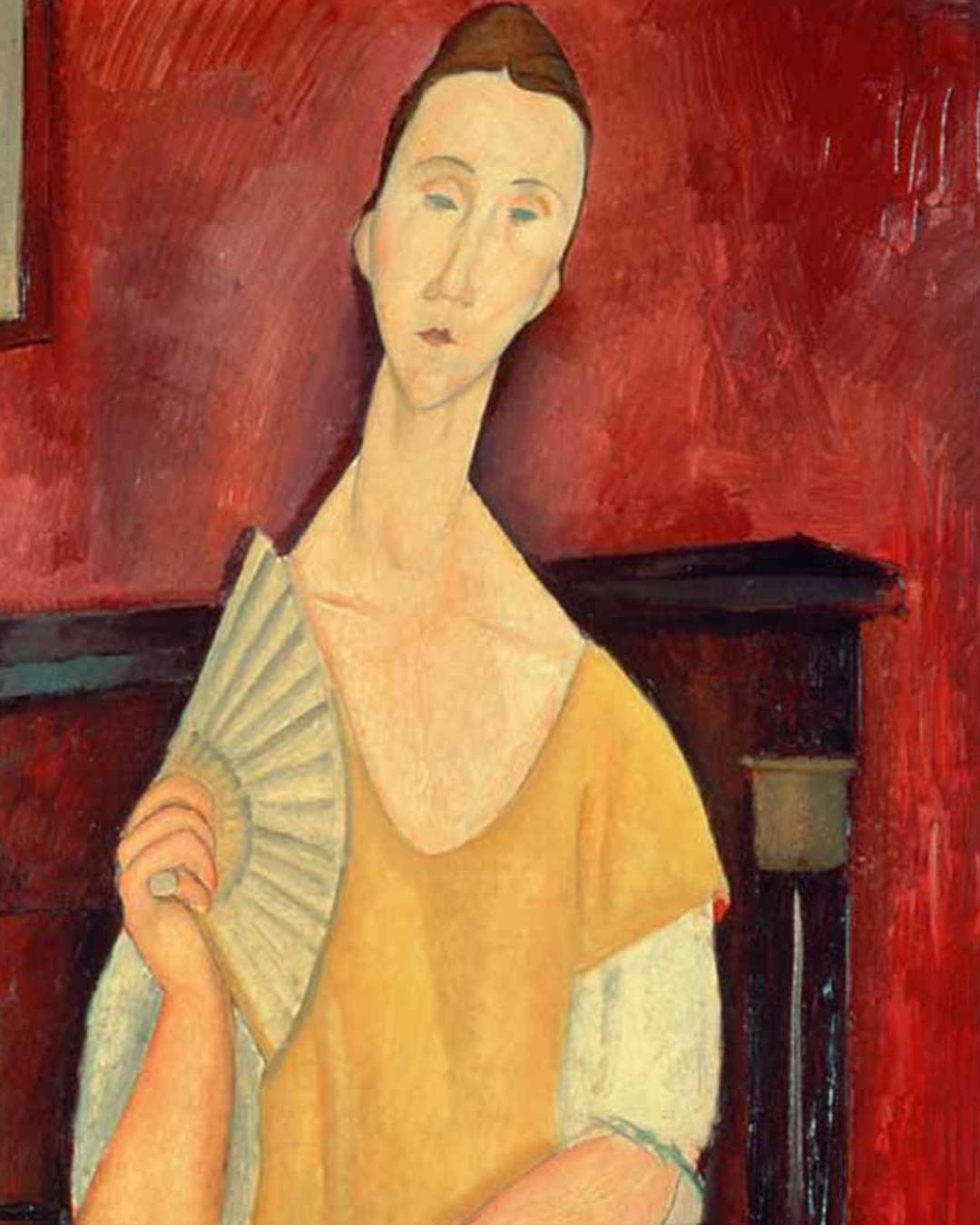
Woman with Fan, 1919
In 2010, a daring heist was reported at Paris's Museum of Modern Art. Among the five masterpieces stolen was Amedeo Modigliani's Woman with Fan (1919), a portrait celebrated for its elegant distortions and muted colours, as per a BBC report dated May 20, 2010.
The burglar entered through a window, bypassed security and escaped with artworks initially valued at over hundred million euros (more than Rs 10 crore). French authorities called it the biggest art heist since the 1990 theft at the Isabella Stewart Gardner Museum.
Years later, the case was solved when burglar Vjeran Tomic, nicknamed Spider-Man, and two accomplices were convicted, according to an article published by The Guardian in February 2017. Nevertheless, the paintings themselves remain missing, making it one of the most notorious unsolved art thefts of the 21st century.
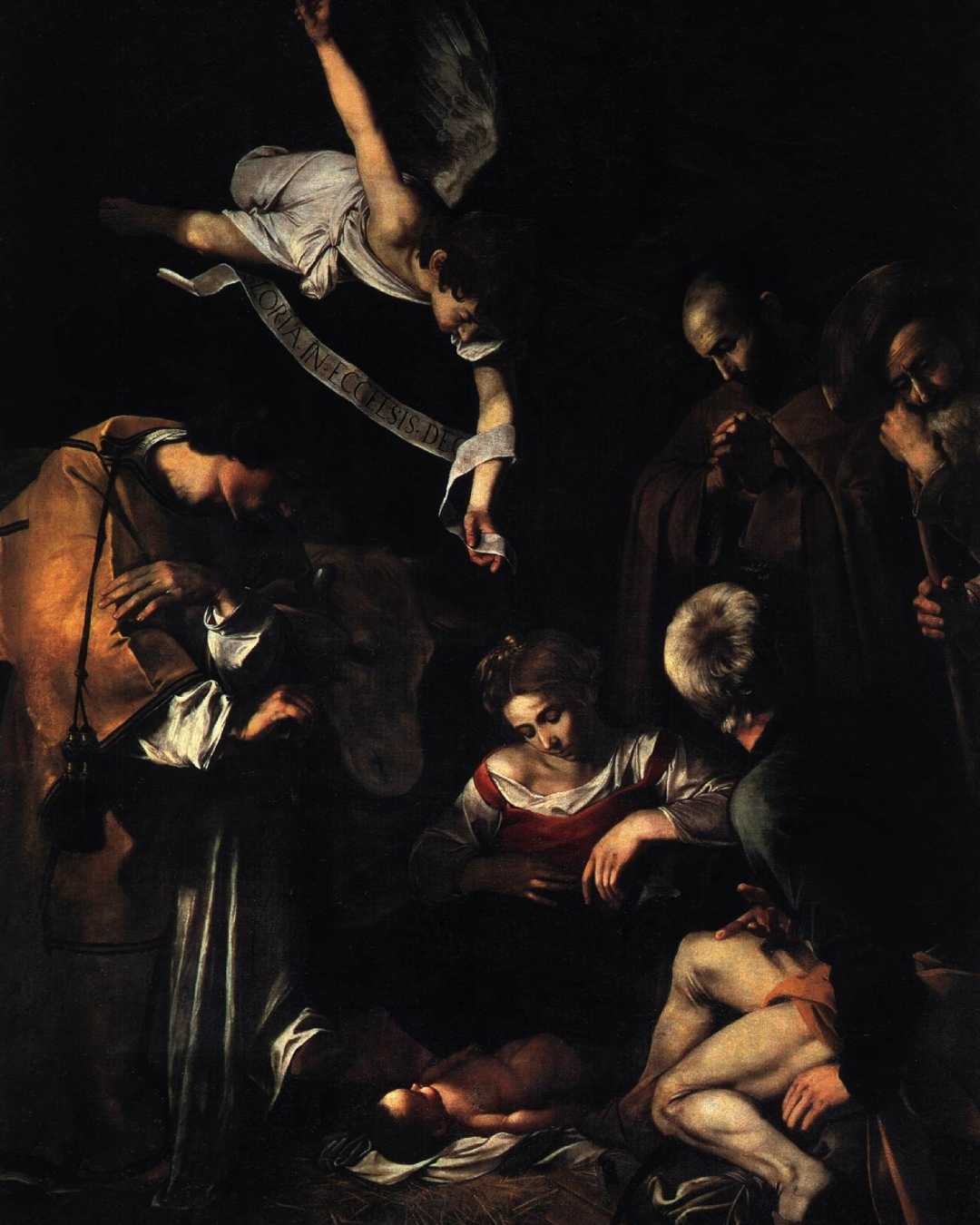
Nativity With Saints Lawrence and Francis, 1609
Caravaggio's Nativity with Saints Lawrence and Francis was painted in 1609 in Palermo, the capital of Sicily, while the artist was a fugitive fleeing violence and criminal charges. The work depicts the birth of Christ.
On a stormy night 360 years later, in October 1969, thieves broke into Palermo's Oratory of San Lorenzo and sliced the canvas from its altar frame. The painting vanished without a trace.
A 2018 article by Jonathan Jones for The Guardian offers one of the most comprehensive accounts of what is widely considered the most valuable artwork ever stolen.
More than half a century later, no confirmed sighting has emerged. Valued at around USD 20 million (Rs 189.95 crore), according to the FBI, the missing masterpiece remains one of the world's most famous unsolved art thefts.
What about the titular painting?
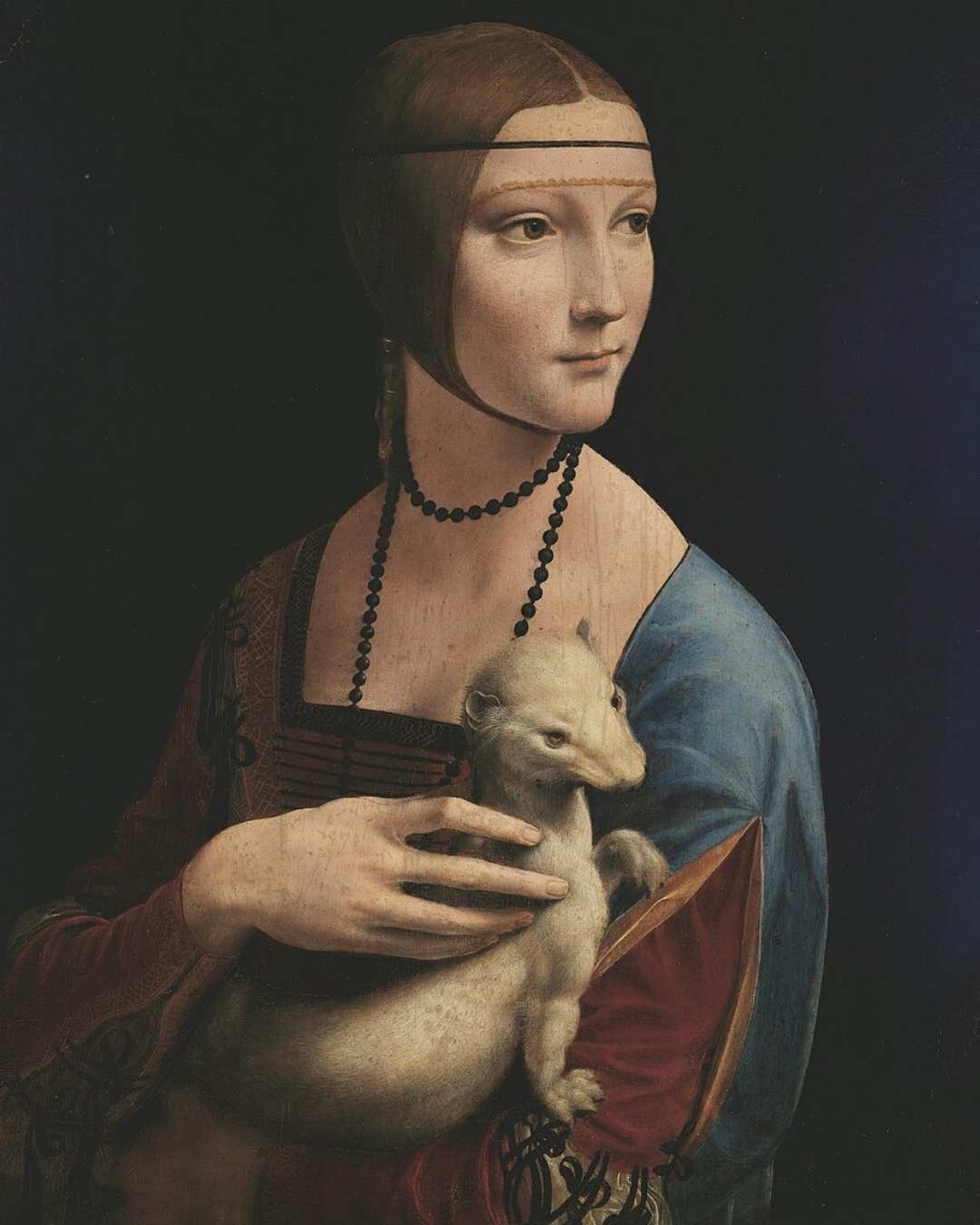
Unlike the stolen masterpieces that remain lost, Leonardo da Vinci's Lady with an Ermine found its way back home.
Painted between 1489 and 1491, while da Vinci served as court painter to the Duke of Milan, the portrait is widely regarded as one of the artist's finest works.
Its journey, however, was anything but peaceful.
In her article Lady with an Ermine Meets Nazi Art Thief Hans Frank, Emily Zarevich gives a detailed account of the painting’s itinerary.
During World War II, the painting fell into Nazi hands after the Polish Czartoryski family failed to hide it from invading forces. It was seized by Hans Frank, Hitler's personal lawyer and the Governor-General of occupied Poland, who displayed it in his office at Wawel Castle.
Against the odds, the masterpiece survived the war. After passing through several countries, including the Soviet Union, the United States, Sweden and Italy, it was eventually returned to Poland.
Today, Lady with an Ermine hangs safely in Kraków's Czartoryski Museum. As per media reports, it is insured for 350 million euros (Rs 387.26 crore).
Special Mention:
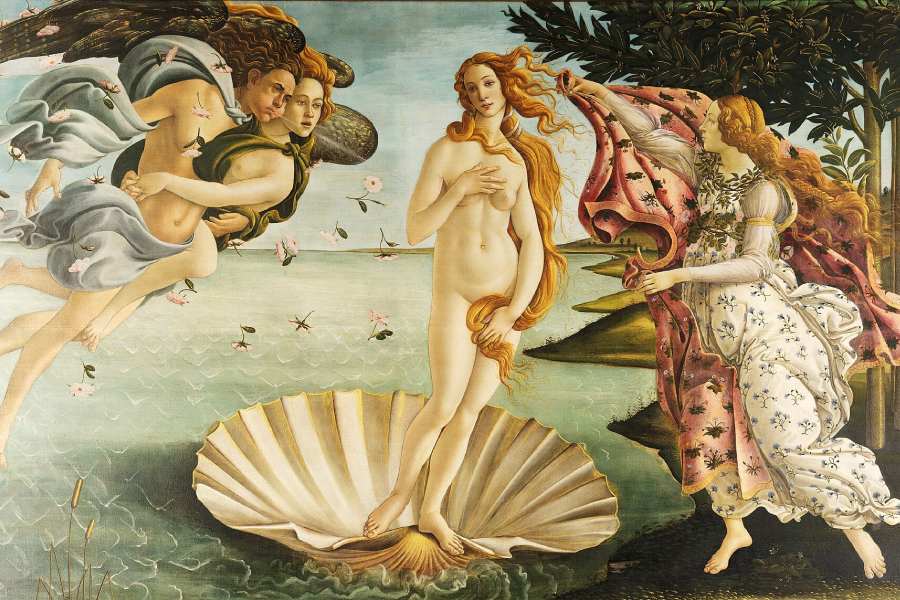
In Episode 3, Pedro Alonso’s Berlin references The Birth of Venus — Sandro Botticelli's iconic work that has never been stolen and has been safely housed at the Uffizi Galleries in Florence since 1815.
The masterpiece, commissioned during the Italian Renaissance, depicts the goddess Venus emerging from the sea on a giant shell, carried ashore by the west wind Zephyr and the nymph Chloris.
The Birth of Venus is today valued at approximately 100 million euros (Rs 1,106.38 crore), as per a CNN report dated December 1, 2023.