Monday, 01 June 2026
Monday, 01 June 2026
Monday, 01 June 2026
Indian films had their share of spectacle and bullish box office runs in 2025. But amidst the crowd of big-budget massy movies, several indie films made their presence felt with their craft, storytelling and powerful messaging. As 2025 draws to a close, The Telegraph Online zeroes in on eight films that stood out this year.
Homebound — Indian cinema’s ticket to global glory
Neeraj Ghaywan’s Homebound put Indian cinema back on the world stage. It premiered at the 78th Cannes Film Festival this year as an official selection in the Un Certain Regard section. Executive produced by Hollywood legend Martin Scorsese, the social drama is also India’s official entry for the Best International Feature at the 98th Oscars, and made it to the shortlist of 15 films vying for the Academy Award.
Starring Ishaan Khatter, Vishal Jethwa and Janhvi Kapoor, the film is based on an article written by Basharat Peer for The New York Times. It follows the story of two childhood friends in a North Indian village, striving to land a government police job.
Bison — The film that refused to soften the blow
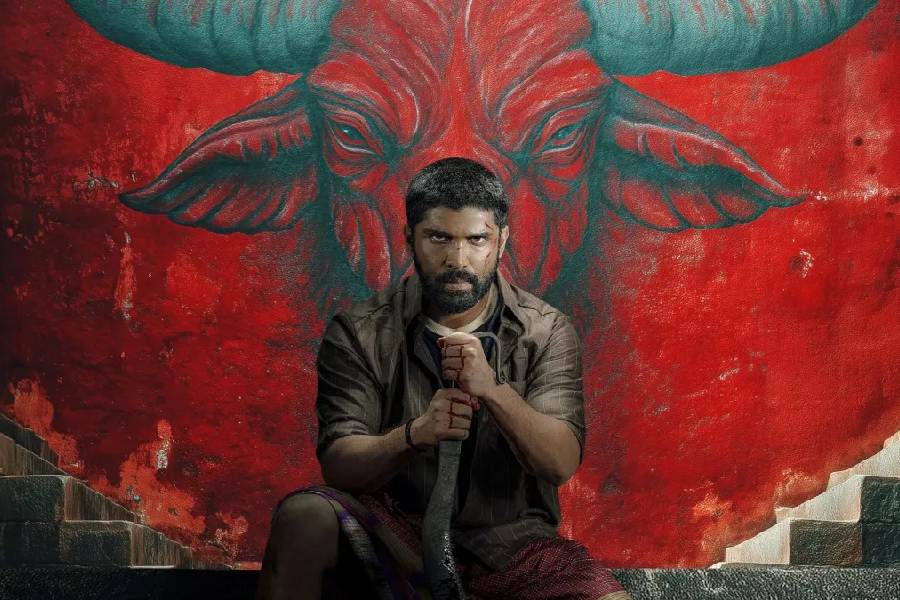
There is nothing polite about Mari Selvaraj’s Bison. It’s raw, abrasive, and often unsettling. A sports drama that doesn’t follow the rules of the genre, Bison explores the story of Kittan (a stupendously impactful Dhruv Vikram), a young boy from rural Tamil Nadu who wants to represent India at the Asian Games. However, socio-political realisties around him have other plans for Kittan.
Stunningly shot and morally complex, Bison is a sports drama where survival matters more than victory. The real hero of the film is editor Sakthi Thiru who leaves you breathless and emotionally-drained. Inspired by the story of Arjuna-awardee Manathi Ganesan, Bison is also overtly political and doesn’t shy away from addressing the realities of caste-based violence in the grassroots.
Lokah Chapter 1: Chandra — A masterclass in world-building
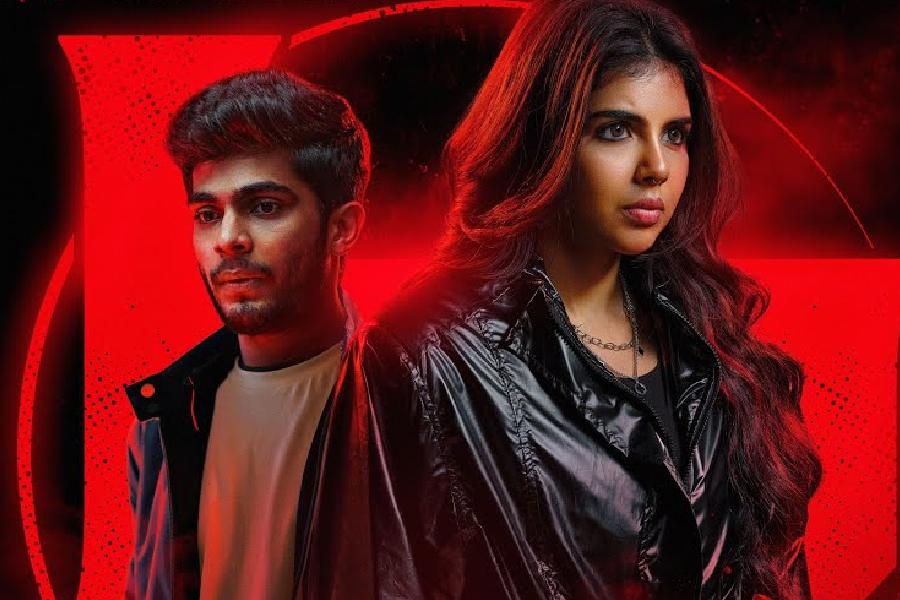
Origin stories of superheroes generally follow the tried and tested tropes, be it in Hollywood or even her in India. But Malayalam cinema took a leap of faith this year with Lokah Chapter 1: Chandra, which chose to focus on world-building rather than drowning viewers in spectacle, allowing mythology, character arc, and mood to do the heavy lifting.
Headlined by Kalyani Priyadarshan, Lokah is rooted in the myths of yakshis, chaathans (goblins) and goddesses, but follows a vigilante who fights baddies in present time. The story brings together Malayali superheroes, Tamil cops and Kannadiga gangsters, who cross paths in a polyglot Bengaluru.
Stolen — The year’s most devastating film
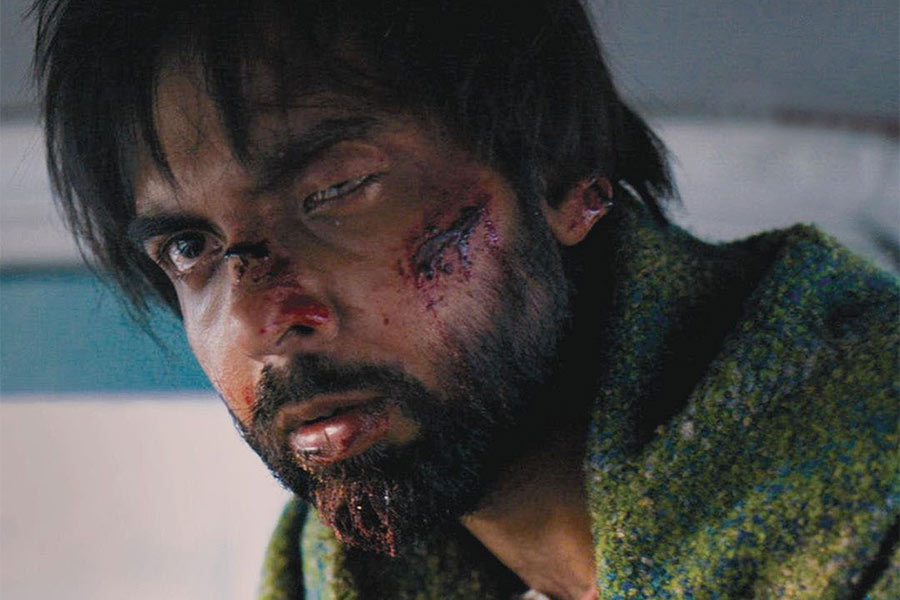
Abhishek Banerjee and Shubham Vardhan play brothers on a mission to find a missing child in Prime Video’s crime-thriller film Stolen. Directed by Karan Tejpal it gives us a glimpse of modern heartland India.
Stolen thrives in a maze of mob violence, corrupt systems, baby-snatching rackets and moral quicksand. The film’s core tension comes from the collision of two Indias — the insulated privilege of the brothers and the brutal reality of the heartland where they are caught in. Few films this year trusted silence as much, or used it so effectively.
Dhadak 2 — A sequel that outdoes the original
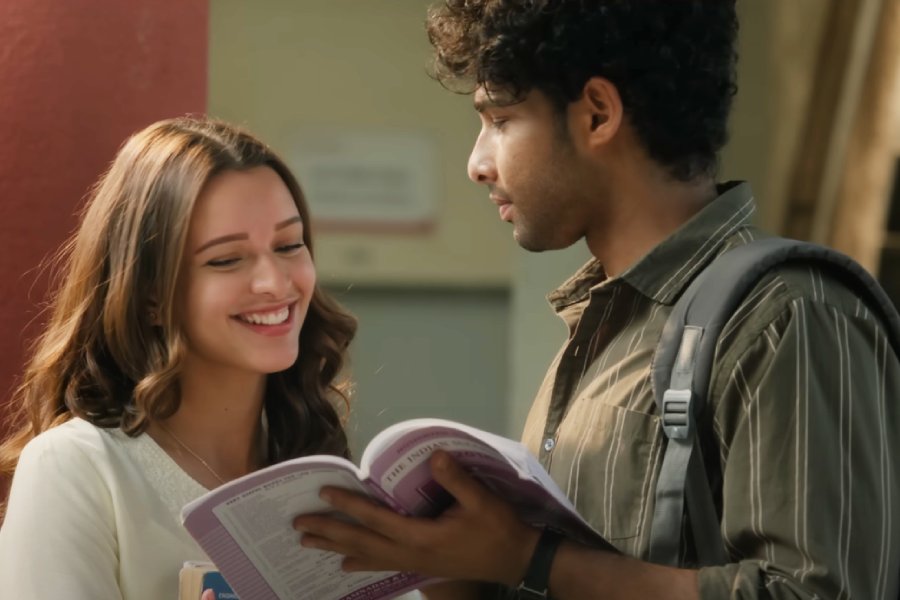
Sequels usually replay familiar tropes, or bank on the nostalgia factor. Dhadak 2 chooses evolution instead. It is more politically aware, more emotionally complex, and far less romantic about rebellion. Love still matters. but survival matters more. That honesty gives the film its weight.
Shazia Iqbal’s Dhadak 2 carries the burden of legacy and the weight of expectation but manages to come out with flying colours on both counts. Adapted from Mari Selvaraj’s searing 2018 Tamil drama Pariyerum Perumal, the film does not attempt a frame-by-frame remake. Instead, it recasts the source material in a Bollywoodised fare, retaining the ideological clarity while catering to a mainstream audience.
Sabar Bonda — A tender love story
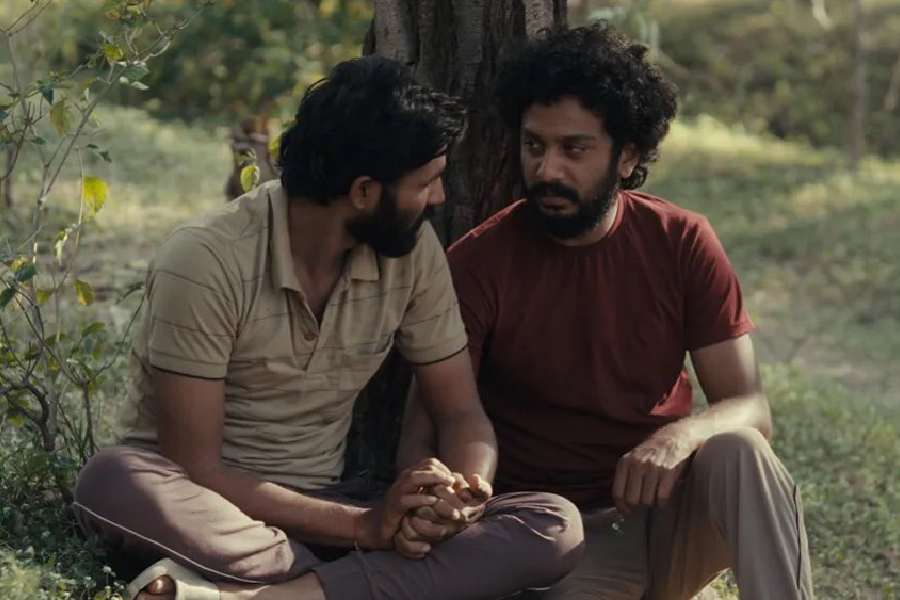
Marking the feature debut of filmmaker Rohan Parashuram Kanawade, the Marathi-language drama Sabar Bonda is a semi-autobiographical rural queer narrative shaped by grief. The film follows Anand (Bhushaan Manoj), a Mumbai-based call-centre employee who returns to his ancestral village for a ten-day mourning period after his father’s death.
The rigid rituals, combined with unspoken expectations around marriage, form the backdrop for Anand’s internal conflict. Anand’s reconnection with his childhood friend Balya (Suraaj Suman) forms the core of the narrative. Shot in a 4:3 aspect ratio, the film enjoys its unhurried pacing and carefully composed frames to explore the love story of two men in rural India.
Jugnuma — A fable of modern times
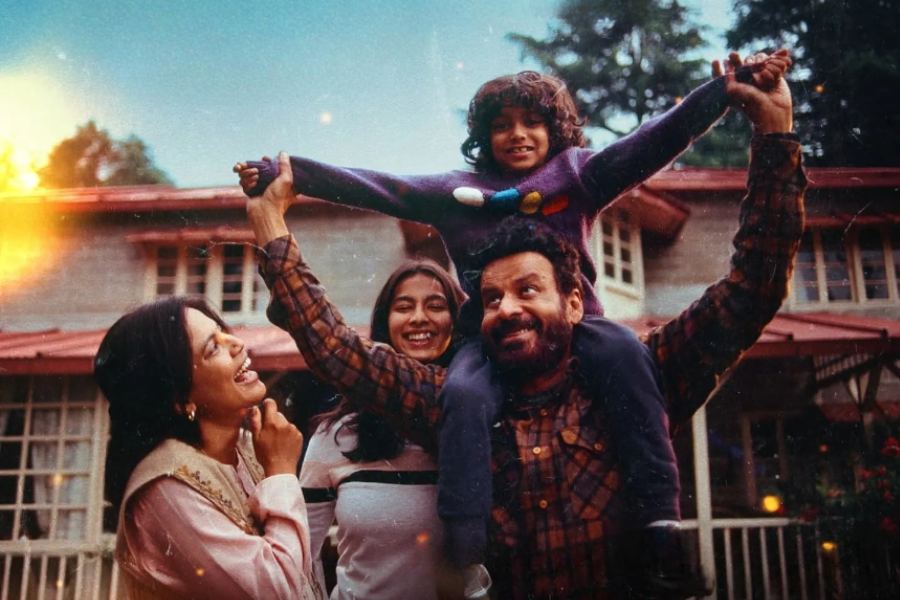
Raam Reddy’s Jugnuma starring Manoj Bajpayee is a modern-day fable on belonging. Set in a quaint hillside village in the Himalayas, the film offers a nuanced exploration of the debate around land ownership, immigration and privilege as the environment itself seems to turn against humans.
The story revolves around Dev (Manoj Bajpayee), an estate owner whose peaceful life is upended when frequent fires destroy his apple orchards. Dev’s composure starts to crack. Locals whisper of negligence; government officials, rather than offering solutions, stir the unrest. Despite the abundance of metaphors, Raam doesn’t underline his message with dialogue or exposition. The film’s power lies in its restraint. Bajpayee’s performance is a masterclass in emoting through silence.
Humans in the Loop — A relevant film for a world grappling with AI
Rather than imagining AI as a distant nightmare, Humans in the Loop places it squarely in the present. Aranya Sahay’s film asks questions about accountability, labour, and empathy in an automated world.
Set around an indigenous woman working in a rural data-annotation centre in India, Humans in the Loop explores the ethics and inequities embedded in machine learning systems.