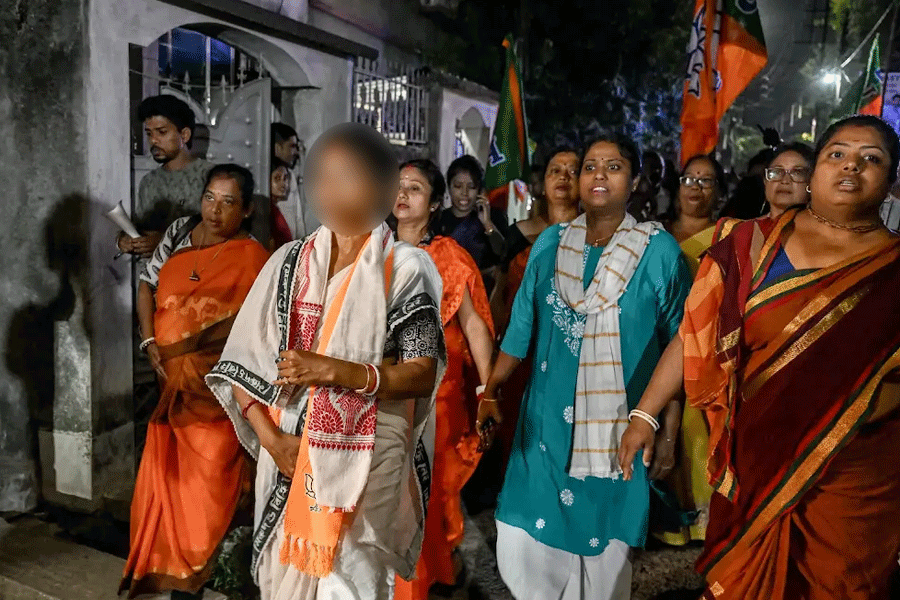
The heinous rape and murder, in August 2024, of a young doctor who was resting in a hospital seminar room between shifts unleashed a storm of rage, leading to a criminal inquiry that expanded into broader investigations into potential systemic corruption.
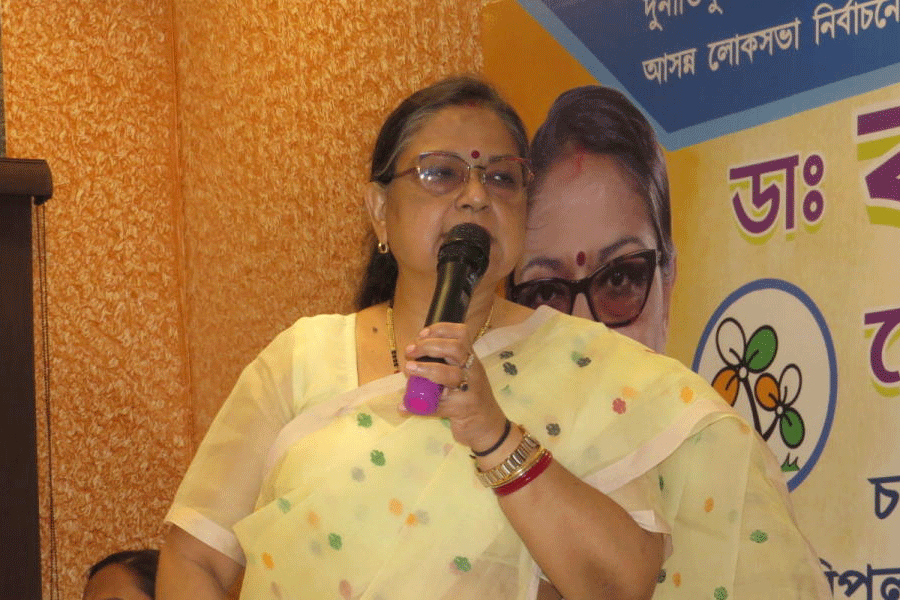
More than a year-and-a-half later, the doctor’s mother, Ratna Debnath, has stepped into the political realm as a candidate for West Bengal’s state legislature, aiming to seek justice for her daughter and greater safety for women.
“I’ve lost my daughter and my house has become empty, but I want to ensure the safety of thousands of women,” Debnath, 54, said. “That’s why I’ve joined politics.”
Debnath’s personal story became a key element in the campaign of the Bharatiya Janata Party, the Hindu nationalist political party of Prime Minister Narendra Modi, to unseat the current government of West Bengal, which is led by Mamata Banerjee of the Trinamool Congress party.
By choosing to join the BJP, which sought her candidacy for months, Debnath has thrust herself not just into the heat of the state’s election. She has also become a figure in Modi’s broader campaign to position his party nationwide as a champion of women.
While women have made significant strides in India, with greater numbers entering the formal workforce, many still fight the undertow of patriarchal norms that continue to dominate society and, in many contexts, normalize violence against them. In recent years, overall crime against women has risen, although there has been a decline in the number of dowry deaths, the leading cause of violence against women. Many crimes also go unreported.
The BJP has launched multiple welfare programs and campaigns to support women, but it has also been criticized in the wake of major incidents of sexual violence. The police in New Delhi cracked down on a protest against sexual harassment in the sport of wrestling in 2023 and, a year earlier, 11 men convicted of rape and murder in a state once governed by Modi had their prison sentences cut short.
In West Bengal, the BJP has been wooing female voters, who participated in the 2021 state election here in greater numbers than male voters, by making their safety and welfare a pillar of its campaign.
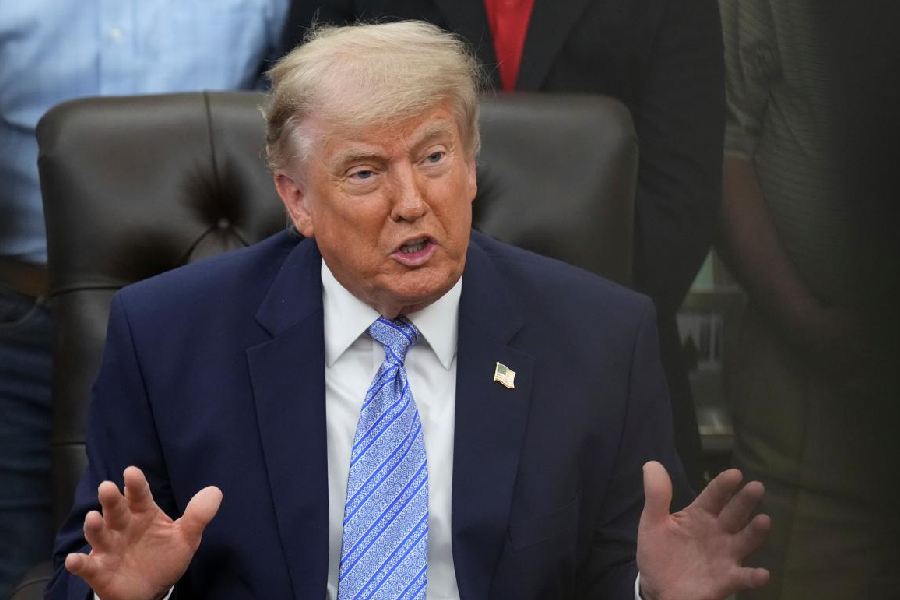
At a rally Friday afternoon with Debnath, Modi — who campaigned in the state — painted the Trinamool as “anti-women” and a corrupt, lawless government that had failed to bring to account all those involved in her daughter’s case. Hundreds of women who attended wore turbans or scarves of saffron, the BJP’s signature color.
He announced programs that would provide more cash benefits to pregnant women, loans of up to 2 million rupees, or about $21,500, for self-employed women, and free cervical cancer vaccines.
The BJP’s focus on women resonated with some. Neha Routh, a 26-year-old schoolteacher in Panighata, a village, cheered Modi for his “feminism” because of his support for women’s education and empowerment. She hoped that the party would be able to provide jobs rather than simply doling out cash.
Banerjee, who is seeking a fourth term in office, highlighted popular welfare programs she launched for women since she came to power in 2011. She also focused on portraying the Trinamool as an inclusive party and custodian of the Bengali identity.
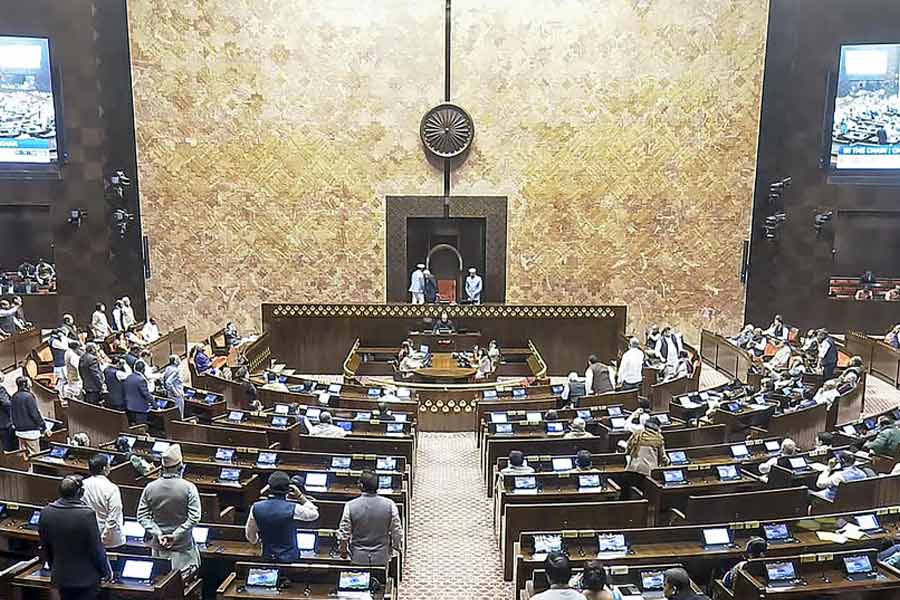
At the national level, the BJP-led government recently sought to push through a bill to expand the parliament to 850 seats from 543, and reserve 33% of the seats in parliament and state governments for women. (Women make up around 14% of India’s current parliament.)
But opposition parties accused the government of using the issue as a backdoor to potentially tilt the balance of power in parliament to give more seats to states that are BJP strongholds.
After the government’s proposal was defeated, Modi delivered a televised official address blaming the opposition for hindering a move to empower women. His speech was criticized by civil society groups as a violation of the country’s code of conduct governing elections, which prohibits officials from using their official position to campaign. Voters headed to the polls in April in four Indian states and one territory.
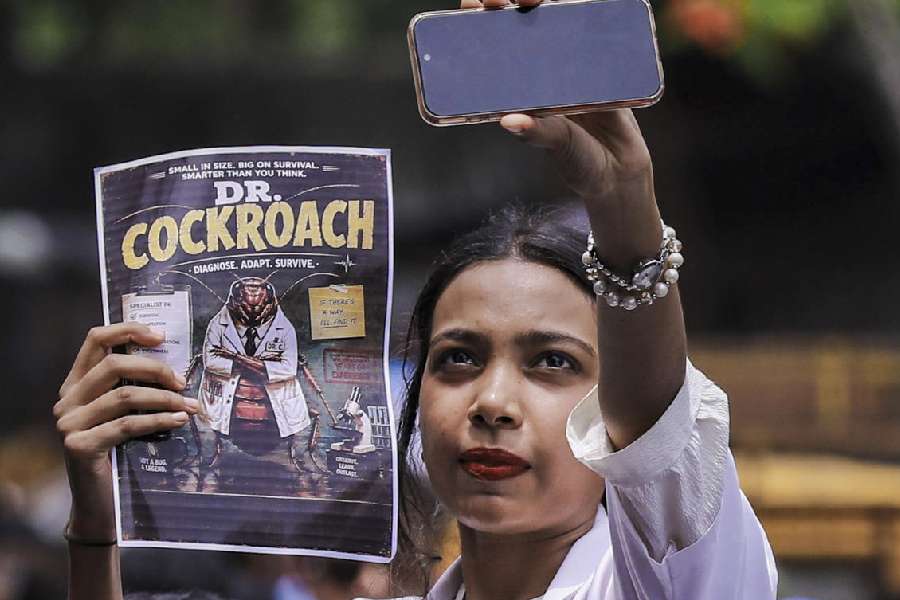
On Friday afternoon, the prime minister took his message to Panihati — the constituency in Kolkata where Debnath is running. Her daughter, a 31-year-old trainee doctor, was found dead at a top hospital there Aug. 9, 2024. The crime set off nationwide protests by doctors demanding safer working conditions and justice for the victim. Indian law does not allow rape victims to be publicly named.
As Modi walked toward Debnath onstage, he bowed to touch her feet as a mark of respect. Later, they folded their hands in prayer, and he touched her head with his palm as she sought his blessing — snippets that went viral on social media. He warmed up the vast crowd, giving shout-outs to women and young girls in the audience, before launching into his political broadside against the Trinamool.
The BJP reached out to Debnath around six months ago to persuade her to join politics, said Joy Saha, a party member and her election adviser. But Debnath made the decision only recently, he added. Party officials said they expect her story to resonate with people and motivate them to vote. Voting ended Wednesday and results are expected Monday.
Debnath’s campaign was largely door-to-door. She usually dressed in plain white saris and slippers, a pair of rectangular glasses and the smear of vermilion in her parted hair that many married Hindu women wear. Most mornings and evenings, she shook hands and waved to potential voters. Sometimes, people touched her feet.
On a recent Saturday evening, Debnath seemed overwhelmed at times by the endless sloganeering around her. While she lacked the performative flourishes of seasoned candidates, she spoke calmly about her plans should she win.
“I have joined the BJP because they are a central party through whom we can approach higher echelons of power for justice,” Debnath said. “What happened with my daughter, why it happened and who did it — those are the three questions” she said she was seeking answers to.
A man was convicted of the rape and murder of Debnath’s daughter and is serving a life sentence. But the incident also led to broader investigations by two central government agencies into whether evidence from the crime scene had been tampered with, and into allegations about financial misconduct at the hospital.
Since 2024, the Trinamool party has repeatedly said that it had no involvement in criminal behavior or financial misconduct, and that any irregularities in the public hospital were tied to individuals.
If elected, Debnath said she would seek to change the law to make it possible for rape victims to be named. She said her daughter was a hardworking doctor who had wanted to add more degrees to the end of her name. But as soon as she became a victim, her daughter’s name was erased from public life. “As a mother, I can’t bear this.”
The New York Times News Service