An increase in petrol and diesel prices in the near future is not ruled out, government sources told PTI on Friday after the Narendra Modi government hiked commercial LPG cylinder cost by a steep Rs 933 two days after elections to four states and one Union Territory ended.
Last month, in the run-up to the state elections, “top government sources” had told the news agency that there was no immediate plan to raise retail fuel prices and oil marketing companies were expected to absorb the cost pressure.
The petrol-diesel price hike was because of losses from a four-year-old freeze in retail rates despite the sharp rise in global crude oil prices, the PTI report said.
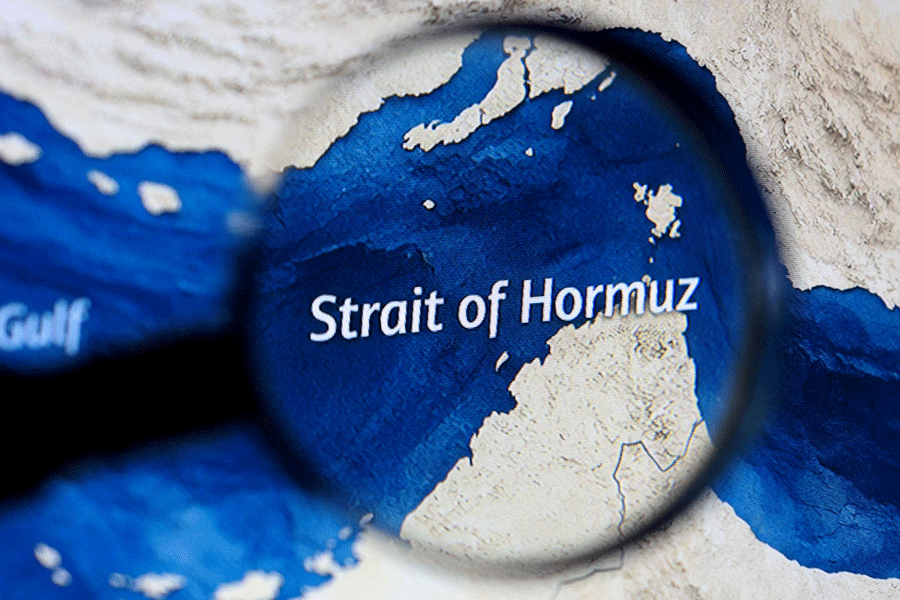
International crude oil prices this week climbed to a four-year high of $126 per barrel before cooling down slightly, but remained above $110 a barrel as ship transits through the Strait of Hormuz remained restricted and US and Iranian leaders traded barbs amid stalled peace talks.
Critics of the government have pointed out that the government did not drop petrol-diesel prices when the price of crude was $70 a barrel before the US and Israel launched their war on Iran in February.
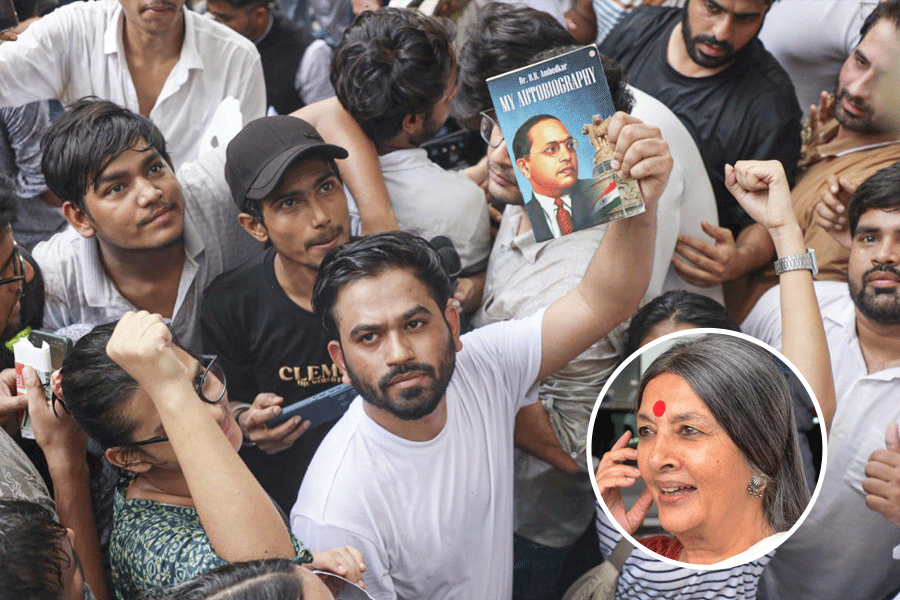
Analysts and Opposition leaders including Rahul Gandhi of the Congress had earlier warned that the government would increase the price of petrol and diesel after the end of polling for Assembly elections in Bengal on April 29.
On Friday, after the government hiked the price of commercial LPG, the Congress leader wrote on X (formerly Twitter): “I had said it - the heat of inflation would come after the elections.”
The leader of Opposition in the Lok Sabha ended the post with: ““First strike on gas, next strike on petrol-diesel.”
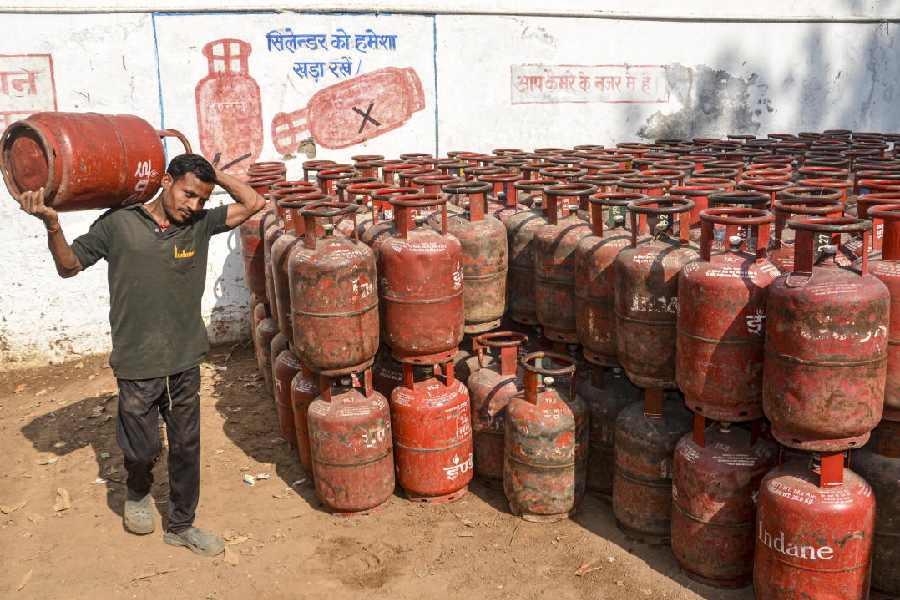
Earlier on Friday, Indian Oil Corporation (IOC), making a statement on behalf of the industry, said petrol and diesel price and domestic LPG rates were not being increased despite a surge in international energy cost.
State-owned oil firms hiked prices of commercial LPG, industrial diesel, 5-kg LPG and jet fuel sold to international airlines in keeping with the cost.
International oil prices spiked after the US and Israel attacked Iran on February 28, and Tehran's sweeping retaliation that effectively shut the Strait of Hormuz -- one of the world's most critical energy arteries, linking the Persian Gulf to global markets and handling roughly a fifth of global oil trade along with significant volumes of liquefied natural gas.
Last week, a senior oil ministry official told a news briefing that state-owned fuel retailers were incurring losses of about Rs 20 per litre on petrol and roughly Rs 100 per litre on diesel as pump prices remained frozen for nearly four years despite a surge in global oil prices. Yet there is no plan to increase prices, she had said.
Retail petrol and diesel prices have remained frozen since early April 2022 -- a period during which oil prices rose in some months and fell in other times. When prices fell, state-owned oil firms made handsome profits, which they used to set off losses when rates rose.