The Centre on Tuesday claimed that the interests of the domestic agriculture and dairy sectors have been protected in the trade deal with the US.
The deal slashes the reciprocal tariff on Indian exports to 18 per cent, but the fine print of the agreement is yet to be published even after it was announced by US President Donald Trump on social media 24 hours ago.
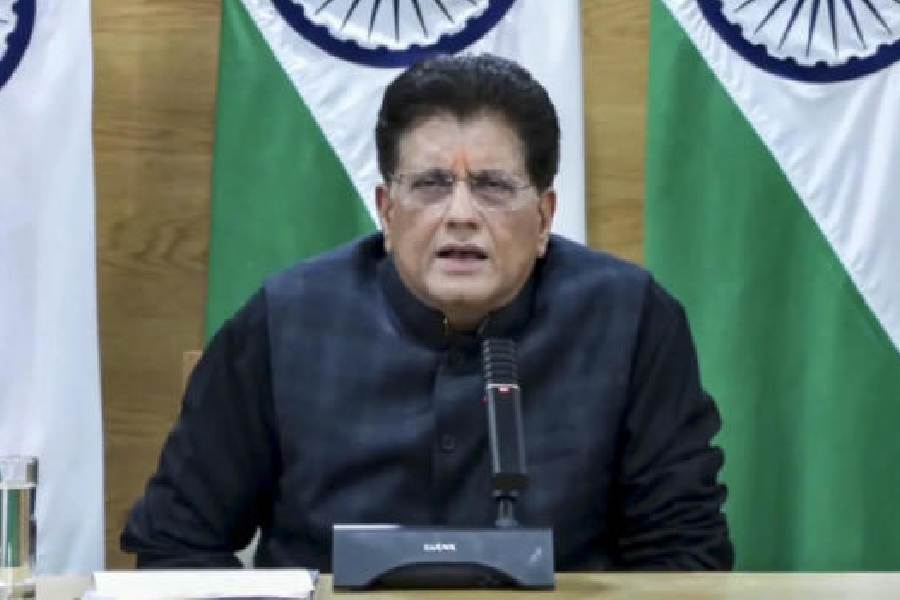
Union commerce and industry minister Piyush Goyal said a joint statement was being hashed out and the details would be shared after reaching a final understanding. “I can assure the people that the deal will create a huge opportunity for the country and protect the sensitive areas... the interest of our agriculture and dairy sectors,” Goyal said on Tuesday evening in India’s first official statement after social media posts by Trump and Prime Minister Narendra Modi.
Earlier in the day, US agriculture secretary Brooke Rollins thanked Trump for “once again” delivering for American farmers through the trade deal with India, setting off speculation that the Modi government had caved in under Trump’s pressure to open up the politically sensitive and employment-generating agriculture and dairy sectors.
“The new US-India deal will export more American farm products to India’s massive market, lifting prices, and pumping cash into rural America. In 2024, America’s agricultural trade deficit with India was $1.3 billion. India’s growing population is an important market for American agricultural products and today’s deal will go a long way to reducing this deficit,” Rollins posted on X.
Later in the evening, US trade representative Jamieson Greer told CNBC that India was going to maintain “some protection” around agricultural goods, but claimed “…for a variety of things, you know, tree nuts, wine, spirits, fruits, vegetables, etc, they’re going down to zero”.
Greer said that tariffs on industrial items would go down to zero from an average 13.5 per cent, adding that the removal of non-tariff barriers would be a key part of the agreement.
India has refused to open up the agri and dairy sectors in any of the free trade agreements reached so far, notably with the European Union, New Zealand and the UK.
The US soybean oil futures climbed 2 per cent on Tuesday in a sign of optimism that the deal could open up a road for American products to India, a major importer of vegetable oils.
Boost in sentiment
The domestic stock and currency markets cheered the trade deal, which ended months of uncertainty.
The Sensex soared 2.5 per cent to close at 83,739, recouping losses suffered on budget day. Foreign institutional investors (FIIs), who had been pulling out money from the Indian stock market from 2025 onwards turned net buyers with purchases of ₹5,236 crore on Tuesday.
Rupee also posted record gains against the dollar, jumping by ₹1.2 to close the day at ₹90.26 as currency traders expected a turn in the tide for the FIIs.
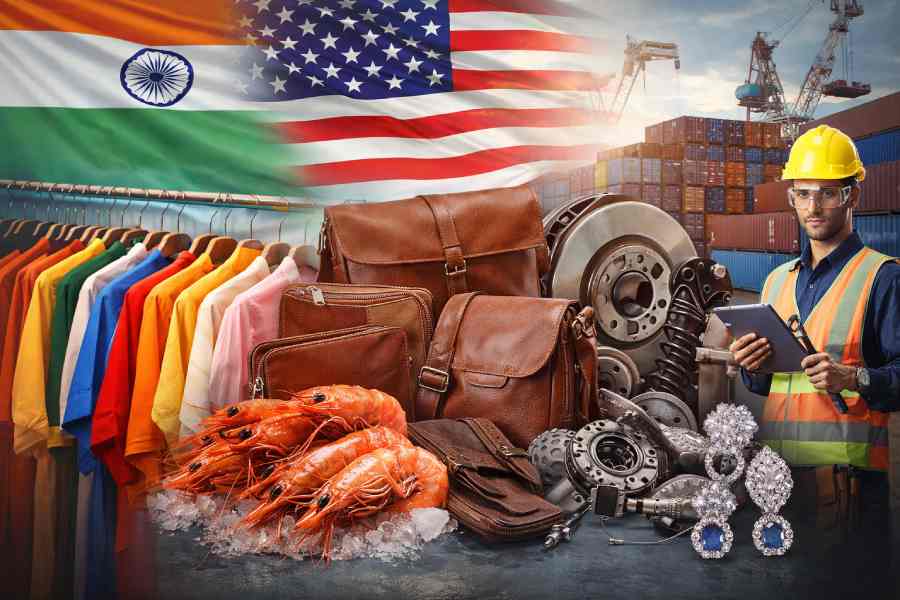
Industry leaders across sectors such as textile, leather, gems and jewellery and marine products said a duty of 18 per cent would give an edge to Indian exports to the US as it was lower than competing emerging economies such as Bangladesh, Vietnam, Indonesia and Malaysia, among others.
However, the Section 232 tariffs imposed on grounds of national security on some steel, aluminium and auto ancillary products will continue.
“About 80 million people are employed in labour-intensive sectors hit by the US tariffs. The trade deal has lifted uncertainty and restored confidence, which matters enormously as the US is the primary market for these sectors,” said Rudra Chatterjee, chairman of carpet and furniture maker Obeetee, which has significant business interests in the US.