
India’s aviation regulator has tightened in-flight safety rules around power banks and other lithium battery-powered devices, responding to a growing number of fire-related incidents reported worldwide.
The Directorate General of Civil Aviation (DGCA), in a ‘Dangerous Goods Advisory Circular’ issued in November, has disallowed the use of power banks for charging phones or other gadgets during flights, including through aircraft seat power outlets.
Power banks and spare lithium batteries will now be allowed only in hand luggage and cannot be stored in overhead compartments, where fires are harder to detect and control.
The move comes amid rising concern over lithium battery fires, which the regulator says are particularly dangerous because they are highly energetic and, in some cases, self-sustaining.
“The widespread usage of lithium batteries in various rechargeable devices has led to an increase in carriage of lithium batteries by air. Power banks, portable chargers, and similar devices containing lithium batteries can act as ignition sources and potentially initiate on-board fires,” the DGCA circular said.
The advisory placed emphasis on where lithium batteries are kept inside the aircraft. According to the DGCA, batteries stored in overhead bins or inside carry-on baggage can delay detection of smoke or fire.
“Lithium batteries placed in overhead stowage bins or within carry-on baggage may be obscured, difficult to access, or not readily monitored by passengers or crew members. This may result in delayed detection of smoke or fire and response actions, increasing the potential hazard to flight safety,” it added.
Lithium battery fires, the regulator warned, are intense and can even cause personal electronic devices to explode.
“A lithium battery fire can be started by uncontrolled heating, overcharging, crushing or internal short circuit triggered by poor manufacturing quality, aged batteries, or damage due to mishandling. Unlike other fires, lithium battery fires may be self-sustaining and require special methods to handle,” the advisory noted.
The DGCA has asked airlines to review their safety risk assessments related to lithium batteries carried by passengers and adopt stronger measures to prevent battery-related fires in cabins.
Airlines have also been directed to ensure early detection and effective firefighting in case of an incident.
Crew training is a key focus of the advisory. Cabin crew must be able to identify early warning signs such as overheating, smoke or flames from electronic devices, use the correct firefighting equipment, and understand the risks of smoke inhalation.
Airlines have been instructed to ensure firefighting equipment and protective gear on board are adequate and easily accessible.
Passenger awareness forms another major part of the new rules.
Airlines have been directed to make inflight announcements informing flyers about the updated safety norms and the need for quick reporting.
Passengers must “immediately inform the cabin crew if any device emits heat, smoke or an unusual odour”, the rules state. Airlines, in turn, must “promptly report all safety issues and occurrences related to lithium battery incidents to DGCA”.
Airport operators have also been asked to play a role. The DGCA has directed airports to display safety messages and videos on lithium battery fire risks at terminal entrances, check-in counters, security checkpoints and boarding gates.
Airports have been advised to work with airlines to educate passengers on safe handling of power banks and battery-powered devices, including discouraging charging just before boarding.
The advisory follows a rise in safety occurrences globally where lithium batteries carried onboard aircraft were suspected to be the cause.
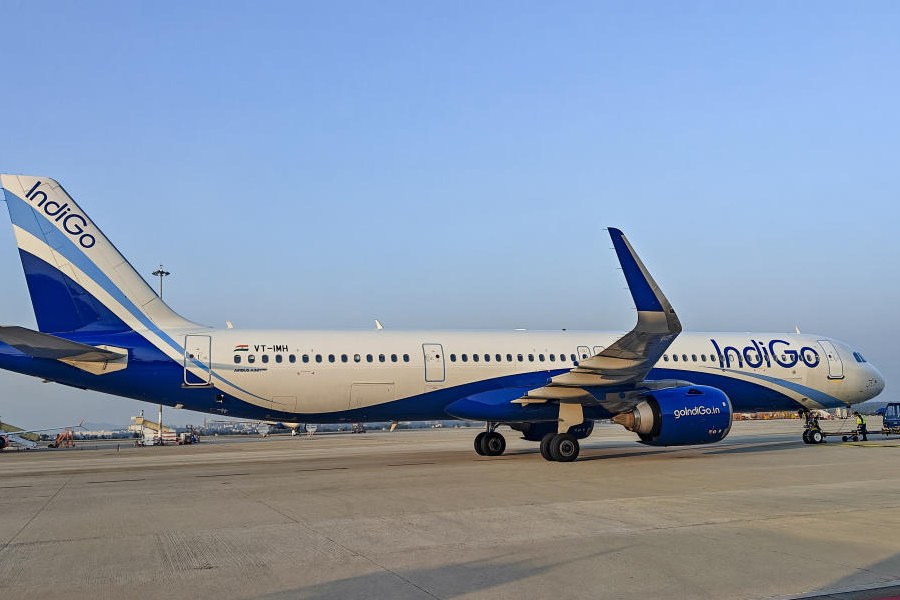
In October last year, a passenger’s power bank reportedly caught fire on board a Dimapur-bound IndiGo flight while it was taxiing at Delhi’s Indira Gandhi International Airport. No injuries were reported, and the fire was extinguished.
In January, 2025 an Air Busan aircraft caught fire at South Korea’s Gimhae International Airport, with investigators pointing to a possible power bank insulation failure as the trigger.
Several international airlines had already moved in this direction. Emirates banned the use of power banks on all its flights last year, allowing only those rated below 100 watt-hours to be carried and strictly prohibiting their use or charging onboard.
Singapore Airlines introduced a similar policy in April last year, forbidding any use or charging of power banks mid-flight. Other carriers, including Cathay Pacific and Qatar Airways, have also restricted how and where passengers can store power banks.