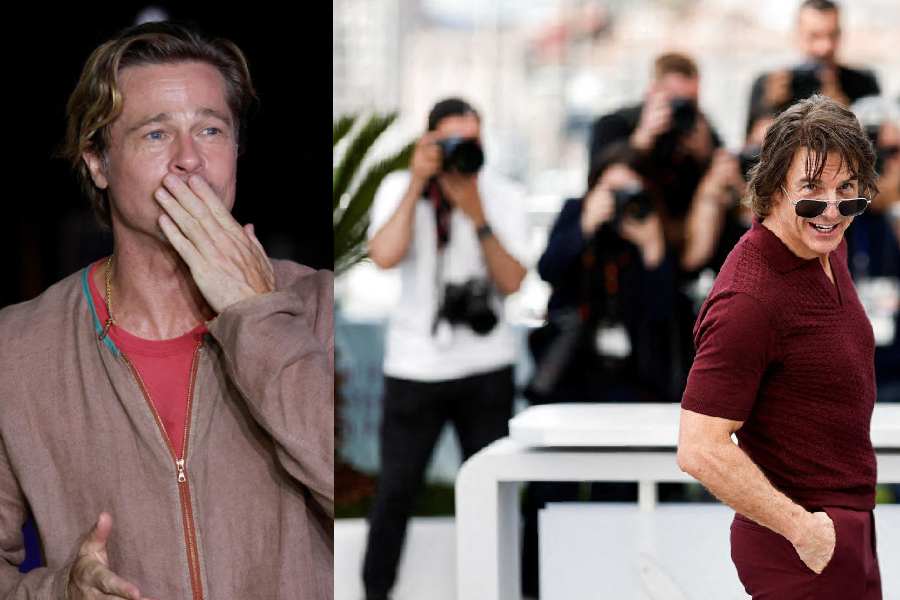
A 15-second artificial intelligence (AI) video of Tom Cruise and Brad Pitt engaged in a cinematic fistfight has highlighted how Artificial Intelligence (AI) tools are shaping entertainment and forcing actors to face the threat of being digitally reproduced and cloned.
Seedance 2.0, developed by Chinese tech company ByteDance, produced the clip through a two-line text prompt and went viral before many could grapple whether such a fight actually took place, reported The New York Times.
Screenwriter Rhett Reese warned that AI could disrupt Hollywood's production model and said that the realism of the AI clip sent a "cold shiver" up his spine.
Last year, filmmaker James Cameron raised alarms stating that it would be "horrifying" if AI replaced actors.
Actors' union SAG-AFTRA condemned using technology to reproduce performances without the consent of the actors being replicated. As far back as 2023, the union went on strike to promote the principle of "consent and compensation."
The union called the Seedance videos, which constitute numerous videos of actors, a "blatant infringement."
The Motion Picture Association also criticised what is called a large-scale unauthorised use of copyrighted material.
Last Friday, Disney sent a letter to ByteDance accusing the latter of creating "a pirated library of Disney's copyrighted characters.
The controversy ignited the enquiry of actors as public commodities and frames a pivotal question in Hollywood labour negotiations: Who owns a performer's face, voice and identity?
Duncan Crabtree-Ireland, the national executive director of SAG-AFTRA said that filmmakers were taking legal precautions, by signing contracts with their partners preventing co-signatories from producing digital content without the consent of the individuals depicted.
He argued that while the practice of AI replication of actors need not be malicious in intent, it could violate how they control their image and their voice is used.
The risk of losing control over one’s image and voice is a serious concern in cases where AI deepfakes recreate deceased actors such as James Dean or Audrey Hepburn because such portrayals may compromise their legacies.
Although Hollywood has taken steps to guard against AI’s unregulated use, its expansion raises questions about regulation. The question is whether it will remain a creative tool or become a disruptive force reshaping the industry’s structure.