Book: WE DID OK, KID
Author: Anthony Hopkins
Published by: Simon & Schuster
Price: Rs 899
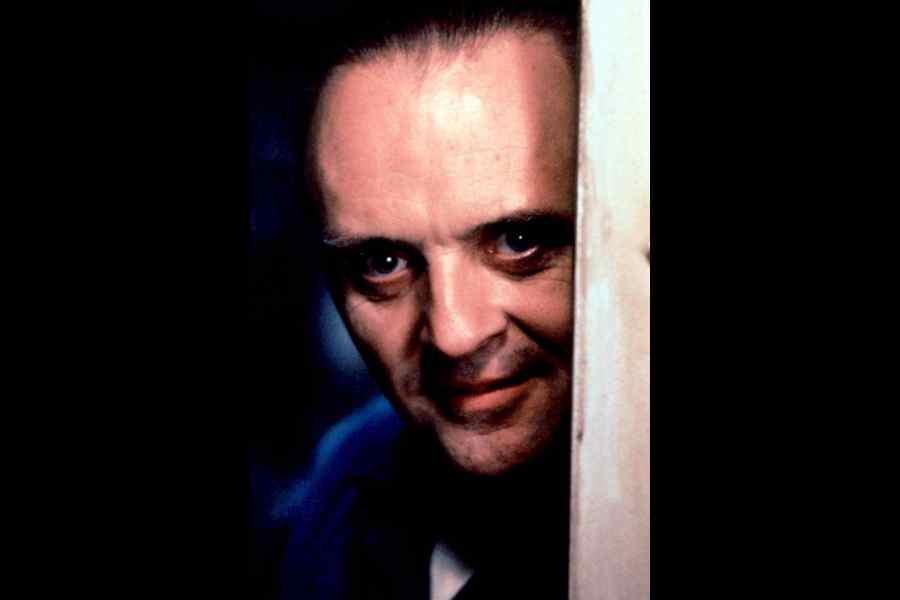
While preparing to play Hannibal Lecter, arguably one of Hollywood’s grisliest villains, Anthony Hopkins was sounded out by the director, Jonathan Demme, on how he wished to appear in the first shot in which Clarice Starling (played by Jodie Foster) comes to meet him in his cell. Hopkins’ answer was unsettling: “Standing calmly, waiting for her", he said, adding, “Because I can smell her coming down the corridor.” Such fascinating, behind-the-scenes anecdotes make the cinematic life story of Hopkins — who has played an extraordinary range of historical figures like Hitchcock, Hitler, Nixon, Picasso, Pope Benedict XVI as well towering literary characters such as Macbeth, King Lear, Marc Antony, Dysart and Abel Magwitch — a delight for cineastes.
We Did Ok, Kid unfolds episodically, circling back to certain moments while skipping past others. Hopkins begins his narrative from his formative years at Port Talbot, Wales, where he was labelled by kids on the streets as “Elephant Head”. His stint at the boarding school at Cowbridge, where he was jeered as a “hopeless Welsh boy”, his first brush with acting at YMCA, to cracking the Cardiff scholarship, then joining the Royal Academy of Dramatic Art and eventually the National Theatre figure in this telling. Hopkins attributes his survival mechanism of a terrible childhood to “dumb insolence” wherein he would show no reaction to abuse or criticism. This defence mechanism would later become the emotional reservoir that he would tap into for playing men of menace and authority.
It is in his accounts of theatre that Hopkins appears fully engaged. He discusses the Stanislavski method at length but concedes that his own approach sometimes relied on intuition. He describes the terror of replacing his mentor, Laurence Olivier, in The Dance of Death, recalling the theatrical ambience as a place where the craft was treated with military seriousness. These years shaped his lifelong belief in preparation, discipline, and script — principles that would underpin his success. However, he confesses that he enjoys doing films more and “felt at home” in New York and in Hollywood.
Celebrity memoirs often arrive with the promise of revelations, but Hopkins resists that urge. He is all praises for his “hero”, Richard Burton, his co-actors like Katharine Hepburn, Emma Thompson, Foster, but refuses to share details about his infamous feud with Shirley MacLaine. The memoir does not shy away from the darker consequences of his intense character and his engagement with his craft. Hopkins writes candidly about his alcoholism, how the pressures of his own temperament and isolation exacerbated his dependence on it. He also confronts the personal costs of his career, particularly his two failed marriages, without resorting to easy absolution. Central to the memoir is Hopkins’ complicated relationship with his father, whose emotional coldness left a deep imprint on him.
Hopkins’ detached relationship with success is best summed up in the title that seems like a murmured reassurance of the 88-year-old to a younger, wounded version of himself.