
Patna, April 13: The Bihar government has announced a plan for the toddy-tapping community in what political pundits said was a deft move that would carve out a fresh vote bank for chief minister Nitish Kumar.
The state government will provide licences to tap neera (unfermented palm/ date/coconut sap) free of cost, but the licences will be given only to those who climb the trees for it.
The licences will mention the number and location of trees the person climbs. The government will also provide social security cover and insurance against accidents to the licence holders. They will be allowed to sell neera without any restrictions across the state, or process it into jaggery, sugar and other products.
Those who want to move away from their traditional occupation will be given opportunities to avail loans up to Rs 1 crore, which the state industries department would facilitate. "We are making efforts not only to provide alternative employment opportunities to the people who were previously engaged in the toddy business for livelihood, but also to provide a better standard of living," industries department principal secretary S Siddharth said.
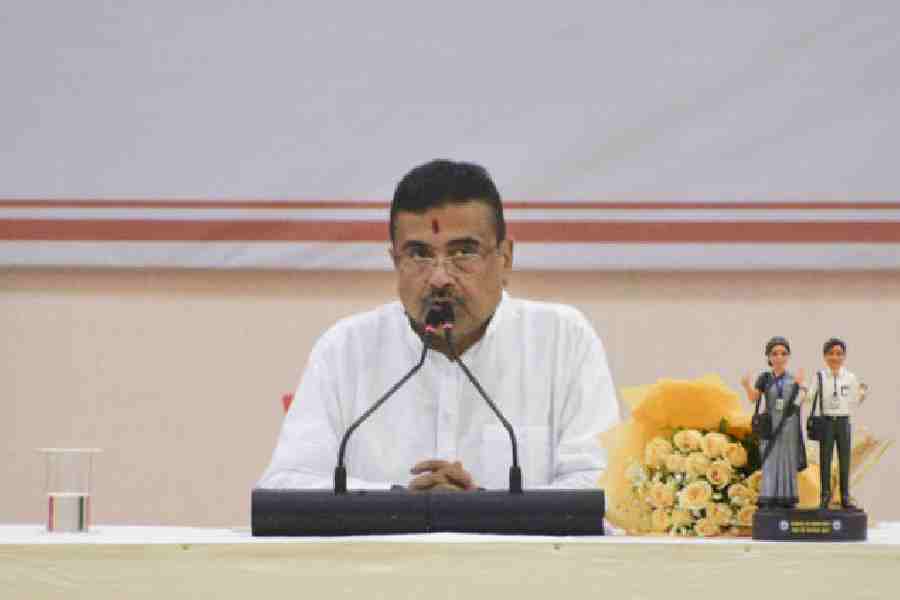
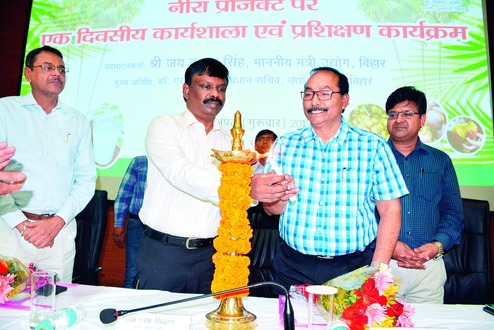
He announced the measures while inaugurating a daylong workshop on the "Neera project" in Patna today to train members of the Pasi community on how to tap palm sap and store it so that it doesn't ferment or become contaminated. Excise commissioner Aditya Kumar Das was also present.
"The government wants to help them (toddy-tappers) if they want to move to other professions or businesses," Siddharth said.
Those who climb palm trees to tap toddy mostly hail from the Pasi community, which is a Scheduled Caste.
According to the Akhil Bharatiya Pasi Samaj (ABPS), around 40 lakh people - the figure could not be independently verified - in Bihar are part of the toddy-tapping community.
When Nitish clamped total prohibition on April 5, 2016, somehow the impression went out that toddy has also been banned though it was not. This led to widespread agitations by Pasi groups.
The chief minister later clarified that toddy would be banned from the next financial year, i.e. 2017-18, and only after alternative livelihood arrangements for toddy-tappers are put in place.
Toddy was finally banned through the Bihar Prohibition and Excise Act, 2016, which came into effect from October 2, 2016. By that time the toddy season was practically over so no agitation happened.
The government pushed ahead with its neera plan and things are being put in place for the toddy season that has now started.
"At first the Pasis, who are socio-economically among the weakest sections in the society, had opposed the 'ban' citing loss of livelihood," said a senior professor of AN Sinha Institute of Social Studies who did not want to be identified.
"Some political parties had tried to exploit their sentiments. But Nitish not only deftly overcame the issues, he also promised them better employment opportunities and kept his word. He will surely have immense electoral benefits of this move."
The government has also set up four neera processing plants at Hajipur (Vaishali), Khijarsarai (Gaya), Biharsharif (Nalanda) and Barari (Bhagalpur), with capacity to process 10,000 litres daily.
"Our aim is to promote local consumption of neera and jaggery or sugar made from it," Siddharth said. "The unsold sap would be lifted for processing plants. We are working out the rates that would be given to the tappers."
The ABPS is demanding a rate of Rs 50 per litre. Industries department officials said these plants will start production in a couple of weeks.
According to an agriculture department survey, there are around 1.3 crore palm trees (including date and coconut trees) in the state, and each tree can produce up to 10 litres of neera daily.