|
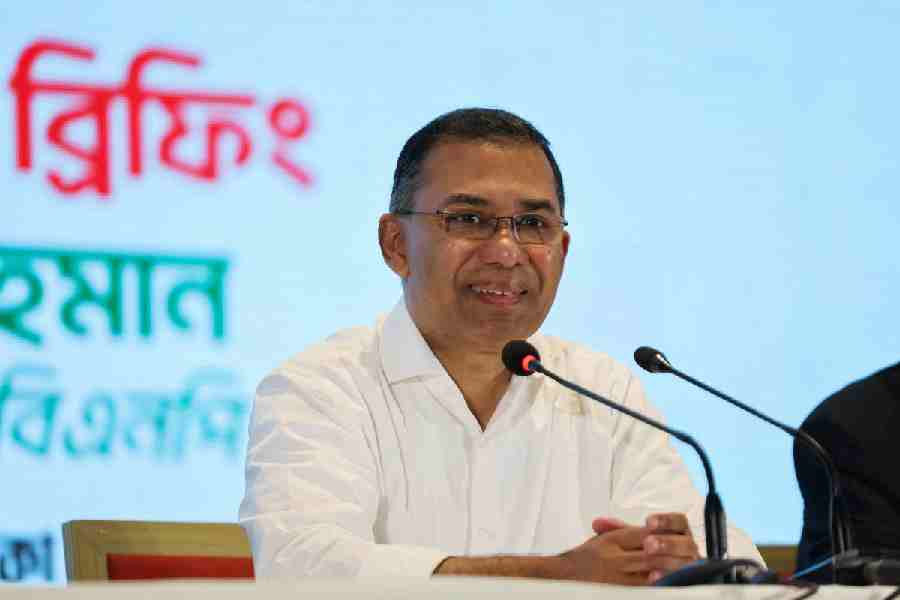
| A speaker addresses the hearing in Patna on Sunday. Picture by Ranjeet Kumar Dey |
Dharmendra Das, a 30-year-old driver, had to pay with his life for defying the diktat of his employer Binod Tiwary, the owner of an Aurangabad-based hotel.
Das was allegedly tied to a pillar with a rope, nails pierced into different parts of his body and assaulted with an iron rod till he fell unconscious. As if this was not enough, his tormenters pierced a hot rod into his private parts, proving fatal for Das, a member of the Scheduled Caste from Pateya village in Aurangabad district, around 150km southwest of Patna. Allegedly, the accused offered him liquor when he asked for drinking water.
To make matters worse, the police did not use relevant sections of the Scheduled Caste and Scheduled Tribe (Prevention of Atrocities) Act, 1989, in the FIR (No. 176/09). Das died on October 11, 2009, and a petition was submitted to the state human rights commission (SHRC) by his mother Radhika Devi the same year. However, justice still eludes the deceased’s family.
Das’s case of alleged torture and subsequent death was raised before the jury members of the Human Rights Law Network (HRLN) Tribunal, which conducted public hearing on status of the cases related to human rights violations in Bihar in Patna on Sunday. The tribunal would submit its report to the Union government, making certain recommendations.
Justice (retired) Kishori Ram, former IPS officer Ram Jag Ram, Sudha Varghese, SHRC member Justice Rajendra Prasad and senior journalists Sukant Nagarjun and Surendra Kishore were present to hear cases.
Das’s case was among 36 such cases heard by the rights tribunal.
The tribunal was shocked to learn the plight of the sacked associate professor at Indira Gandhi Institute of Medical Science. She pleaded her case before the tribunal and narrated her tale of woes. “I am fighting against the institute’s influential director, who initiated action against me after I opposed his attempts of sexual harassment,” she told the tribunal.
She lamented that she took up the case with the judiciary, public forum and higher-ups in the state administration but nothing has happened so far.
“I hope the tribunal would come forward to help a girl, who with her bright academic career is fighting a lonely battle in a state she does not belong to,” added the woman from Bengal.