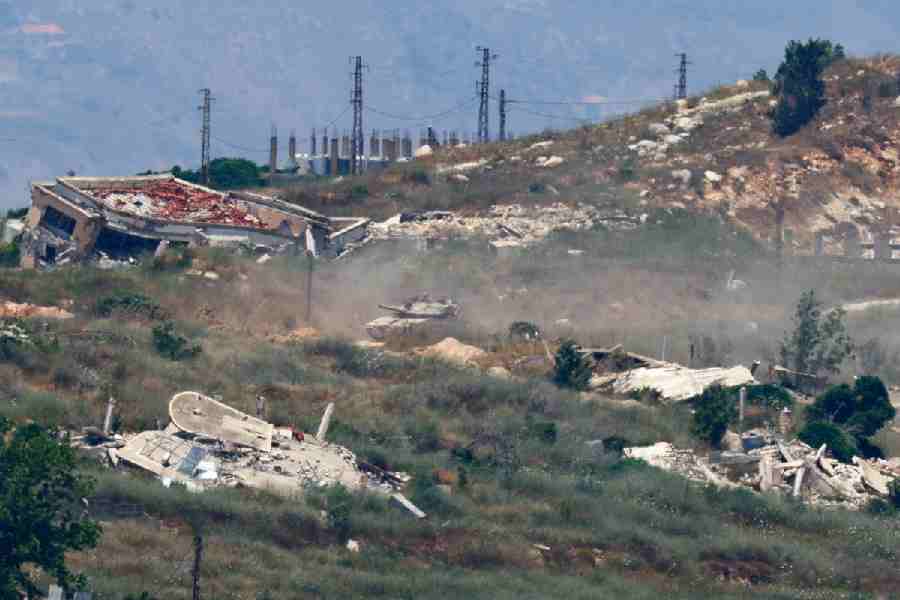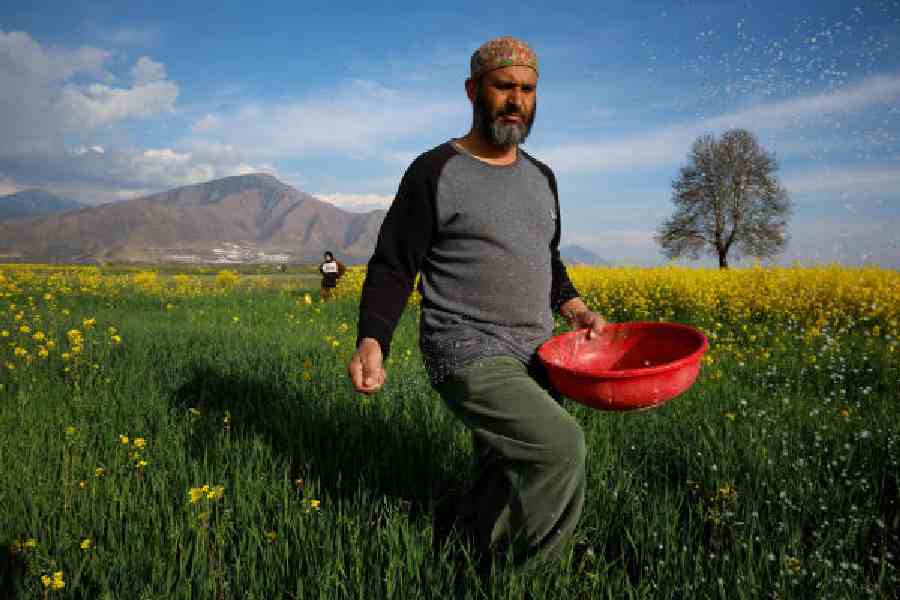
One of the biggest economic casualties of the US-led war in Iran has been the global fertiliser supply.
Shipments of it have piled up on the wrong side of the Strait of Hormuz. In India, Algeria and Slovakia, fertiliser plants have shut down or slowed their output because of rising natural gas prices. China has restricted fertiliser exports. Australian wheat farmers are planting less, and corn and soy farmers in the US are begging President Donald Trump for relief.
Much of the concern about economic disruptions stemming from the Iran conflict has centred on the higher price of oil and natural gas. But the cascading effects of the conflict on fertiliser supplies are growing worse by the day, raising prices for farmers globally and threatening to lead to food insecurity in some parts of the world.
Most fertiliser is made using natural gas. As a result, West Asia is a key global producer of the commodity, second only to Russia. Nearly a third of the world’s fertiliser is shipped through the Strait of Hormuz, and many other countries that produce their own fertiliser, like Egypt and Thailand, often do so using natural gas from West Asia.
Deepika Thapliyal, a fertiliser specialist at Independent Commodity Intelligence Services, a market information provider, said that the disappearance of such a large portion of the world’s supply had led to a “very big jump” in fertiliser prices. That was leading to ramifications globally, she said, with major agricultural producers like India facing potential shortages.
The consequences have been far-reaching, impacting farmers in countries including the US and Brazil who rely on imported fertiliser. Thapliyal said those farmers are likely to face higher prices and could be forced to pass those on to their customers. Adding to the pressure: Russia, another major fertiliser producer, was being hampered from stepping in because of drone strikes on its factories and ports from its own yearslong war with Ukraine.
“It’s inevitable that food prices will go up,” she said.
The World Trade Organisation (WTO), in a report last week, also warned about the risks to the food supplies of many countries. Persian Gulf states could also face food shortages, given their high dependence on imports for products like rice, corn, soybeans and vegetable oil, the WTO said.
In her opening remarks at a WTO conference in Cameroon on Thursday, Ngozi Okonjo-Iweala, the organisation’s director-general, said that the conflict had “destabilised trade in energy, fertiliser and food” at a time when governments were already struggling with geopolitical and trade tensions as well as climate pressures.
“It is no secret that the world trading system is experiencing the worst disruptions in the past 80 years,” she said.
The blockages in trade are also threatening supply shortages for other key industries that depend on West Asia.
That includes aluminum, which is used by makers of cars, airplanes and many other products, and helium, which is needed to make semiconductors. The UAE, Bahrain, Qatar and Saudi Arabia all export aluminum, the production of which is energy-intensive, while Qatar is also a significant supplier of helium.
New York Times News Service