
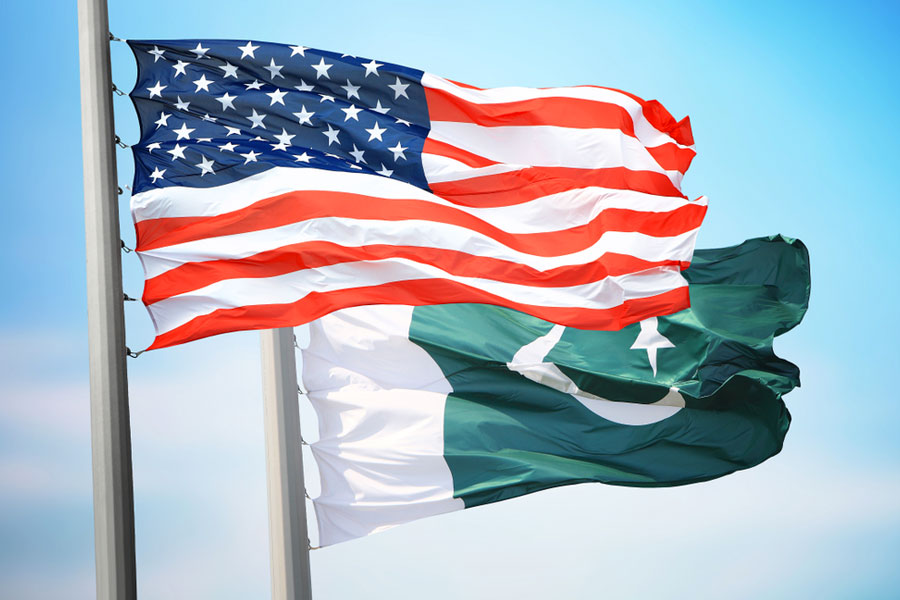
Worried about surging oil prices and caught off guard by the resilience of the Iranian regime, the White House pressed Pakistan to step in as an intermediary to secure a temporary ceasefire with Tehran, the Financial Times reported on Wednesday.
For weeks, the Trump administration leaned on Islamabad to persuade Iran to agree to a pause in hostilities that would allow the reopening of the Strait of Hormuz, the report said, citing “people familiar with the talks”.
“Pakistan’s crucial role, as a Muslim-majority neighbour and intermediary, was to sell it to Tehran,” the report said.
US President Donald Trump on Tuesday announced that he had agreed to a two-week ceasefire with Iran, a proposal put forward by Pakistan.
According to the report, Trump — concerned about rising oil prices and surprised by Iran’s staying power — had been pushing for a ceasefire since at least March 21, when he first threatened to “obliterate” Iran’s power plants, citing five people familiar with the Pakistan-led back channel.
Pakistan’s Chief of Army Staff Field Marshal Asim Munir and other senior officials began relaying messages between Iranian political and military leaders and the White House soon after Trump issued his initial ultimatum to reopen the strategic waterway.
Munir also held a series of calls with top US officials, including Trump, Vice President J D Vance and special envoy Steve Witkoff, as Washington escalated pressure and set an April 7 deadline, the report said.
“The US and Pakistan believed Iran was more likely to accept the US-backed offer if it was delivered by a Muslim-majority neighbour state that had emphasised its neutrality throughout the conflict,” the report said.
Prime Minister Shehbaz Sharif later made the two-week proposal public on social media after Munir spoke with Iranian Foreign Minister Abbas Araghchi.
Sharif, who presented the plan as Pakistan’s initiative, inadvertently included a subject line at the top of his post: “draft — Pakistan’s PM message on X”, the report added.