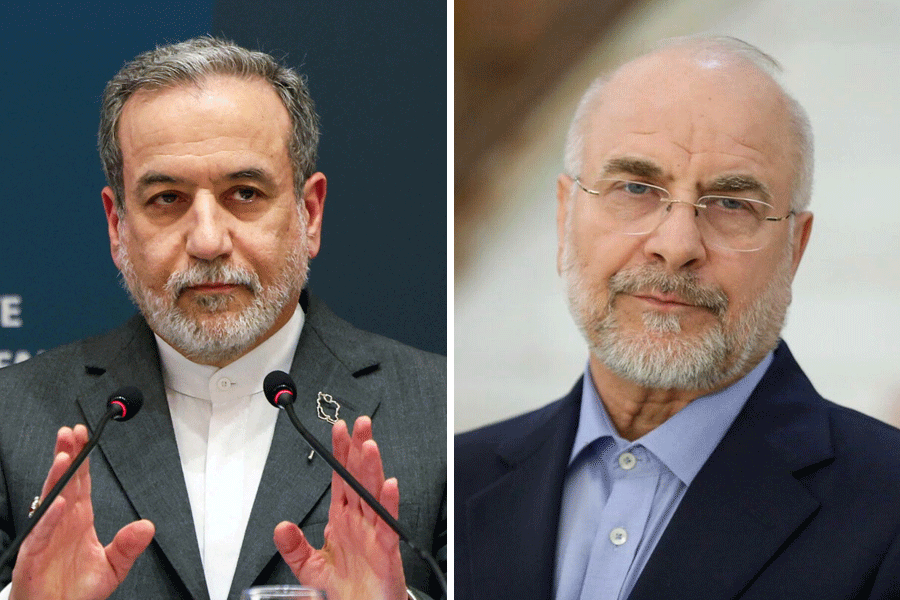
Israel took Iranian foreign minister Abbas Araqchi and parliamentary speaker Mohammad Baqer Qalibaf off its hit-list after Pakistan requested Washington not to target them, a Pakistani official told Reuters on Thursday.
"The Israelis had their ... coordinates and wanted to take them out, we told the US if they are also eliminated then there is no one else to talk to, hence the U.S. asked the Israelis to back off," the official said.
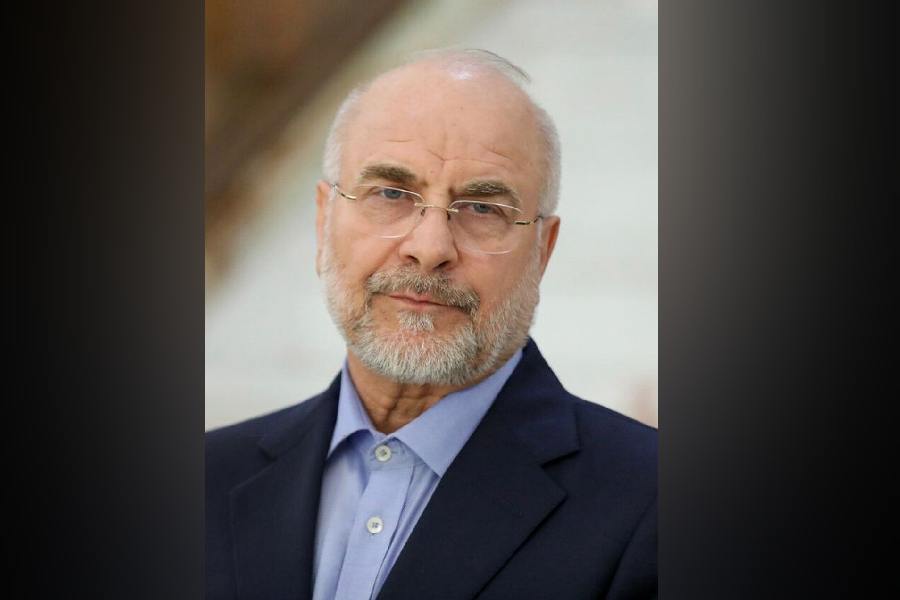
The development shines further light on Islamabad’s emergence as a key player in the conflict that has gripped the world.
Using Pakistan as an intermediary, Washington has delivered to Iran a 15-point ceasefire proposal, which includes the reopening of the Strait of Hormuz.
“The 15-point plan (to end the war) was delivered via Pakistan, whose army chief has emerged as the key interlocutor between the United States and Iran, officials say,” The New York Times had reported earlier this week.
The US maintains negotiations are ongoing but Iran says there are no talks
Trump, speaking at a fundraiser Wednesday night in Washington, insisted that Iran still wants to cut a deal. "They are negotiating, by the way, and they want to make a deal so badly, but they're afraid to say it because they figure they'll be killed by their own people," Trump said.
Iran's foreign minister Araghchi said in an interview on state TV, however, that his government has not engaged in talks to end the war, "and we do not plan on any negotiations".
Araghchi said the US had tried to send messages to Iran through other nations, "but that is not a conversation nor a negotiation".
Press TV, the English-language broadcaster on Iranian state television, said Iran has its own five-point proposal, which includes "sovereignty over the Strait of Hormuz".
The New York Times claimed Iranian officials have “nevertheless signaled privately that they were open to negotiations. Late Tuesday, they said that Iran was considering meeting U.S. negotiators in Pakistan over the next week to discuss Mr Trump’s proposal but would not entertain talks about a temporary cease-fire.”
Iran's grip on the strait and relentless attacks on Gulf regional energy infrastructure has sent oil prices skyrocketing and concerns of a global energy crisis surging. Brent crude, the international standard, traded at $104 early Thursday, up more than 40 per cent from the day the war started.
"To make it crystal clear, this war is a catastrophe for world's economies," German defence minister Boris Pistorius told reporters during a visit to Australia.