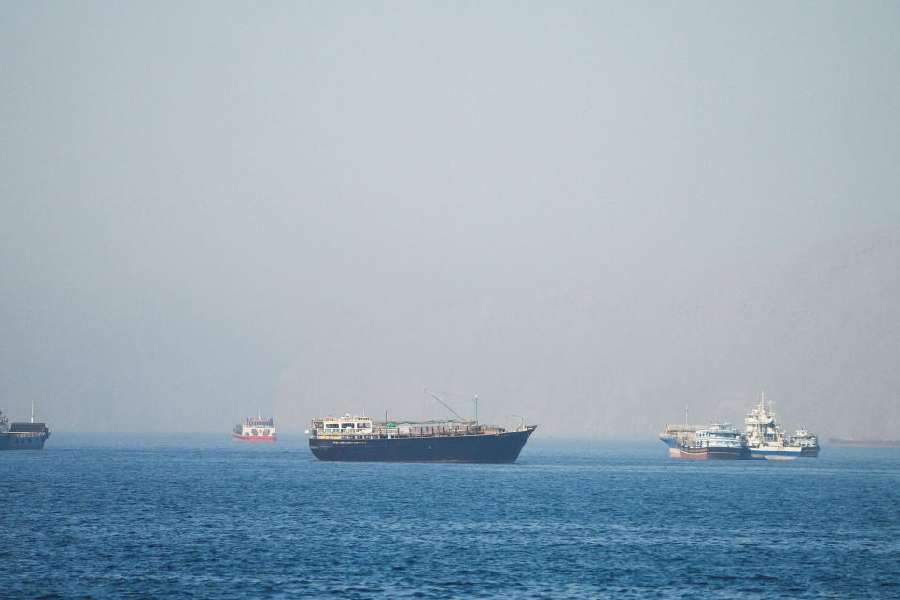
It took only a few days of Iranian attacks before the Persian Gulf states, which have long relied on American security guarantees, decided they needed more help.
Despite the presence of major US bases, or because of them, Iran fired a barrage of missiles and drones at the Gulf. And the costly American-made interceptors these nations relied on were in short supply globally.
So Saudi Arabia reached out to Ukraine, a nation with experience fending off Russian drones modelled on Iranian ones. The United Arab Emirates got help from France and Australia. And several Gulf governments asked Italy to provide anti-drone and antiaircraft systems.
The Gulf’s authoritarian leaders, close American allies, have long questioned the value of their American security guarantees. Now, they are in the cross hairs of
a regional war that their ally, the US, started. And complaints about the limited value of American protection are growing louder.
“The Gulf countries are expressing very strong concerns about the evolution of the crisis and have expressed the need to urgently strengthen their defence capabilities,” Italy’s defence minister, Guido Crosetto, told lawmakers in his country last week.
The foreign minister of Oman, Badr al-Busaidi, told local journalists last week that it was time for the Gulf countries to reconsider their defence strategies, pointing to a growing debate in the region, Oman Daily newspaper reported.
All of the Gulf countries have security partnerships with the US. Saudi Arabia, Qatar, Kuwait and Bahrain are designated as “major non-Nato allies”, while the Emirates is designated as a “major defence partner”. Bahrain and Qatar have also received additional defence pledges from the US.
A White House spokesperson, Anna Kelly, defended the war as necessary to ensure the safety of US allies in the Gulf, among other reasons. The frequency of Iranian drone and ballistic missile attacks had decreased by more than 90 per cent since the war began, evidence that the war was “crushing their ability to shoot these weapons or produce more”, she said.
“President Trump is in close contact with our partners in the Middle East, and the terrorist Iranian regime’s attacks on its neighbours prove how imperative it was that President Trump eliminate this threat to our country and our allies,” she added.
US President Donald Trump has described the campaign as an effort to unseat the Iranian regime. While that goal may theoretically be attractive to some of the Gulf countries that view Iran as a persistent threat — chief among them Saudi Arabia — they nonetheless lobbied President Trump ahead of February 28 to choose diplomacy over war.
They worried that successful regime change was not feasible and that a failed state in Iran would become a disaster for them. They also feared that Iran’s retaliation would rain down on them, endangering their reputations as safe havens and chasing away investors.
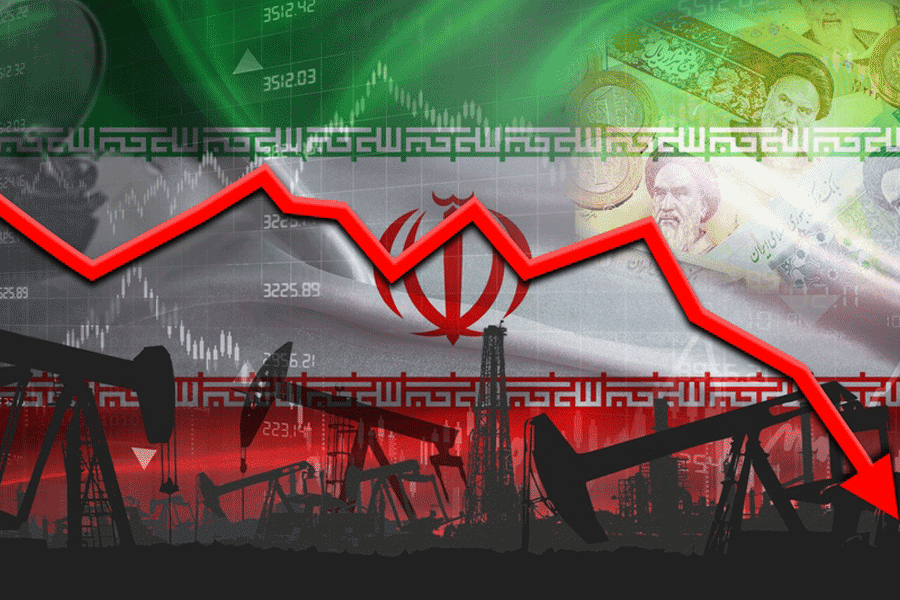
Since the US-Israeli bombing campaign began on February 28, more than 1,300 civilians have been killed in Iran, according to the country’s UN representative. Iran has retaliated by firing more than 3,000 missiles and drones at the six Gulf states.
Trump has repeatedly stated that no one could have foreseen this outcome — even as regional scholars, Iranian officials and news articles had warned of exactly that.
“There was no expert that would say that was going to happen,” Trump told reporters at the White House on Monday. “And if we did know, big deal. We have to do what we have to do.”
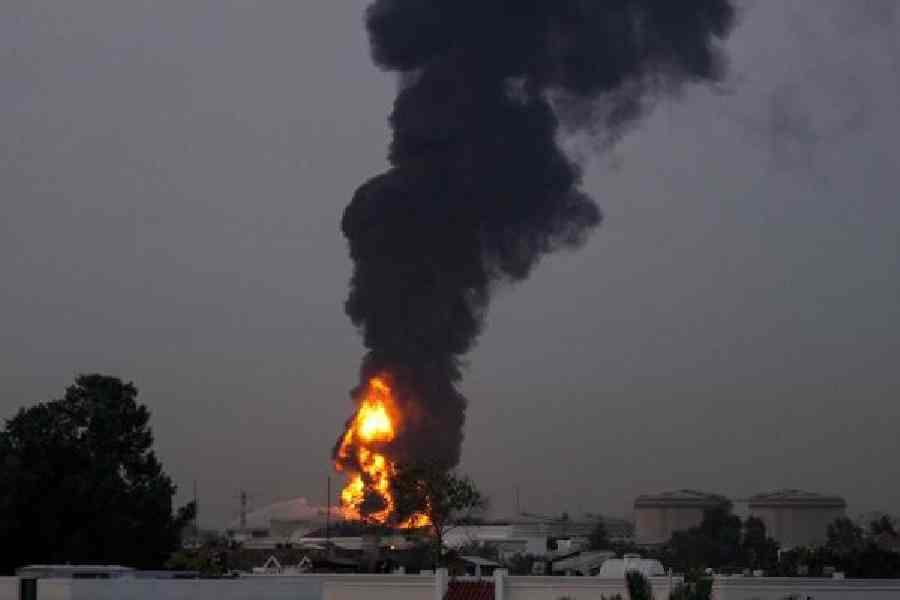
Iranian officials say that they are targeting American military installations and other American interests. The attacks have also caused widespread damage to civilian infrastructure in the Gulf, including airports, hotels and a water desalination plant. They have killed at least 15 civilians around the Gulf, mostly migrant workers.
“It’s becoming more and more clear that what is guaranteed is that there are no guarantees,” said Abdulaziz Alghashian, a Saudi scholar and senior nonresident fellow at the Gulf International Forum, a research organisation.
New York Times News Service