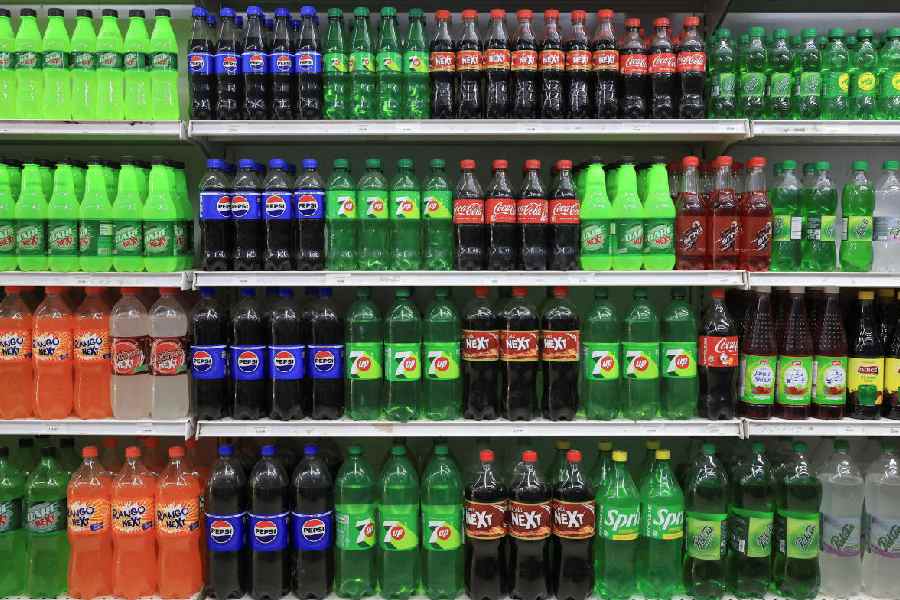
Germany plans to impose a levy on sugary drinks from 2028, under a healthcare reform package approved on Wednesday, as it aims to rein in rising rates of obesity to ease pressure on the health system.
The expected annual revenue of 450 million euros ($527 million) from the surcharge will fund disease prevention and health promotion schemes.
Details of the levy, including the rate, are still under discussion.
The German sugar industry lobby on Wednesday condemned the plan, saying more expensive sugar had not reduced the proportion of overweight people in any country.
The move is in line with recommendations by the World Health Organisation, which has urged countries to raise prices of sugary drinks, alcohol and tobacco by 50 per cent over the next 10 years through taxation.
A Forsa survey published in February showed around 60 per cent of Germans support a levy on sugary soft drinks.
Prevention of diseases
Britain introduced a similar sugar tax ten years ago and last year extended it to pre-packaged milk-based drinks.
The WHO says that over 100 countries tax sugary drinks.
Studies in Britain and Mexico have shown such measures can cut sugar intake and help prevent diseases like diabetes.
The German government proposal, which requires widely expected confirmation by parliament, follows mounting public and cross-party support for stricter measures against excessive sugar consumption.
Daniel Guenther, state premier of Schleswig-Holstein who initiated the proposal, told Reuters in March that "too much sugar makes people ill," and strained healthcare and the economy.