In a major step to protect Jalpaiguri from floods and waterlogging, the state irrigation department has invited tenders to dredge the Karala river which flows through the town "at no cost".
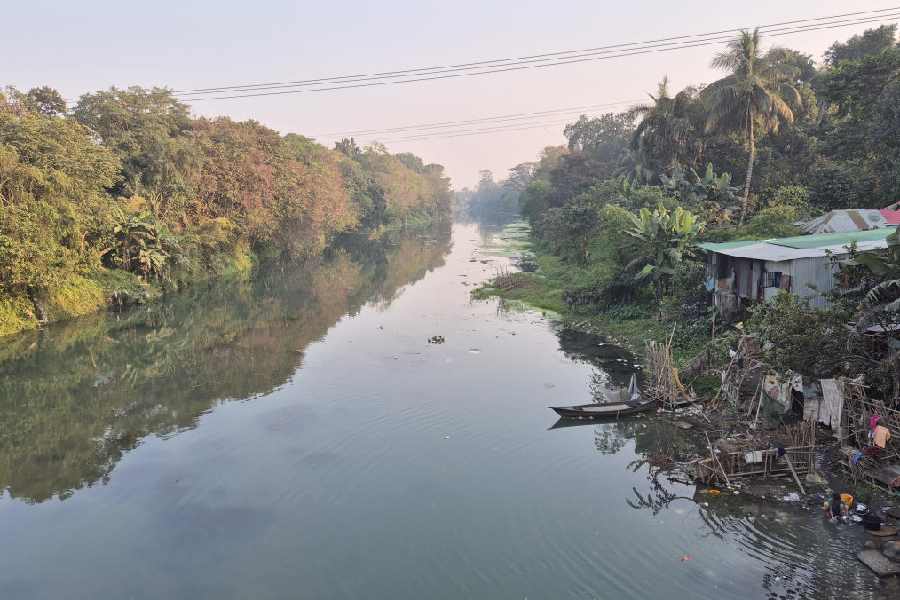
According to official sources, dredging will be carried out along a 15-kilometre stretch of the river, from within the town up to the confluence of the Teesta and Karala.
The work is scheduled to begin in February and is expected to be completed within the next six months.
Manas Bhunia, the Bengal irrigation minister, claimed the dredging initiative to ensure proper drainage and flood management in Jalpaiguri would not burden the state coffers.
“The aim is to control flooding in the city and maintain a smooth drainage system. The dredging will be carried out without spending a single rupee from the state government,” he said over the phone.
The state irrigation minister had earlier requested the district administration to undertake dredging, but the administration reportedly expressed its inability to do so.
However, the department has now floated tenders for dredging through a specialised agency, without any financial burden on the government.
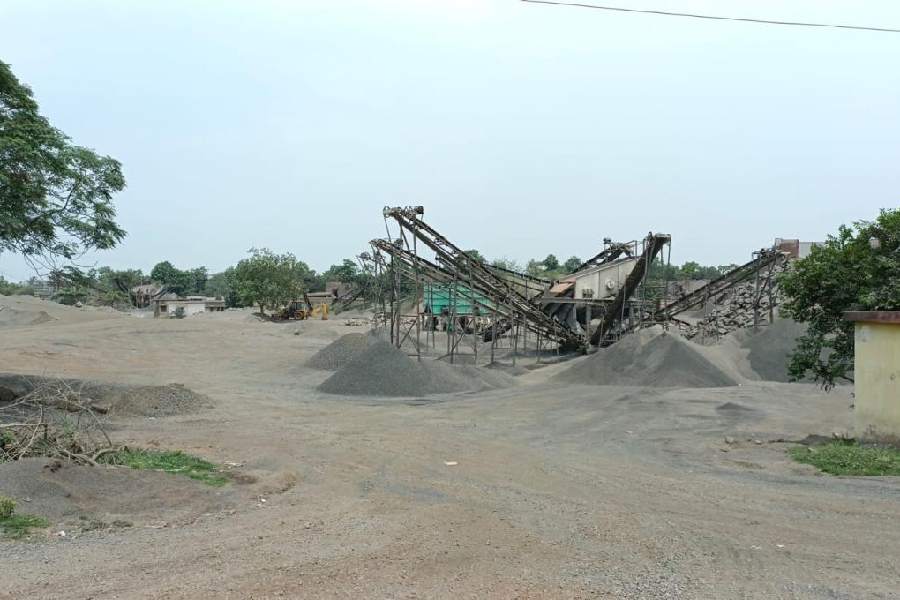
In return, the selected agency will pay royalty to the government on a per-cubic-foot basis for the sand and soil which would be extracted from the river.
The dredging will cover the river’s stretches passing through NH-27 near the Jalpaiguri Government Engineering College, areas of Arabinda, Paharpur, Kharia and Mandalghat panchayats and the Jalpaiguri civic area, sources said.
Officials of the department said a total of 1,27,730 cubic metres — around 45.1 lakh cubic feet (CFT) — of soil and sand would be removed from the riverbed during the dredging process.
The initiative aims to improve flood control, drainage, and overall water flow in the town, while also generating government revenue at no cost to the state exchequer.
The Karala river, which is also compared to the Thames in London, is the principal channel to carry domestic wastewater and accumulated rainwater away from the city.
However, during the monsoon, many areas in Jalpaiguri —including Samajpara, Paresh Mitra Colony, Pabitrapara, Hospitalpara, Dinbazar, Senpara, and parts of Babupara —get inundated as the river spills over its banks.
“As the riverbed has risen, the river is not able to hold the excess water during rainfall in its catchments, causing the flooding. It was a longstanding demand of Jalpaiguri residents that the river be dredged. It seems that the state irrigation department has finally taken the initiative,” said Jatiswar Bharati, a geographer based in the town, who also hoped that the work was done soon.
Bharati cautioned that authorities must also ensure that untreated sewage, industrial waste, pesticide-laced runoff from tea gardens and plastic waste did not continue to pollute the river.