A fresh hike in fuel prices has intensified concerns over rising living costs and shrinking household incomes. The widespread fear is that costlier fuel will push up transport and operational expenses across sectors, triggering a cascading increase in the prices of goods and services.
Delivery agents working for online aggregators, app-cab drivers and transport operators are among those bearing the immediate impact of rising fuel costs.
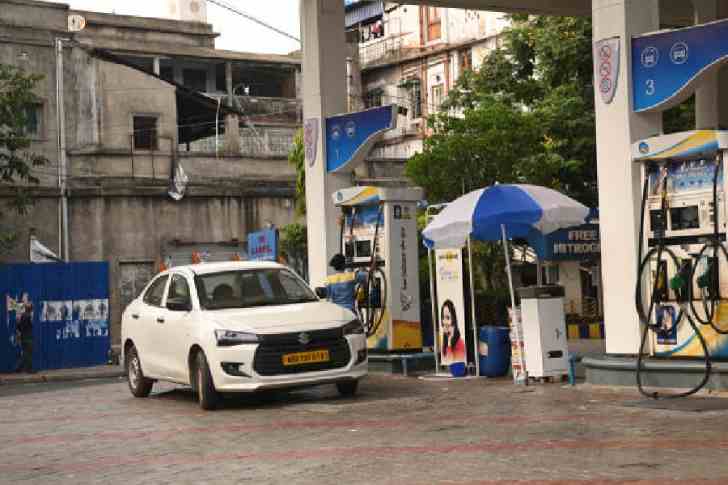
Bidyut Banerjee, 55, an app bike rider, requires around 2.5 litres of petrol daily to cover an average distance of 100km. Before May 15, he spent around ₹260 on fuel each day. On Sunday, the expense rose to ₹275.
“A rise of ₹15 a day means an additional ₹450 every month. It may not seem much, but my income from bike rides is not rising. At the same time, prices of essential items — from medicines to groceries — have gone up sharply. In such a situation, even ₹500 becomes significant,” Banerjee told Metro at a fuel station on Jatin Das Road near Vivekananda Park.
Banerjee lives in Garia with his elderly parents, wife and daughter, a Class II student.
Government-owned oil marketing companies increased petrol and diesel prices again on Saturday, taking the combined hike to around ₹5 a litre in less than 10 days, fuelling inflation fears.
Prices of both fuels rose by nearly 1%, or less than ₹1 per litre. Petrol is now being sold at ₹110.64 per litre and diesel at ₹97.02 per litre at Indian Oil Corporation outlets in
Calcutta.
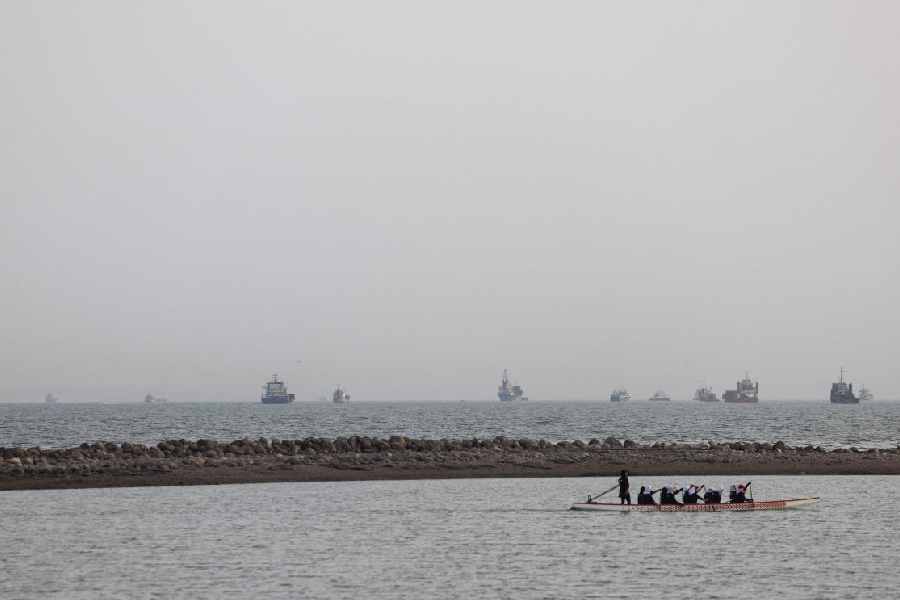
India, which imports 90% of its energy requirement, has been hit hard by the West Asia conflict as supplies shipped through the Strait of Hormuz, a key waterway, have been effectively blocked since the war began in February. Experts say oil prices may rise further if the government wants to cushion them from continuing losses.
The general public also fears further hikes in the coming days.
“The hike was put on hold because of the elections. Now, with polls over, the fuel prices are likely to increase even more,” said Diptimoy Guha, who works with an asset management company. Guha usually drives between his Salt Lake home and office near Jeevan Deep.
“I am now trying to shift to public transport. I take the (Green Line) Metro from Central Park to Esplanade and then take another Metro (Blue Line) to Maidan. I am also trying to cut down on some other expenses, like a dinner with family every weekend,” said Guha, 46.
On May 15, petrol had gone up by ₹3.29 a litre to ₹108.74, and diesel by ₹3.11 a litre to ₹95.13. While petrol and diesel prices were raised after four years, the government had already increased domestic LPG prices moderately (by ₹60 for a 14.2kg cylinder) and commercial gas prices astronomically (by over ₹1,300 for a 19kgcylinder).
A street food joint in New Alipore needs at least 20 standard 19kg commercial LPG cylinders per month. In January this year, the price of one cylinder was ₹1,795. With the delivery charge, it came to ₹1,900. Now, the same cylinder costs ₹3,202. With the delivery charge, it now costs around ₹3,300.
The owner, Seeraj Mullick, spent around ₹38,000 on cooking gas in January. Now, he has to spend around ₹66,000.
“I cannot increase the menu price significantly. The market is very competitive. I am bearing the bulk of the financial loss,” said the owner.
Auto LPG now costs ₹89.40 per litre in Calcutta. On March 1, the price was around ₹58 per litre.
“I need around 8 litres every day. It cost me just over ₹450 two months ago. Now, it costs around ₹700. But the fare on the route I operate in hasn’t been changed. With each passing day, sustaining a livelihood is turning more challenging,” said an auto driver who operates on the Behala Chowrasta-Rashbehari route.