Prime Minister Narendra Modi on Friday unveiled a set of “six guarantees” for Bengal, drawing a detailed rebuttal from Trinamool, which issued a “seven-point reality check” on the BJP’s claims.
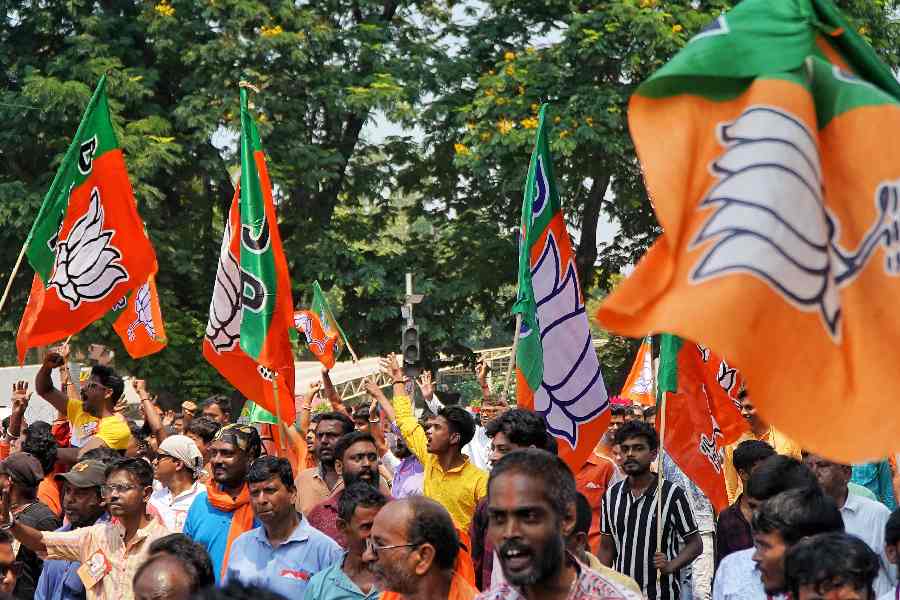
Addressing a rally in Haldia in Purba Medinipur district, Modi promised sweeping administrative and political changes if the BJP comes to power in the state.
He said a BJP government would replace what he termed an “atmosphere of fear” with “trust”, ensure that the administrative machinery is fully accountable to the public, and reopen files linked to corruption, crimes against women, and alleged injustices.
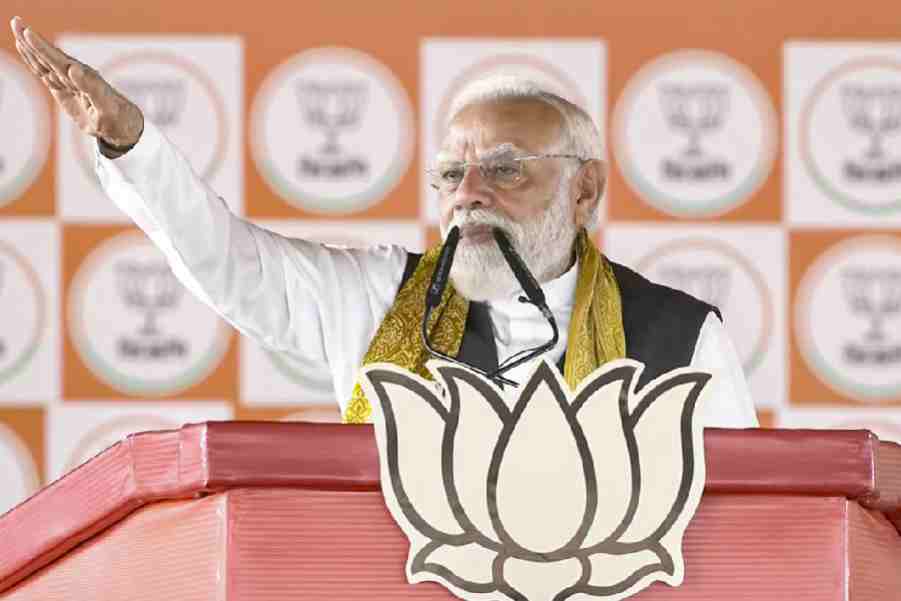
“I offer six guarantees to West Bengal,” the Prime Minister said, adding that all those involved in corruption would be sent to jail and that no “TMC goons” would be able to evade the law. He also accused the ruling party of pursuing “religion-based reservation” to secure its vote bank, and argued that the state’s progress depends on alignment between the Centre and the state government.
Citing the BJP’s performance in the 2021 Assembly elections, Modi pointed to Purba Medinipur, where the party had won 15 of 16 seats, and said the rest of Bengal was now following the district’s path.
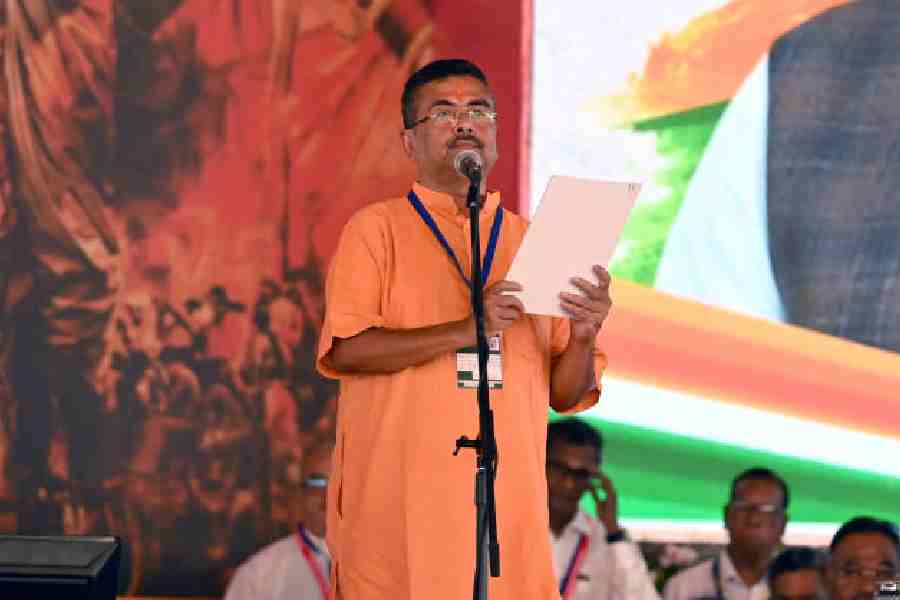
He said that the outcome of Nandigram in 2021, where leader of the outgoing Assembly Suvendu Adhikari defeated Chief Minister Mamata Banerjee, would be repeated in Bhabanipur, where the two are set to face off again.
At another rally in Asansol, Modi claimed that the state’s once-thriving industrial belt had declined under the TMC government. He said investment had “taken flight” and pitched the BJP’s “double-engine government” as the solution to revive industry. According to Modi, the Centre has allocated Rs 45,000 crore for the revival of industries in the region.
He also raised concerns over women’s safety, claiming that West Bengal ranks high in acid attack cases, and alleged that the state’s contribution to the national gross domestic product has declined over the years.
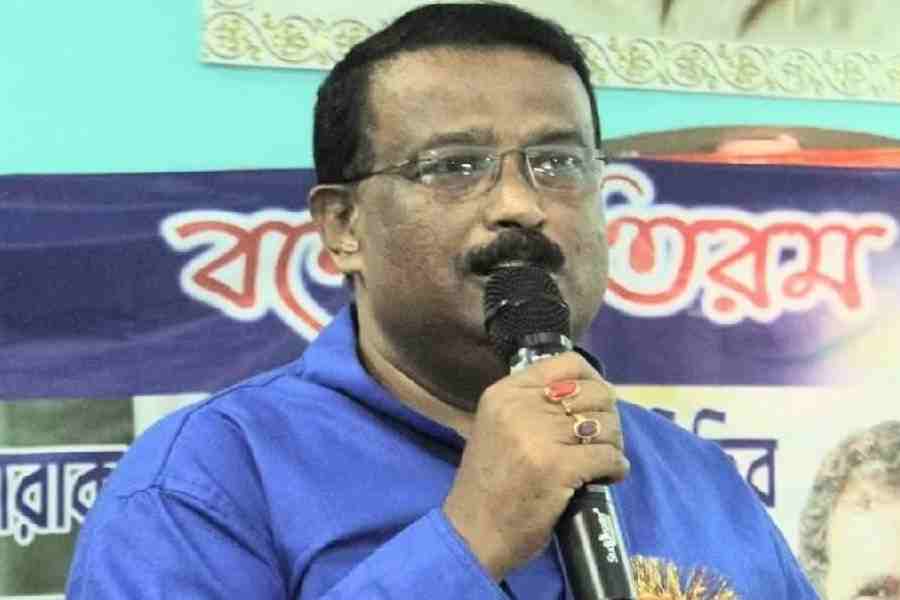
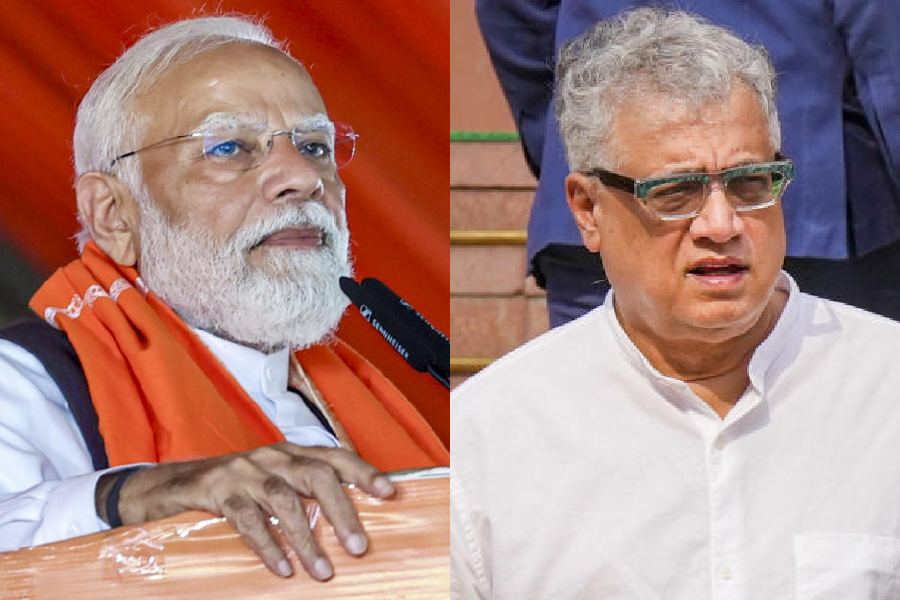
The TMC’s Rajya Sabha leader Derek O’Brien took to social media to challenge what he called seven key claims made by the Prime Minister.
“Let’s expose his seven claims and put out a seven-point reality check,” O’Brien said.
On the question of poverty and development, O’Brien said that India continues to have one of the largest populations living in poverty, citing data that suggests a significant proportion of Indians earn less than Rs 171 per day. He also pointed to findings by Niti Aayog indicating that 21 crore people in the country remain in multidimensional poverty.
Countering Modi’s criticism of West Bengal’s economic performance, O’Brien said the state’s gross state domestic product has increased fivefold over the past 15 years, while exports have also grown. He rejected the claim that industries were shutting down and workers were migrating out, instead highlighting a rise in the number of registered companies in the state.
According to O’Brien, the number of registered companies in West Bengal has increased from 1.37 lakh in 2011 to 2.50 lakh in 2025, marking an 83 per cent rise. He said this translated into an average addition of more than 7,500 companies each year, which he presented as evidence of industrial expansion rather than decline.
On employment, the TMC leader claimed that unemployment in Bengal has declined by 40 per cent and that more than two crore employment opportunities have been generated.
In contrast, he pointed to national data suggesting that a significant proportion of young people remain outside employment, education, or training, and that a large share of graduates are unemployed.
O’Brien also accused the Union government of failing to fill vacancies in its own departments, questioning its commitment to job creation. He further alleged that the Centre has withheld funds amounting to Rs 2 lakh crore that are due to West Bengal, a claim that has been a recurring point of contention between the state and the Centre.
The political sparring also extended to issues of law and order and women’s safety.
O’Brien cited official rankings that have placed Kolkata among the safest cities in the country for several consecutive years. He also referred to incidents in BJP-ruled states to counter the ruling party’s criticism.
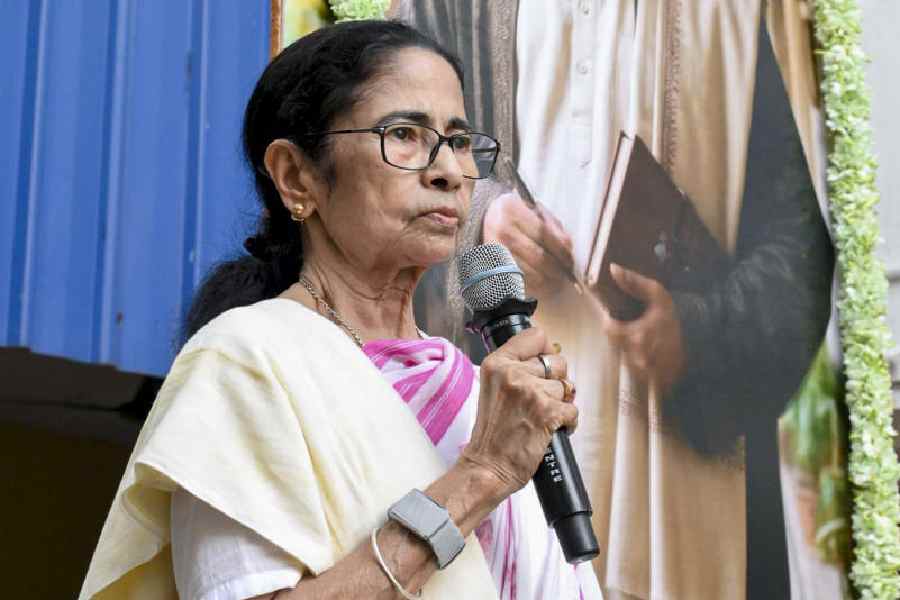
Addressing a rally at Minakhan, North 24 Parganas on Friday, Chief Minister Mamata Banerjee claimed that more than 90 lakh names have been deleted from voter rolls in an attempt to influence the outcome of the Assembly elections.
She said the TMC would move the courts to ensure that those names are restored.
Banerjee also accused the BJP of attempting to divide the state through delimitation and of targeting Bengali-speaking people in states governed by the party. At a separate rally in Palta, she further alleged that the BJP was paying people Rs 500 each to attend its public meetings.
The exchange of claims and counterclaims has also touched on sector-specific issues such as fish production, with Modi alleging that the state has failed to achieve self-sufficiency, and Banerjee rejecting the assertion as factually incorrect.
With both sides sharpening their rhetoric and presenting competing narratives on governance, development, and welfare, the battle for West Bengal is increasingly marked by direct confrontations over data, delivery, and political credibility, setting the stage for a high-stakes electoral contest.