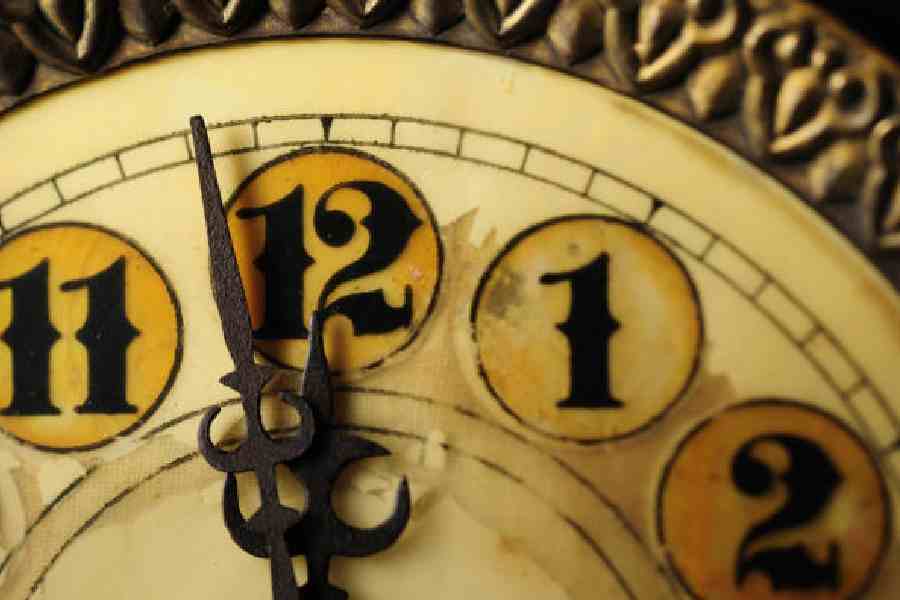
The Doomsday Clock, a metaphorical timepiece showing how close humanity is to destruction, is now 85 seconds from midnight. It is the grimmest outlook yet on our future from the clock’s creators, a nonprofit organisation and publication called the Bulletin of the Atomic Scientists.
Tensions between nuclear powers, failures in climate action, disruptive technologies like artificial intelligence and the rise of autocracy are among the reasons that the Bulletin’s experts in global security, climate and nuclear science cited for advancing it four seconds from last year.
“Catastrophic risks are on the rise, cooperation is on the decline and we are running out of time,” said Alexandra Bell, president and CEO of the Bulletin. “Change is both necessary and possible, but the global community must demand swift action.”
Anti-nuclear activists were paying attention to the Doomsday Clock — especially those working with survivors of the atomic bombings in Japan at the end of World War II.
“This is a warning that we need to take urgent action to avoid a global catastrophe,” Hideo Asano, coordinator of the Japan Campaign to Abolish Nuclear Weapons in Tokyo, said in an interview. “We should know that the risk of nuclear war is the highest since the end of the Cold War.”
The nuclear arms race between the United States and the Soviet Union was the primary concern when the clock was invented in 1947. At the time, the people involved with the Bulletin included Albert Einstein and some of the scientists who made the first nuclear weapons, including J. Robert Oppenheimer.
The clock was first set at seven minutes to midnight and has fluctuated throughout its nearly 80-year history.
Critics have dismissed the clock as a stunt based on subjective assessments. Others have said that its repeated warnings of total annihilation could become the public policy equivalent of the boy who cried wolf.
When the Cold War’s tensions rose, the clock’s hand moved forward. Intermittently, it was wound back — including when the two nuclear-armed superpowers showed signs of cooperation in the 1960s and when they signed a major arms-control treaty in 1991, a few months before the Soviet Union collapsed.
That year the clock showed the greatest distance to midnight, 17 minutes. It has ticked steadily closer since, aside from a reversal in 2010. More nuclear tests happened, including in Pakistan and North Korea. Countries failed to live up to their climate pledges.
Events from 2025 that the scientists said had informed this year’s Doomsday Clock setting include the Russia-Ukraine war, the conflict between India and Pakistan,
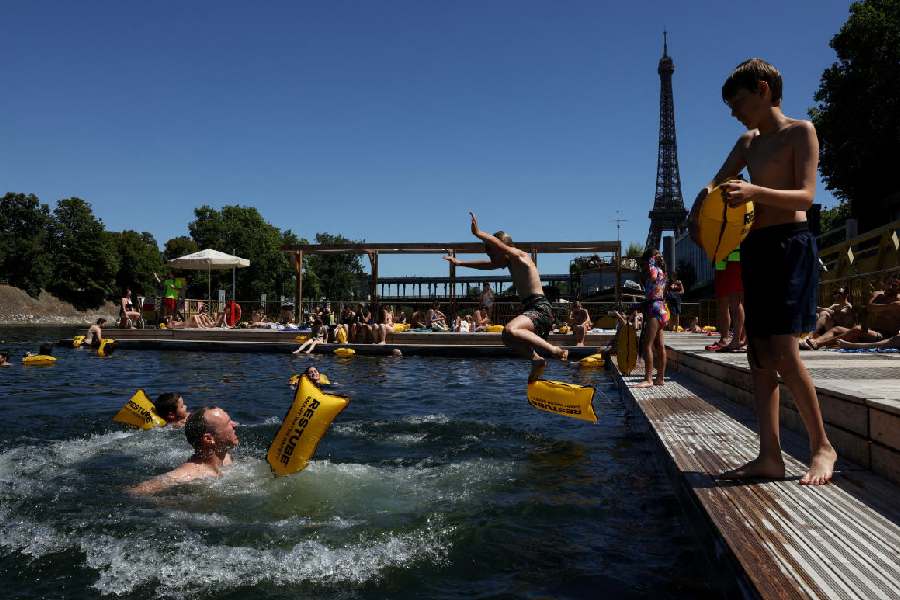
a global average temperature that was the third warmest on record, deadly weather events like extreme heat in Europe that killed tens of thousands, and the Trump administration’s dismantling of pollution and climate regulations, and public health infrastructure.
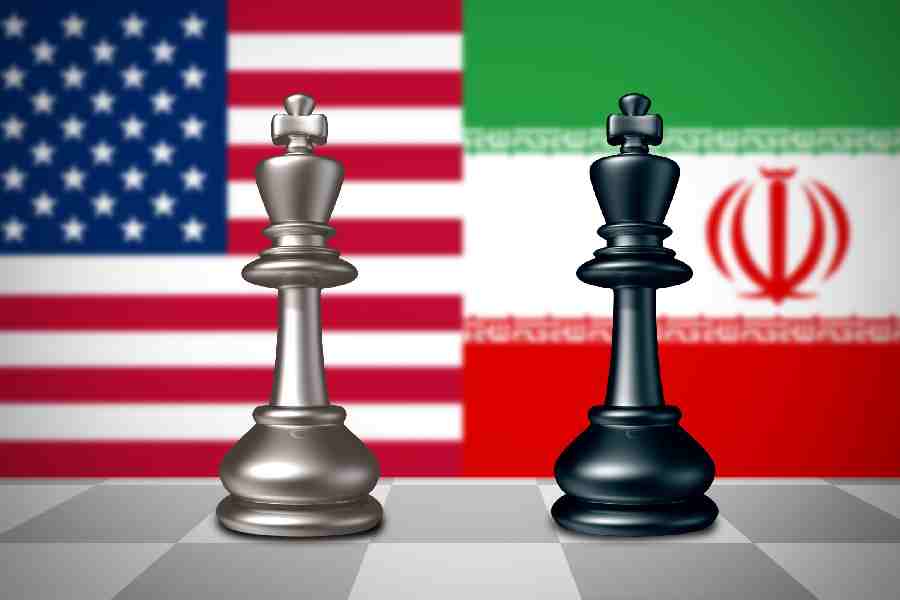
The Bulletin also cited the rise of “nationalistic autocracy” in countries around the world. It said that the leaders of the US, Russia and China varied in their autocratic leanings but all favoured competition over cooperation.
“The rise of autocracies is not in itself an existential threat but an us-versus-them, zero-sum approach increases the risk of a global catastrophe,” the group said.
Asano, the anti-nuclear activist, echoed the sentiment.
“We are also concerned by the fact that nationalism and unilateralism are growing,” he said. “We believe that unilateralism is not the solution to the existential global risks.”
NYTNS