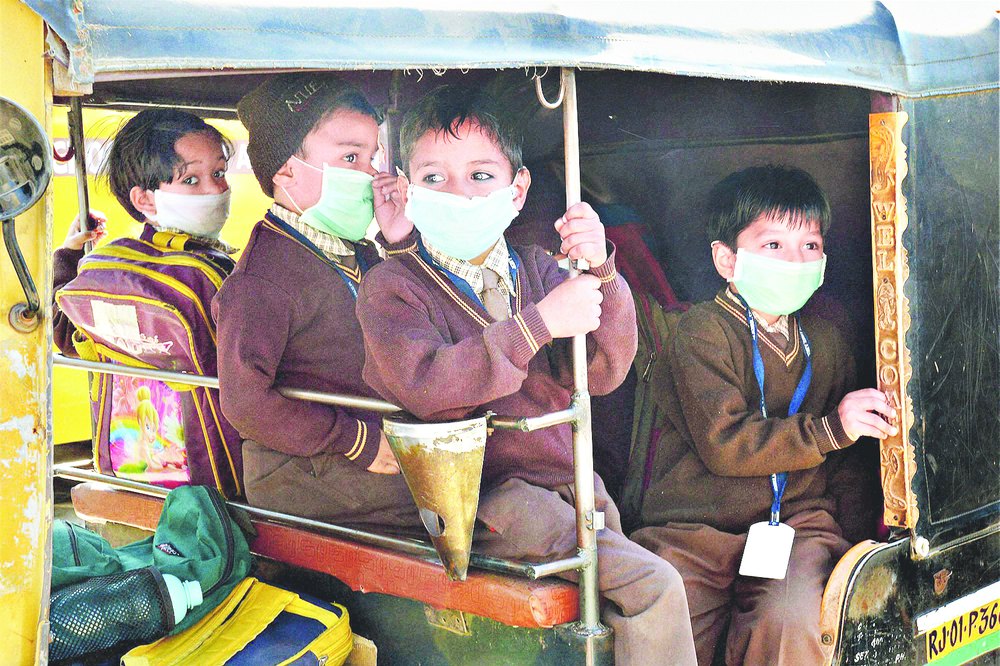

As many as 21 states in the country are reeling under the outbreak of the H1N1 (swine) influenza which has infected over 6,000 people and killed more than 400 since January this year. Swine flu is currently rampant in Rajasthan, Madhya Pradesh, Gujarat, Telangana, Maharashtra, Delhi, Karnataka and Tamil Nadu.
In the last one week, two cases of swine flu death have been reported from Calcutta hospitals and 22 cases of the disease identified in and around the city.
Health experts in India are worried. The death toll from the current outbreak of swine flu - called so because the virus was earlier seen to infect pigs - is much higher than ever reported in the past.
In 2009, the year in which it was first detected, it infected nearly 13,500 people worldwide but killed only 95. That year, there was only one case in India; more than 90 per cent of the cases were reported from Canada, Mexico and the US. But, according to the World Health Organisation, the H1N1 virus continues to be in circulation in many South Asian countries, including India, as indicated by sporadically reported cases.
"The death toll (from the current outbreak) is a cause for worry. Influenza is an airborne disease and highly transmissible from person to person," says Mandeep Chadha, an influenza expert at the National Institute of Virology (NIV), Pune.
Here is a ready reckoner on the dangers of swine flu and the precautions to be taken to keep it at bay.
- What is H1N1 flu?
It is respiratory disease caused by type A influenza viruses. It is called swine flu as it regularly occurs in pigs. While it normally occurs in people who are around pigs, you do not get it by eating properly handled and cooked pork or pork products. The virus, however, is now capable of spreading from one person to another. This is the reason for the rampant spread during the current outbreak.
- Who can contract the infection?
According to Chadha, it can affect anybody, including the healthy. But more vulnerable are the elderly and those who suffer from chronic disorders such as asthma, COPD, diabetes, heart disease and auto-immune disorders. Those suffering from liver and kidney problems, immune-compromised people and pregnant women too should take immediate medical help if they develop flu symptoms, says Dr Mugdha Tapdiya, a senior consultant who specialises in internal medicine at Fortis Hospital at Vasant Kunj in New Delhi.
- What are the major symptoms of swine flu?
Swine flu symptoms are very similar to those of seasonal flu. While almost all swine flu infected people will have fever, a cough, a sore throat, a headache and muscle aches, some of them will have additional symptoms such as a runny nose, chills, fatigue, diarrhoea and vomiting.
If you experience difficulty in breathing or shortness of breath, pain on pressing the chest or abdomen, sudden dizziness and severe or persistent vomiting, please consult a physician. Emergency warning signs in children that need urgent medical attention include fast breathing or troubled breathing, bluish skin colour, not drinking enough fluids, not waking up or not interacting and being irritable, apart from having fever with a rash and a severe cough.
- What should you do if you contract swine flu?
Antivirals like Tamiflu can help. They are most effective in the first two days after infection. According to a study reported in the journal Lancet Respiratory Medicine last year, Tamiflu, if taken within two days of infection, reduces the risk of mortality by 50 per cent. The study, which was a meta-analysis involving 29,000 patients from 38 countries, showed those who take Tamiflu anytime during the infection have 25 per cent less chance of dying than those who have not taken the drug.
- What precautions should you take to prevent swine flu?
While is it not possible to stop taking public transport or stay away from office, school or college, you can take certain measures to minimise the chances of infection.
Wash your hands well and often. Not every 10 minutes, but when it makes sense, like after using the bathroom, touching common objects like telephones or printers at work, returning home from the grocery shop or after travelling in metro trains. Use warm water and soap, and rub your hands together for about 20 seconds.
Avoid close contact with people who are coughing and sneezing. According to experts, an airborne virus like H1N1 is capable of easily covering a distance of six feet.
Similarly, when you sneeze or cough in public, cover your mouth and nose with a tissue and dispose of it safely. It is said that a person with infection is capable of transmitting swine flu at least a day before the symptoms become visible and up to seven days later.
Avoid touching your eyes, nose, or mouth because germs can spread that way.
According to Dr Tapdiya, taking the flu vaccine annually can help prevent most flu infections, including swine flu.