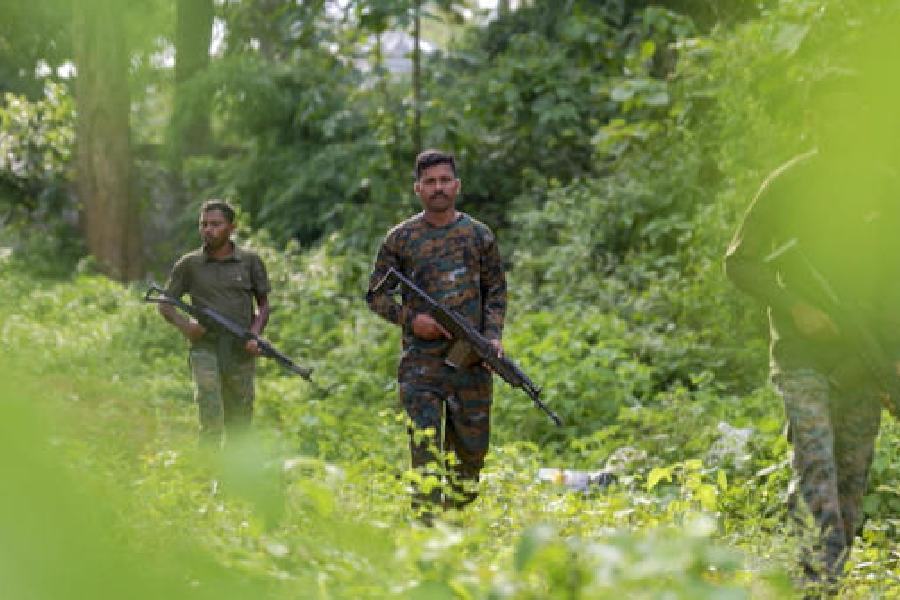
The Red Corridor has shrunk. It can be said that it has been obliterated — almost. At the turn of this century, almost 200 districts in India had been afflicted with Maoism, described as the nation’s principal internal security challenge by the former prime minister, Manmohan Singh. Over two decades later, only two districts, the Union home minister, Amit Shah, has stated remains afflicted by left-wing extremism. This success must be attributed to the combination of improved security interventions and incentives made available by the State. These days, dedicated personnel pressed into anti-Maoist operations are armed with not just modern weapons but also cutting-edge technology: drone surveillance has, for instance, made a difference on the ground. The Central rehabilitation package, focusing on financial support, social reintegration as well as vocational training, has expedited the urge to surrender among rebels. Two related factors must not go uncommented. The ruling Bharatiya Janata Party will, understandably, claim credit for the neutering of Maoism. But Mr Shah putting the blame for Maoist transgressions on political rivals is ill-informed. It must also be pointed out that the State policy to tackle the challenge showed continuity with and amendments to, not rupture from, the strategy that was in place before the BJP’s political ascendancy. Second, the realisation among many of the surrendered Maoists that the path of violent insurrection is futile needs to be harnessed — perpetuated.
This is because the Indian State would concede, on the basis of its experiences of battling the Maoists over the decades, is that this ideological strain can be a particularly stubborn and wily adversary. It goes dormant when cornered, only to bare its fangs the moment the State reneges on its commitments to public welfare, especially the welfare of the people occupying the margins of policy and the national consciousness. The genesis and the resilience of Maoism can be explained by the persistence of a vacuum — administrative, political and developmental — in India’s hinterland. What fed the embers of the fire lit by the rebels are the collective grievances that the State has not redressed over the years. India’s political minders cannot afford to repeat this error. Development — wholesome, egalitarian and sustainable — is the only known anecdote against such disease of the body politic.