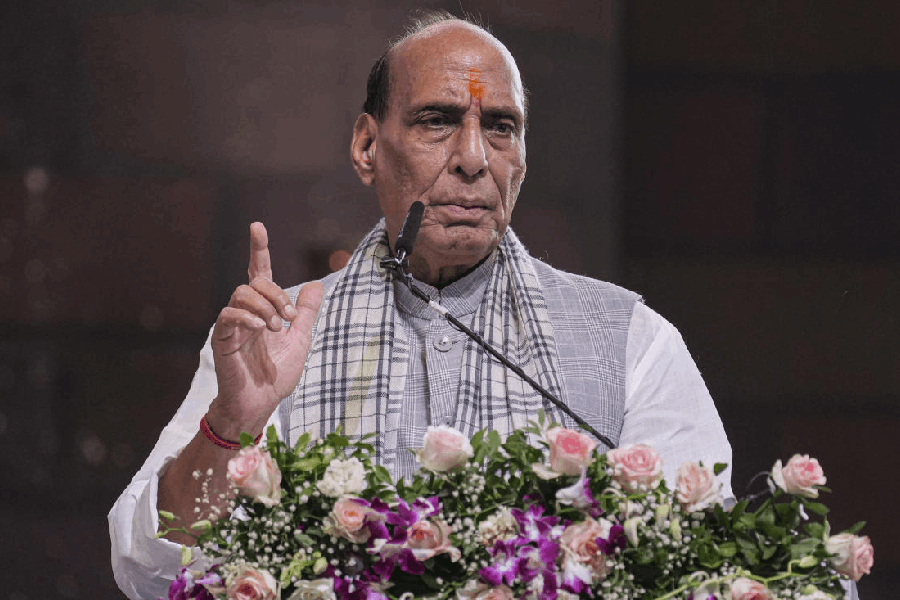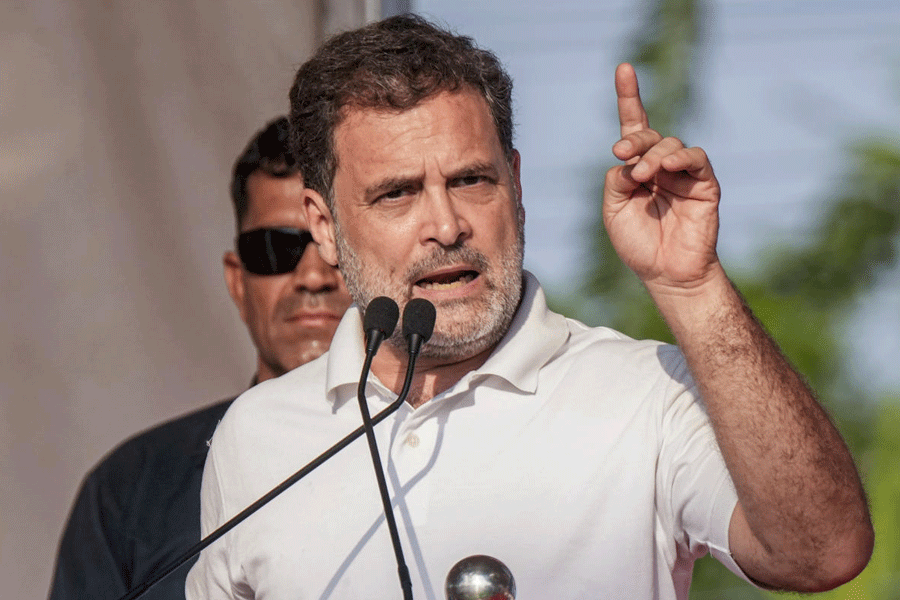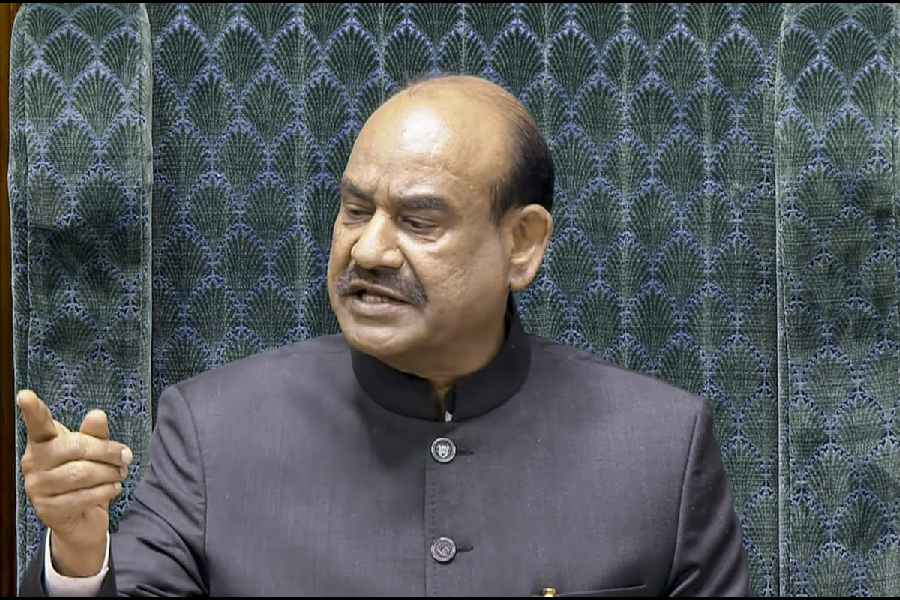
A no-confidence notice was submitted against the Lok Sabha Speaker, Om Birla, on Tuesday. It has been moved primarily by the Congress — 120 Opposition parliamentarians have supported it — in protest against the Speaker’s alleged partisanship. Proofs of Mr Birla’s prejudicial conduct, the Opposition insists, lie in the leader of the Opposition not being allowed to speak in the House or read an excerpt from a book by a former army chief, hurling unsubstantial charges against women parliamentarians from the Opposition as well as the suspension of some members of the House. The point here is not whether the endeavour against the Speaker will succeed. The real issue is a matter of principle. Parliament is the highest deliberative body in the nation. This august House is meant for deliberations and debates on subjects that are in the interest of the people and the nation. Any attempt to muzzle such a democratic engagement, including verbal sparring, is a violation of the ethos of parliamentary democracy. If the LoP wants to make a point by referring to a book written by a former army chief, so be it: the treasury bench can always counter the LoP’s charge with evidence-based counterarguments. That is in line with the best practices of democracy. In fact, the government’s opposition to the LoP’s demand, based on the argument that the book is unpublished, cements its authoritarian image. National security is not the government’s fief: it is a matter of public importance. Along with deliberation, what seems to be equally threatened is parliamentary convention. For instance, the lower House adopted the motion of thanks to the president’s address to Parliament without the prime minister replying to the debate. Apparently, the prime minister was advised by the Speaker who stated — quite bizarrely — that he had knowledge of Opposition members springing something unexpected on the prime minister.
Parliamentary traditions — discussions and conventions — are not ornamental. They are building blocks of India’s parliamentary democracy. Any departure from these by an elected government undermines not just the prestige of the House but its potency as well. Already, the budget session has witnessed numerous adjournments over this controversy. The no-confidence motion against Mr Birla is unlikely to be a calm affair either. These repeated confrontations are not only a blot on federalism. They also raise a significant question: when will the people’s representatives be mindful of Parliament’s falling productivity?