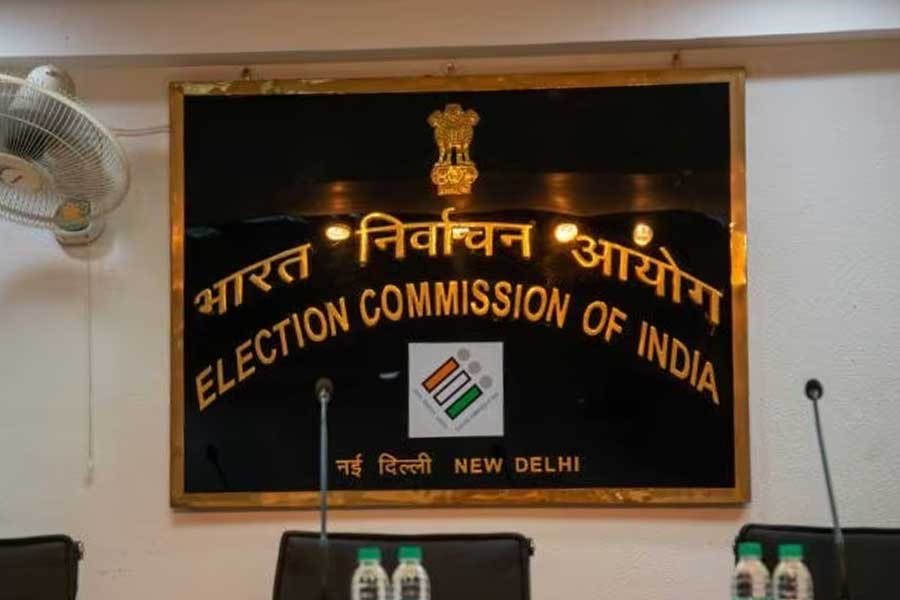
Lifetime immunity from prosecution is a rare advantage. The office-bearers of the Election Commission of India were granted immunity from civil and criminal prosecution for their lifetime for any act committed during the discharge of their duties in the Chief Election Commissioner and Other Election Commissioners (Appointment, Conditions of Service and Term of Office) Act, 2023. The constitutionality of the lifetime immunity and the resultant damage possible to free and fair elections have now been challenged by a petition in the Supreme Court. The court has issued notices to the government and the EC as the judges have said that they wish to examine the issue on the basis of its constitutionality and its impact on the EC’s independence. This is a welcome decision. The law made by Parliament exceeds the immunity granted to other officials, such as judges, in the Constitution and, as the petition points out, is sweeping and unprecedented. The law seems to place personnel above the institution. Besides, it has to be asked whether or not the law makes a distinction between elected officials, such as members of Parliament, and chosen unelected officials. In case of criminal prosecution, MPs have to pay the price. Lifetime immunity would seem to place these unelected officials on a higher plane of importance and job security than elected ones; do they make a separate category?
The petition also challenges the new appointment panel for election commissioners formed by the law by virtue of which the chief justice of India was replaced by a minister chosen by the prime minister. The other members of the panel are the prime minister and the leader of the Opposition. This shifts the balance of power fully to the executive, thus undermining the independence of the EC. The granting of lifetime immunity to EC officers placed in the context of the removal of the CJI from the panel could be perceived as a kind of trade-off — no institutional check. This would further erode the independence of the EC, since lifetime immunity from all kinds of prosecution would likely create compliant EC officers. The increased criticism of the EC’s actions in recent times makes sense when related to the 2023 law. The loss of institutional autonomy is dangerous for a democracy. Much would
depend on the result of the Supreme Court’s examination of the issue.