There are videos of Indians demanding that other citizens respect a particular regional culture or language. Such episodes vocalise a newfound need to respect a particular identity. I recently watched a clip in which a lady is seen demanding that a man speak in Marathi. He replied by saying that he would speak in Hindi as they were in India. They eventually continued their argument in English.
The absurdity of such incidents has not prevented them from taking place.
In another video, a woman is seen shouting in Hindi at another woman who, dressed in a hijab, responds vociferously in Kannada. Their shared gender did not create a bond. Instead, this basic similarity crumbled under the weight of linguistic chauvinism. Imposing one’s own insular identity on the other was deemed more important than addressing the shared challenge of existing in a patriarchal world.
Ironically, the same people demanding respect for their regional cultures or languages from fellow citizens from other regions think little of the cultures of host countries when they travel abroad. Once there, they choose to scream out their Indian identity to anyone willing to listen.
This sanctity accorded to a homogeneous identity is curious given Indian culture's diverse rituals.
Eating with one’s fingers is ubiquitous in India. However, there is no set way of eating in this manner. Almost every region has a different style of eating. For that matter, the simple daal that is cooked in almost every Indian home can vary widely in its preparation.
And what about the various ancient schools of yoga? Or that there are numerous types of saris and many ways of draping them. Even the humble phuchka, the popular Indian street snack, goes by many names: gol gappa, jal poorie and so on. Its stuffing varies in each region as well.
Even our kings understood the value of diversity. Shivaji Maharaj had Muslims in his army; Mughal kings had Rajput generals; Hindu kings donated to Jain and Buddhist monks. Such gestures were not only on account of virtue but basic to statecraft and perception management. Kings understood that their vast empires did not house a homogeneous population. Thus it was important to look and act benevolent. Further, it was a way to attract foreign trade because the world has always been multicultural and a hospitable environment is the key for international trade.
When there is so much diversity, is there a need to glorify conformity?
There is no fixed definition of similarity. Society accepts whichever framework has public endorsement. But homogeneity is contextual and emotive. It can be vulnerable to political manipulation. Policies do not win elections: the creation of similarities and divisions do.
The belief that commonality will create an identity, which will increase national pride, make a country safer, and enhance economic development is spurious. Homogeneity requires enforcement. It cannot, therefore, be a unifying force.
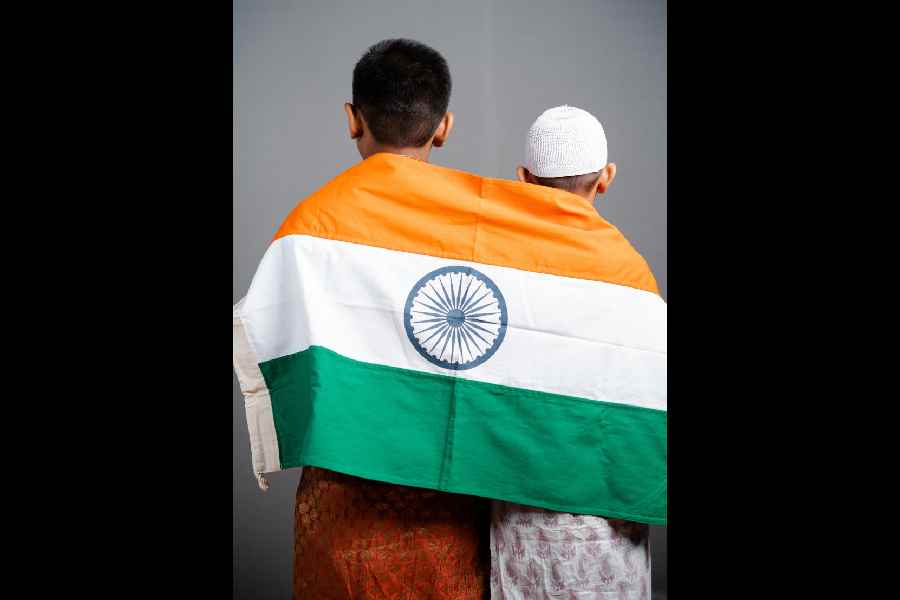
Similarity does not bring people together: mutual respect does. The demand for sameness is nothing but a desire to be recognised and respected. Identities based on a similar language, religion, or region are transitory. The only thing that is constant is our humanness. The Vedas recognised this when they said Vasudhaiva Kutumbakam — the world is one family.