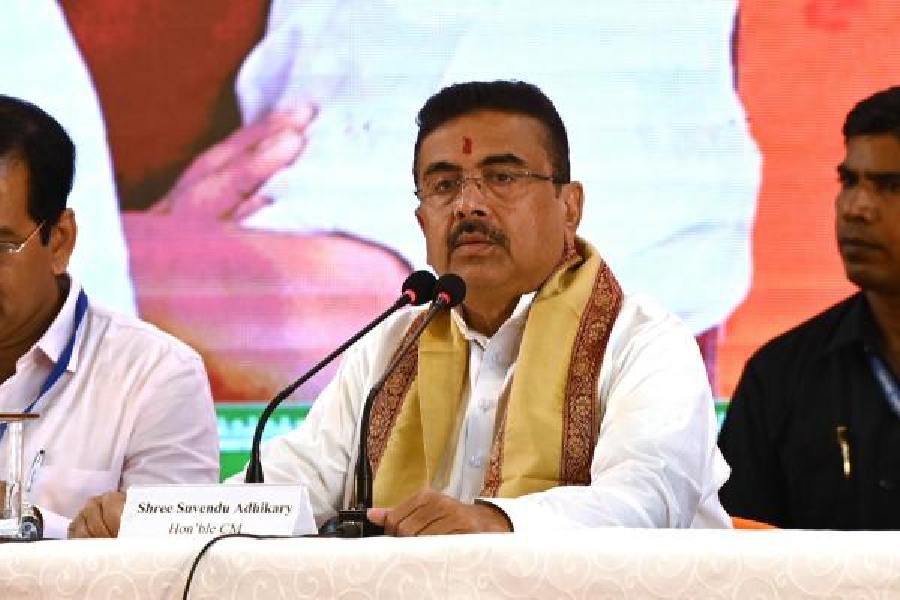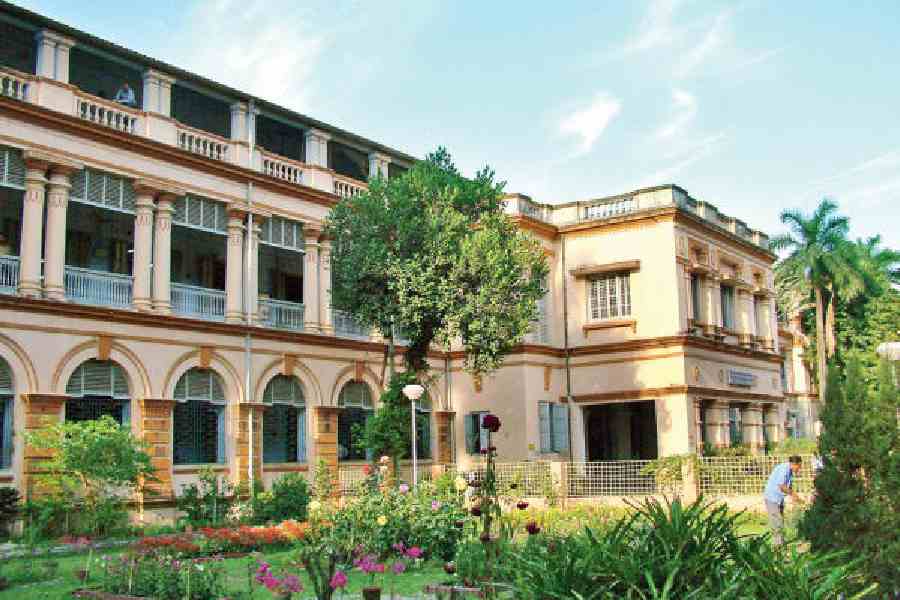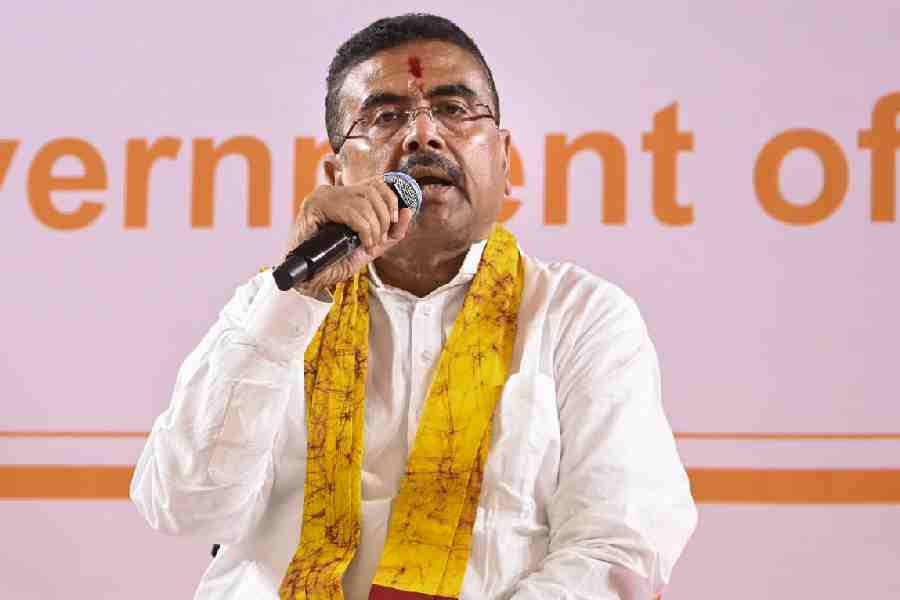
An excess of zeal may sometimes result in an excess of confusion. The new government of West Bengal, led by Suvendu Adhikari, is in a hurry to change the names of roads in Calcutta. This is not a new practice; most governments do it. But the first road to be renamed by the Kolkata Municipal Corporation is Suhrawardy Avenue — it is now Gopal Mukherjee Road. The fact that the normal process of renaming roads has been bypassed is not the point here. The chief minister made it clear that the change was necessary because the road was named after the Suhrawardy who had misused State power to orchestrate the killing of innocent citizens for political gain. This comment would fit Huseyn Shaheed Suhrawardy, who, as Bengal’s premier, was supposed to have overseen the Great Calcutta Killings of 1946. Naming the road after Gopal Mukherjee was retaliatory, because Mukherjee had defended Hindus — also innocent Muslims — against the violence. But the history of Calcutta’s streets — albeit a fascinatingly complex history given the probable gaps in municipal record-keeping and in historiography — as well as political scientists suggest that the road was named after Hassan Suhrawardy, Huseyn’s uncle, a surgeon and the first Muslim vice-chancellor of Calcutta University. The attempt to rewrite history is not uncommon, but to rewrite a non-existent history can be slightly comic.
There is nothing comic, however, in the chief minister’s declaration that no street in Calcutta will have Pathan or Mughal names. A renaming panel led by a Padma Shri-awarded monk will decide which names need to be changed. This promises to be a new system of rewriting the city’s history and a new basis — racial or religious? — of renaming. Names of public spaces and monuments define the spirit of a city and shape the shared memory of its heritage and history. Local leaders, public figures, social reformers, writers — all find place in that mental map. Renaming may have political reasons. Colonial names given to roads were changed by earlier governments — Lansdowne Road is now Sarat Bose Road, for example — just as metro stations were given names of the state’s writers, artists and leaders by the previous government which laid emphasis on the spirit of Bengal. Names are changed for ideological reasons — Harrington Street became Ho Chi Minh Sarani. But sometimes names are changed simply because the ruling politicians regard them negatively, as it seems in
Mr Adhikari’s case.
Exercising the power to change names of public spaces is, however, not the same as changing public memory. The mental map of a city may be wreathed with pathways the old names of which persist in collective oral memory, writing a history different from that intended by its rulers. Park Street, the glittering site of Calcutta’s nightlife, is almost never called Mother Teresa Sarani. Perhaps the spirit triumphs over the letter. Do people refer to Camac Street as Abanindranath Thakur Sarani? Yet Theatre Road is often called Shakespeare Sarani. Can politicians’ renaming of public spaces keep up with the quirks of public memory?