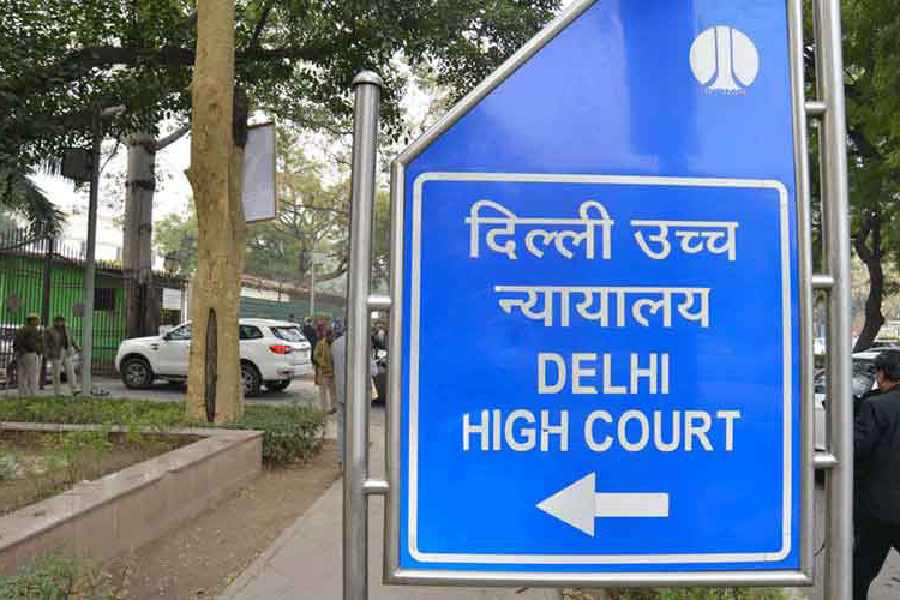
A technicality, even if admissible in a court of law, can have far-reaching consequences for society in general. Consider the Delhi High Court’s recent, controversial decision to suspend the jail term for Kuldeep Singh Sengar, a former legislator from the Bharatiya Janata Party, who was convicted of raping a minor, among other charges. The high court’s reasoning behind suspending the life sentence during the pendency of Sengar’s appeal against the conviction in the rape case, relying on an earlier judgment of the Supreme Court, is based on the rationale that even though he can be treated as a public servant on account of him being an elected legislator under the Prevention of Corruption Act, this particular definition does not get automatically imported in the architecture of the Protection of Children from Sexual Offences Act, 2012. The former legislator will, however, remain in prison because he is serving a term in a separate conviction. A petition has already been filed in the Supreme Court challenging the Delhi High Court’s contentious order. The victim, a symbol of astonishing courage and resilience, is said to be gearing up for a legal battle in the highest court of the land.
The law is expected to follow its own course. But the legal process does not operate in a vacuum: its implications affect — alter — lives, often of those fighting for justice. The survivor of the Unnao horror has described the Delhi High Court’s intervention as a “death knell”. Chillingly, her elder sister is on record stating that soon after news of the suspension of Sengar’s jail term spread, henchmen associated with this controversial criminal had visited her house and threatened to kill the remaining members of the family. Incidentally, there are allegations that Sengar had attempted to kill the victim on several occasions: he is also serving a sentence for conspiring to kill the survivor’s father. India’s courts have, over the decades, served as a robust shield against injustice perpetrated on the powerless. India’s oppressed will hope that the outcome of this case will not be an aberration to that shining tradition. The cynical view, that the tryst for justice is futile for the poor given the disproportionate — perverse — influence of the rich and powerful, should not be allowed to endure.