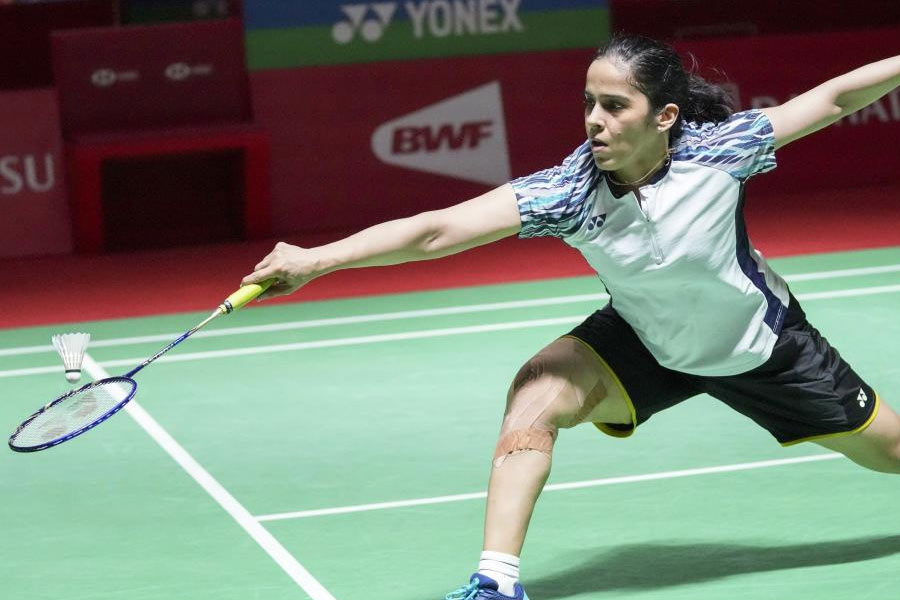
The Orwellian description of sport being war minus the shooting is generally understood to allude to the culture of hypernationalism and rivalry that is generated by popular sporting competitions. But there is another, less discussed, war that sport wages — not between competitors but with each individual sportsperson: this is the battle between sport and the sportsperson’s body. Saina Nehwal’s recent decision to quit competitive badminton on account of a degenerative knee condition brought about by the rigorous physical demands of the game is a reminder that the outcome of such a battle is, more often than not, scars that run deep. Ms Nehwal joins an illustrious but tragic list of icons whose careers were cut short by injury: they include, in recent times, the Brazilian footballer, Ronaldo Nazário, the English cricketing all-rounder, Andrew Flintoff, the tennis players, Kyle Edmund and Juan Martin del Potro, Mary J. Keitany, an eminent marathon runner, Brandon Roy, a basketball great, to name a few. By some estimates, the percentage of young and elite athletes who have been forced to retire due to injury ranges from 22% in the United States of America to 47% in English football. Other high-contact games, such as rugby, American football and boxing, take a higher toll on players’ bodies.
The glamourisation of sports on account of their globalisation has brought many benefits to the fraternity of sports stars. But it has also led to a blind spot: the public discourse seldom focuses on the demand that sports, their attendant injuries and discipline make on the bodies of players. A related, indeed deeply intertwined, element is the mental trauma that such injuries bring in their wake. These days, fitness regimes are prioritised — and quite rightly so — across most nations with vibrant sporting cultures. But the psychological and economic rehabilitation of injured players, especially those who have not found their way to the spotlight, remains an area of concern. This lacuna must be addressed if India, which is striving to be acknowledged as a global sporting power, is to reach its goal.