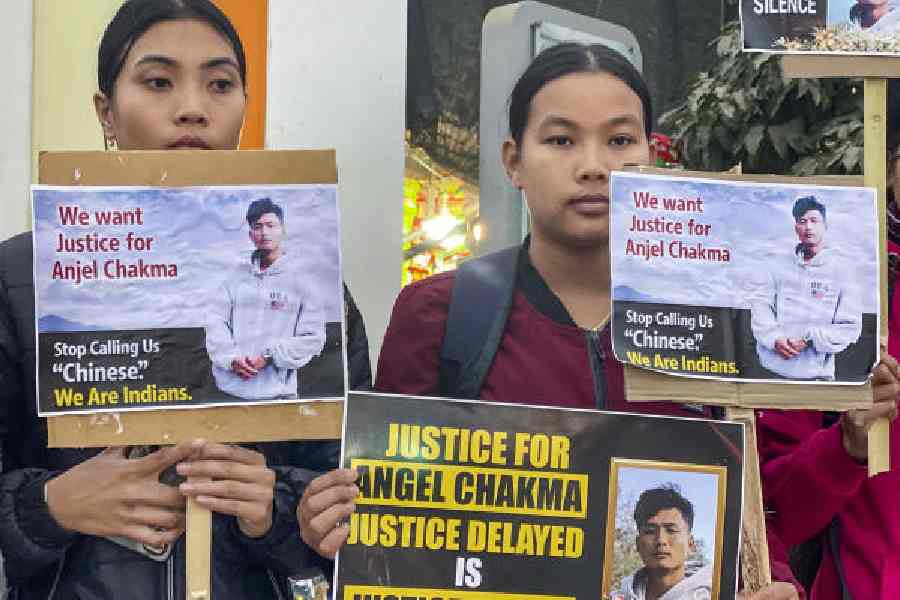
For a nation that endured the poison of racial discrimination during colonialism, modern India’s complicity in the racial stereotyping, exclusion, and everyday discrimination faced by people from the Northeast is a matter of shame. The latest instance of this viciousness was the attack on Anjel Chakma, a 24-year-old from Tripura, in Dehradun that began with racial slurs and, when resisted, escalated to a brutal stabbing that led to his death. This is not an isolated incident. Loitam Richard, Reinghamphy Awungshi, Akha Salouni and Nido Taniam are just some of the names of young lives from the Northeast that have been cut short after racist attacks in the last 15 years. Strikingly, India, despite ratifying the International Convention on the Elimination of All Forms of Racial Discrimination in 1965, lacks a dedicated law against racial discrimination. Existing legal provisions address caste-based atrocities but exclude remedies for other vulnerable groups, including people from the Northeast. This gap leaves law enforcement without clear legal templates of deterrence, resulting in under-reporting of such crimes and weak accountability. The resultant sense of alienation of citizens from the affected region gets magnified too. After the 2014 murder of Taniam, the then United Progressive Alliance government had instituted the Bezbaruah Committee to examine means to curb such crimes. Its final report to the ministry of home affairs in 2014 — it included various steps such as legal measures, social awareness campaigns, police sensitisation, and reforms of existing structures, including school textbooks — lies forgotten. The National Democratic Alliance, which is in power both in Uttarakhand and in Tripura, had promised to take action on this report on a “priority basis” but has not done so.
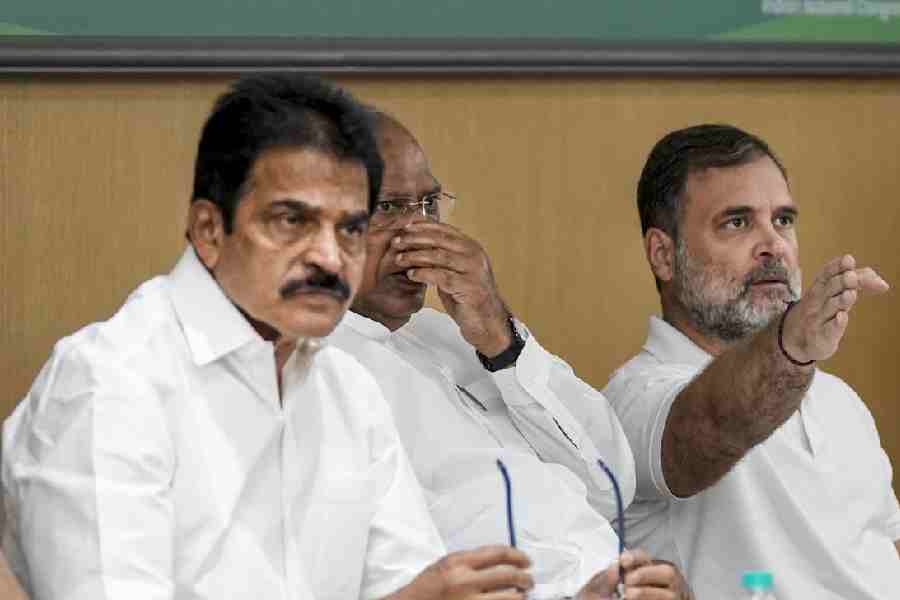
Everyday racism is compounded by institutional apathy. The Uttarakhand police delayed the registration of a first information report, allowing the prime accused to flee. Worse, the police have said that there is no evidence of racial violence and stated that the derogatory remarks — “Chinki” and “momo” — directed at the deceased were made “in jest”. When racialised intent, a manifestation of regional prejudice, is thus trivialised, accountability collapses. The leader of the Opposition in the Lok Sabha, Rahul Gandhi, is right to point out that racial violence thrives not only through individual prejudice but through sustained political silence and the legitimisation of hate in public discourse. Until racism is named in law, confronted by the State, and treated as a serious crime rather than the manifestation of ‘jest’, the lives lost will continue to be mourned briefly by India and forgotten easily.