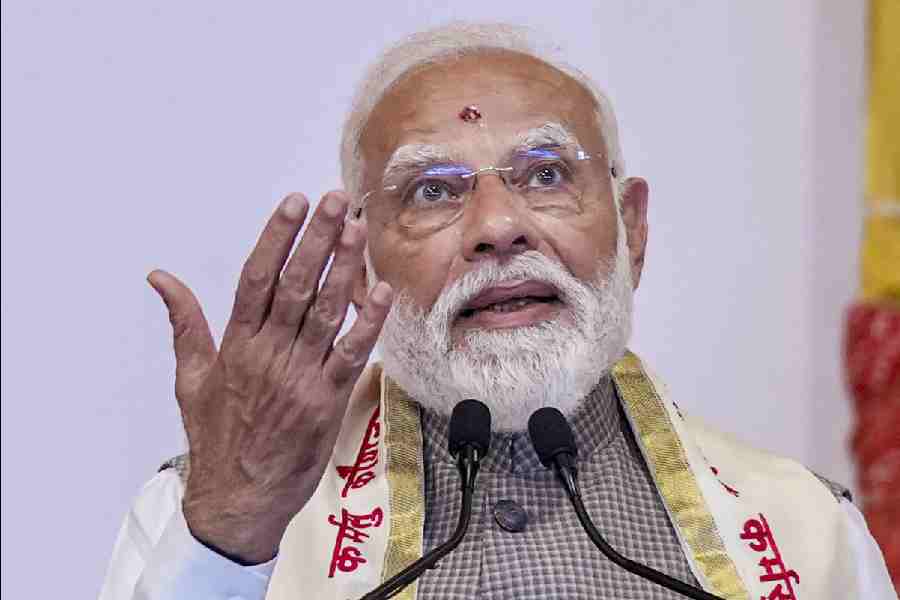
Has the cat crawled out of the bag — but only after elections? The Centre continues to assure citizens that India has enough oil and energy reserves and that further steps are being taken to resolve supply-side disruptions on account of the festering West Asia crisis but these assurances may sound a bit hollow in light of the ‘resolutions’ that Prime Minister Narendra Modi asked citizens to shoulder, ranging from the adoption of work from home templates to curbing fuel consumption and overseas travel, as a means of mitigating the impact of the crisis. There are whispers of a hike in fuel prices already. Taken together, these mixed signals are confusing. The Centre must come clean on the depth of the crisis that India faces: that is part of the democratic compact that binds an elected government to its people. Worryingly, some of the pills that Mr Modi suggested are palliative in nature. For instance, the pill for farmers to shun chemical fertilisers may have a deleterious impact on food supply. Again, if Indians only buy local, consumption would be dealt a blow: the domestic sector is not robust enough to meet demand anyway. The public prescription to buy less gold will have few takers. The optics are problematic too. The prime minister’s appeal for austerity measures that would burden citizens comes at a time when the government is yet to curb its extravagance. Electoral compulsions have, to cite one instance, compelled the Bharatiya Janata Party to announce a slew of welfare sops in Bengal while the election campaigns saw the BJP spend heavily on resources — money and fuel — in the course of canvassing.
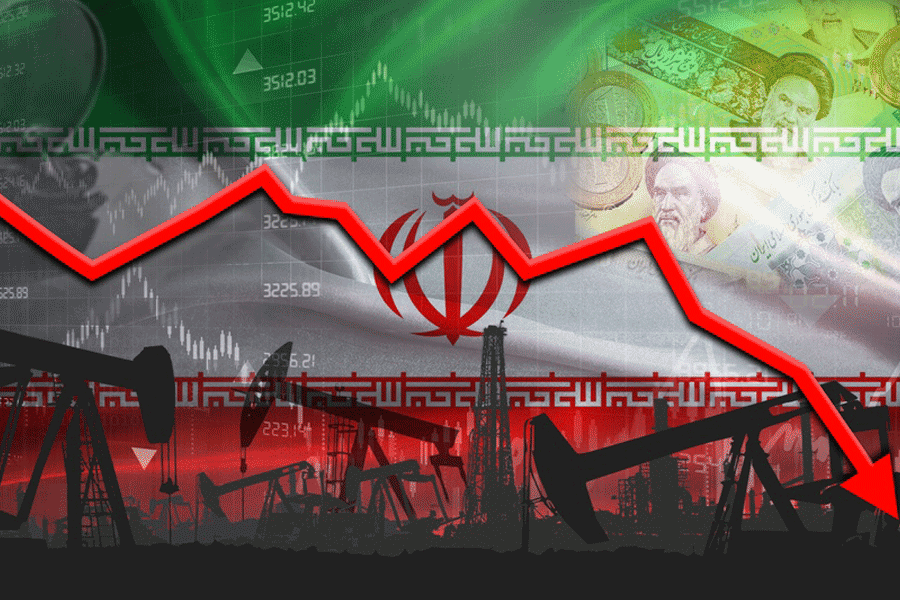
Mr Modi’s government has instituted some measures to fight the fire. Prioritising domestic gas supply over industrial use, shielding consumers from a hike in energy prices — thus far — raising export levies on diesel and aviation fuel to steady supply and enhancing domestic LPG production are among them. But the real — stiffest — challenges pertain to the weakening of the rupee, the pressure on foreign exchange given the mass desertion of foreign institutional investors as well as India’s inability to increase strategic oil reserves: the current capacity falls well short of the standards demanded by the International Energy Agency. No amount of soothing rhetoric or ambiguity on the part of the government is going to prevent the harsh reality from seeping in. The government must work to secure India from West Asia's lashes on a war footing.