
Bhubaneswar: The Naveen Patnaik government has decided to abolish the practice of collecting user fees from patients in government-run hospitals across the state from August 15.
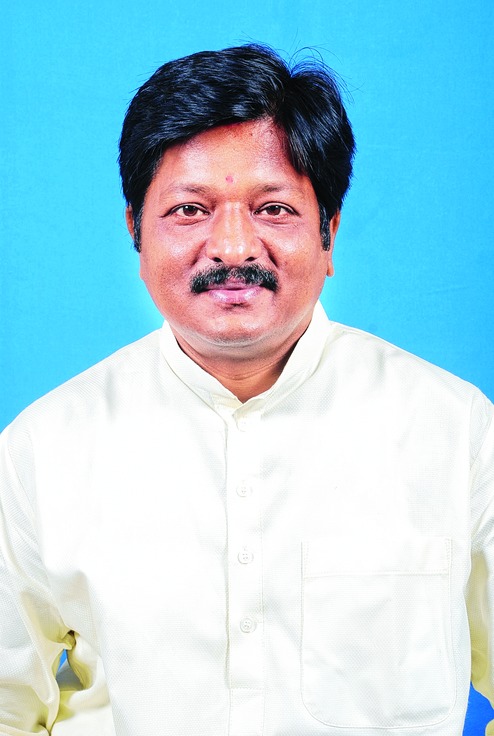
Health minister Pratap Jena said: "The decision has been taken keeping in mind the larger interests of the people. There will be no investigation charges from the patients. Apart from the government-run medical colleges and hospitals, it will be implemented in all primary health centres, sub-centres, community health centres and other hospitals."
Sources said the government had been collecting between Rs 30 and Rs 40 crore a year in the form of user fees. The fees, meant for the development of local health care infrastructure, varied between Rs 10 and Rs 2,000 depending on individual cases. The decision to abolish the user fees comes following the state government's decision to provide Rs 5 lakh health coverage to nearly 70 lakh families.
Jena said: "The state government is committed to ensure free and quality medical service to the people. This is a step in that direction. We had earlier made all diagnostics free under the Nidaan scheme. Now, we have decided to waive user fees."
An official said the state-run hospitals had started collecting user fees in 1993. In 1997, the rates were revised to include more items such as transportation, accommodation, diagnosis and medical investigations. Initially, these rates were applicable to the three government-run medical colleges, district headquarters hospitals, Capital Hospital in Bhubaneswar and the Government Hospital in Rourkela. The user fees were deposited in the accounts of the Zila Swasthya Samiti (district health society) in case of district hospitals. Eventually, all the hospitals started collecting the user fees.
Welcoming the move, president of the Odisha Medical Service Association, a body of government doctors, Nirakar Bhatt said: "The government has to improve medical infrastructure, including appointment of required number of doctors. Otherwise, the government hospitals will fail to attract patients. Out of the sanctioned 6,719 posts, only 3,390 doctors are now working in the state."
Capital Hospital director Manoranjan Dash said: "The state government has said that it would compensate the financial loss incurred by the move. The work load will certainly increase because this would attract patients from the peripheral areas and neighbouring districts."
This comes in the wake of the state government's decision not join the Centre-sponsored Ayushman Bharat Yojana on the ground that its Biju Swasthya Kalyan Yojana was a "better" health care programme.
Odisha's health minister Pratap Jena on Thursday said the proposed central scheme would cover 61 lakh families in Odisha, but, the state project, announced by chief minister Naveen Patnaik on Tuesday, benefits nearly 70 lakh families.
While the central scheme extends health insurance coverage up to Rs 5 lakh per family per annum, the state government will provide Rs 5 lakh worth free treatment and medicines to the beneficiaries in all government hospitals. The centre is yet to announce the date of the implementation of its scheme. By launching its own programme, which will be funded by the state's resources, the BJD government is trying to rebuff the allegations of the BJP that the state only hijacks central schemes and appropriated credit for their implementation.