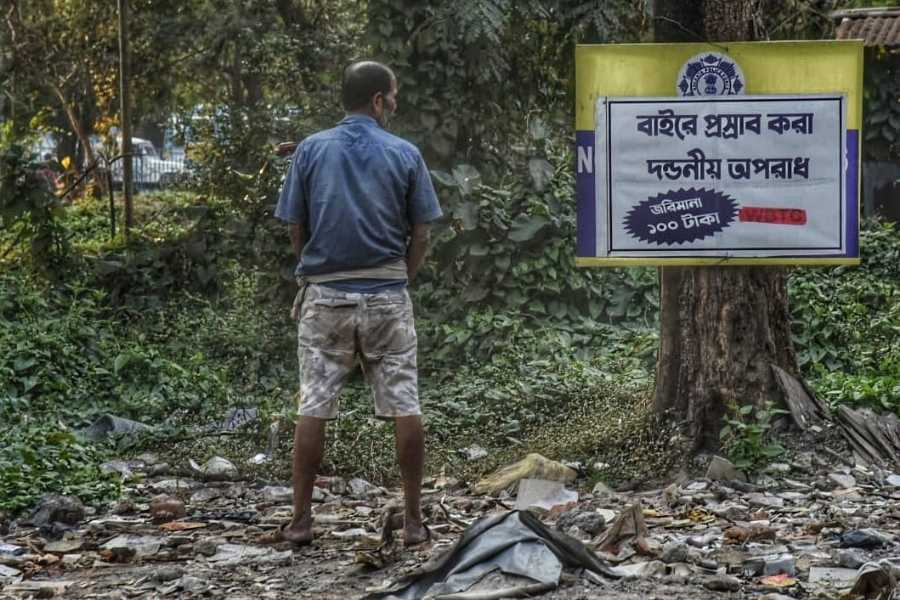
They’re lush green and scenic but they stink of oxidised urine. A whiff, and you’re reminded of the Centre’s Swachh Bharat Mission — oh, is it still a thing? Perhaps not in Kolkata.
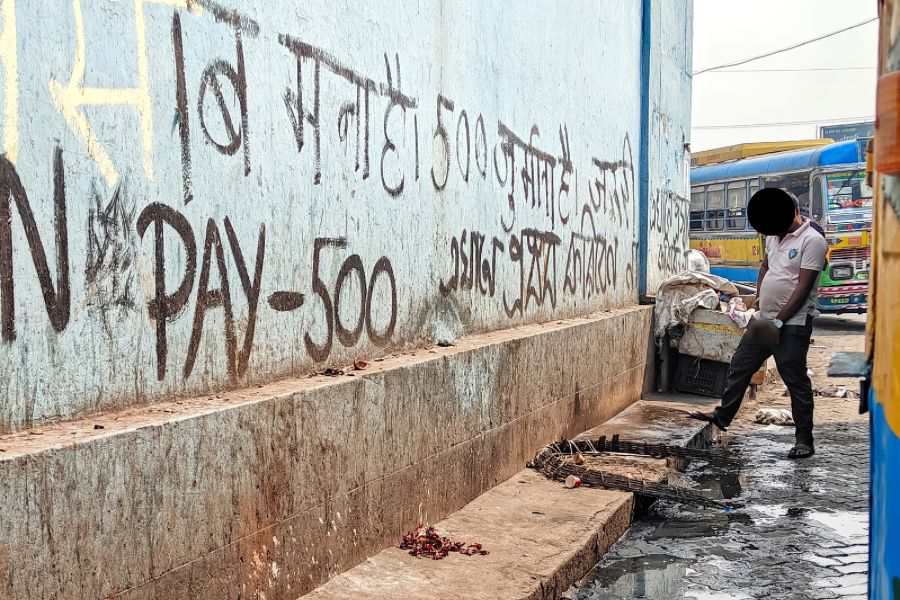
From Maidan to Mullickghat flower market and the Howrah Bridge, men line up, relieving themselves on walls, trees and bushes, unbothered by passers-by — even cops do not interrupt the flow of things at these spots.
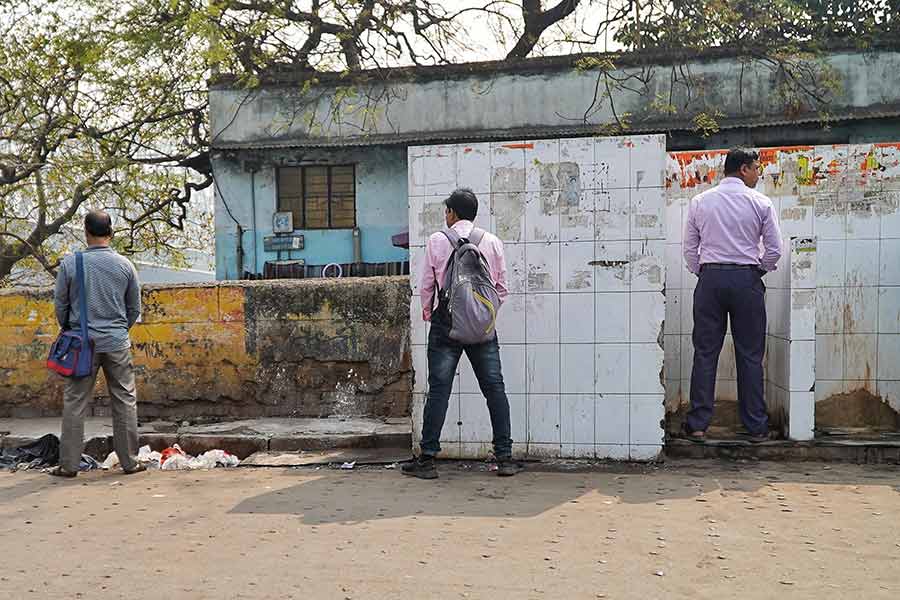
Kolkata Municipal Corporation (KMC) maintains around 500 public toilets across the city, according to Swapan Samaddar, mayoral council member responsible for upkeep of public urinals and lavatories in the city. But they aren’t enough… yet.
Swachh Bharat norms mandate elimination of public urination for a city to achieve ODF Plus status. For Kolkata, making the cut seems to be a long shot.
My Kolkata went on a tour to identify such pee spots around Kolkata. Our lensman caught urinators openly flouting norms and flaunting their lack of civic sense.
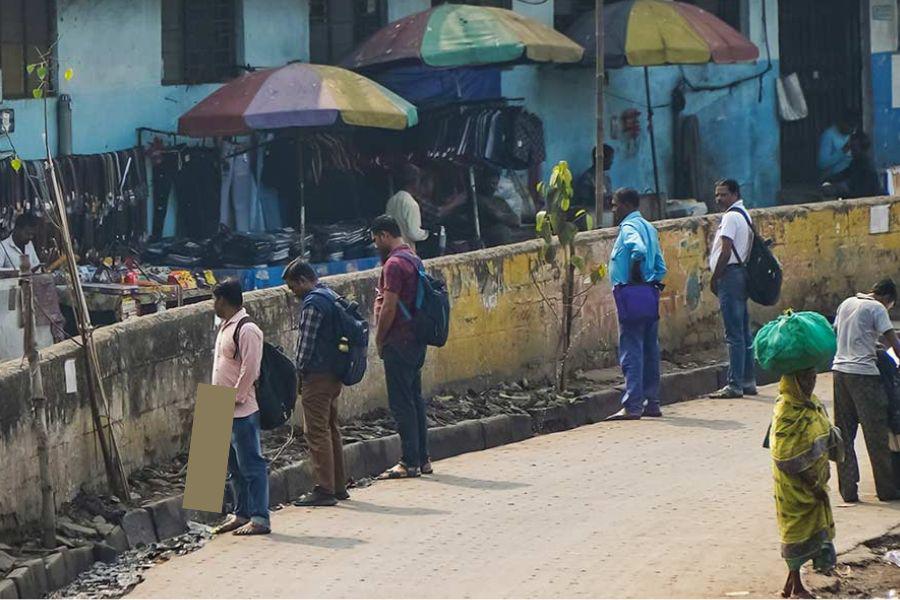
At Howrah Bridge, men stood facing walls near the railway station and bus terminus despite Sulabh facilities at the bus stand, pay-and-use toilets at Howrah Maidan Metro and public conveniences on Rishi Bankim Road.
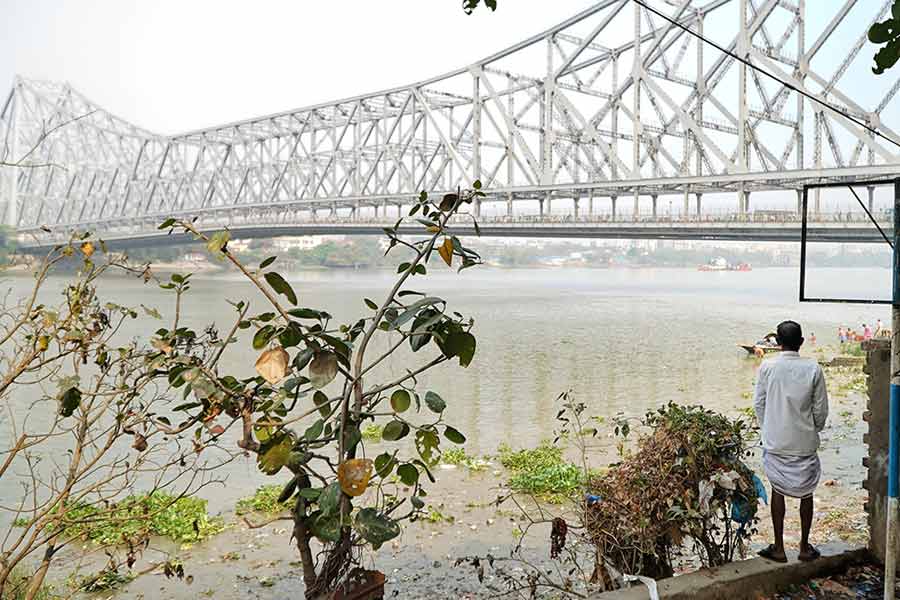
The scene was no different on Mullickghat. Clicking a picture of the mighty Howrah Bridge could become a task at the spot, with dhoti-clad men photo-bombing.
There is no shortage of public urinals on Esplanade and Dharmatala. But many Kolkatans seem to have developed a taste for relieving themselves in the open.
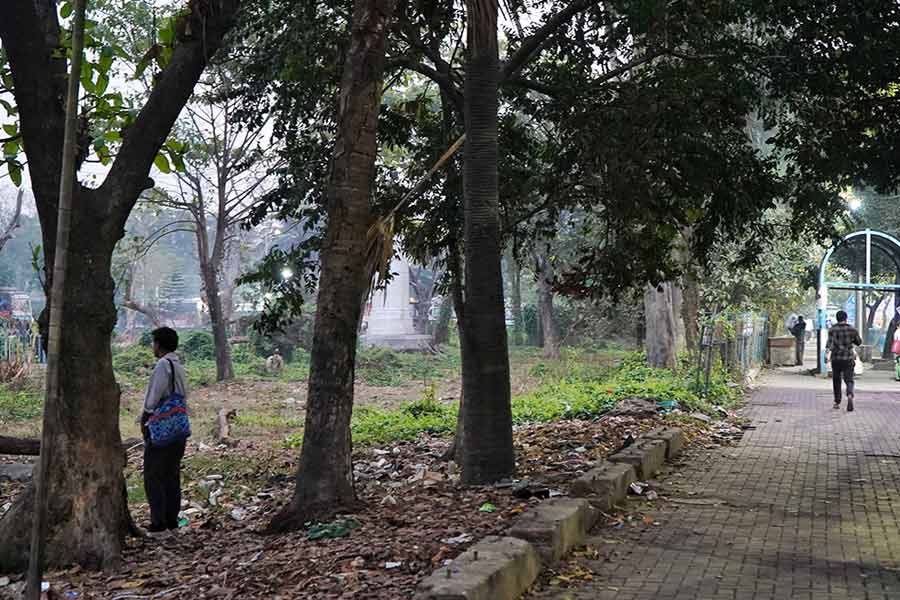
Within walking distance of the Esplanade Metro station, there are the Esplanade East pay-and-use toilet, facilities at the bus stand, restrooms inside New Market and Dr Md Ishaque Road, and a well-rated Sulabh complex near Chandni Chowk. Most of these facilities charge a nominal fee. But the walls of tram depots and corners of bus stands feel more appealing to some.
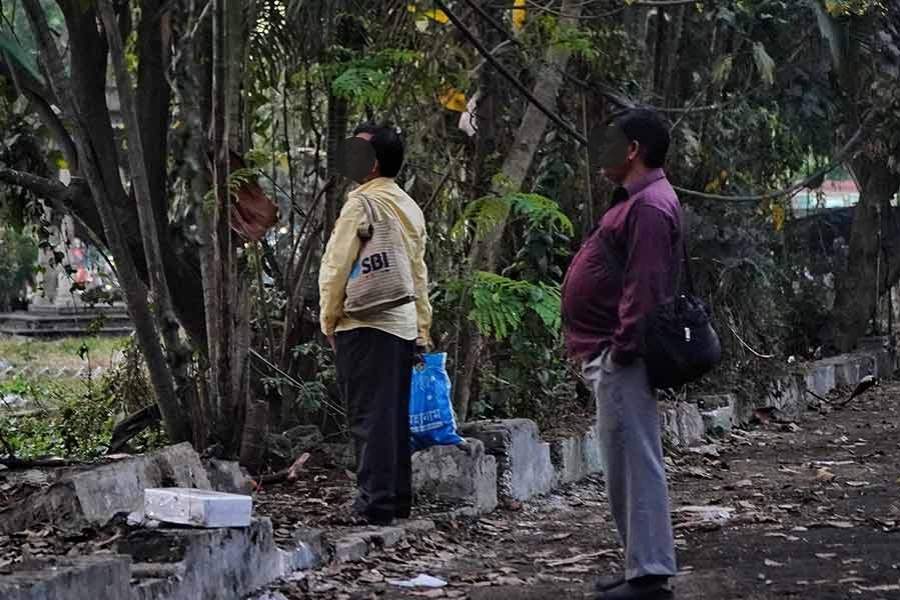
Public urination in India is punishable as a public nuisance under the Bharatiya Nyaya Sanhita (BNS). Section 296 of the BNS addresses obscene acts in public places, including urination in public. The act can lead to three months in jail or a fine of up to Rs 1,000, or both.
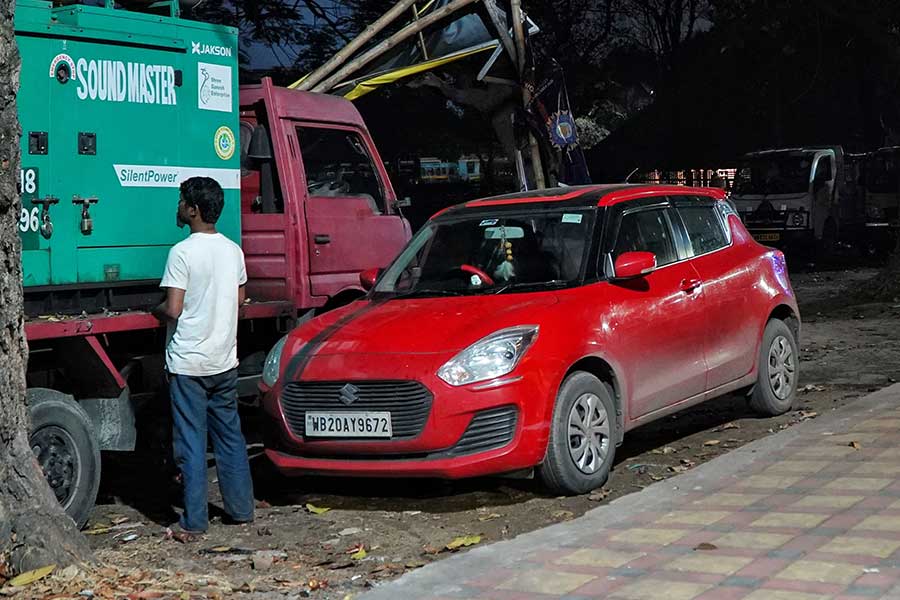
If it is accompanied by misconduct, Section 355 of the BNS may also apply. Municipal by-laws add other penalties, with spot fines imposed by civic authorities.
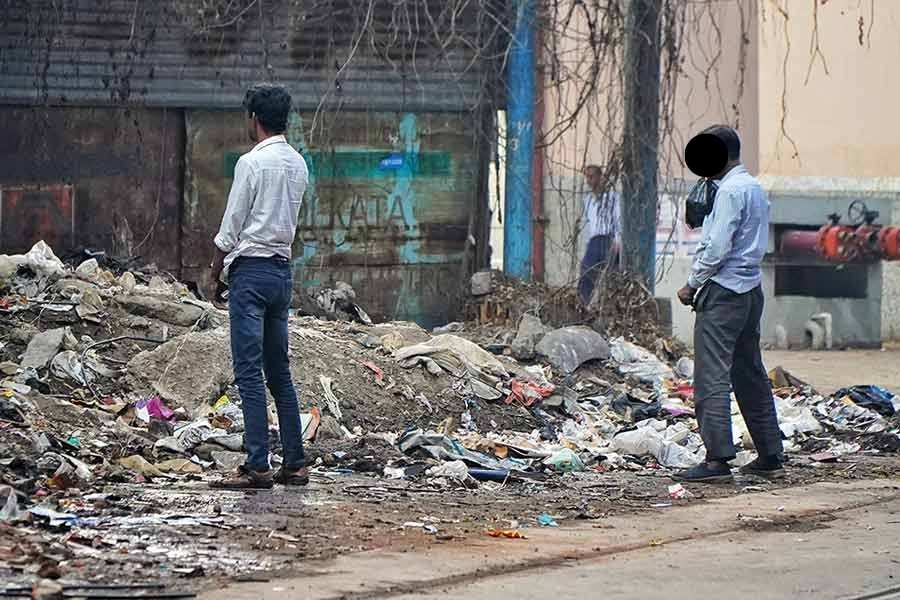
The Maidan, often described as Kolkata’s lungs, has at least 10 to 12 public toilets and urinal facilities within a one-kilometre radius. From the Maidan Metro station to pay complexes near Dufferin Road and facilities close to Victoria Memorial and Rabindra Sadan, relief is not far away. Still, the plants are watered every day with urine.
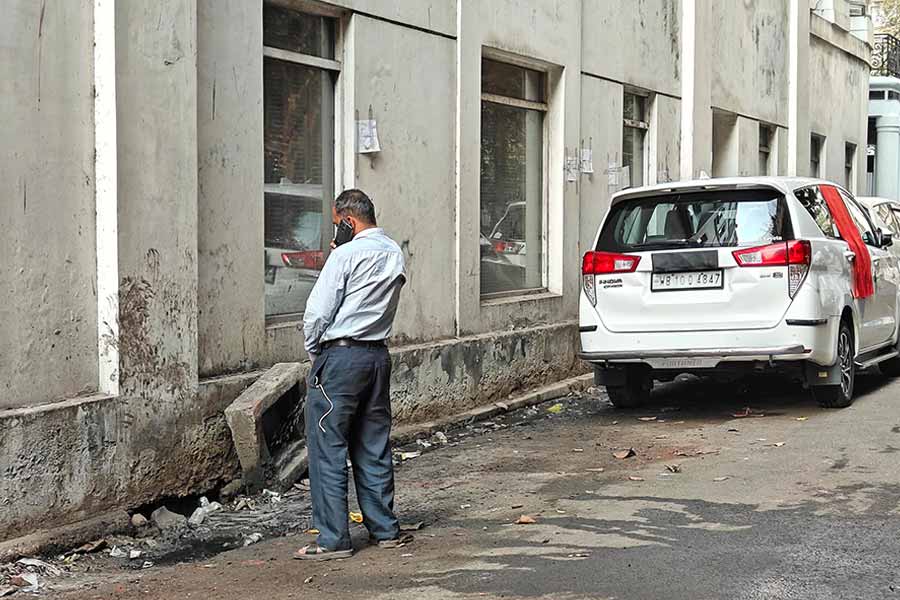
Near Lalit Great Eastern in BBD Bagh, multiple Sulabh and KMC facilities operate within a few hundred metres.
In Kalighat, a pay-and-use toilet stands just behind the tram depot. However, between the Greek Orthodox Church and Women’s Christian College, an alley stinks.
“We walk to class, braving the stench and the sight of men exposing themselves,” a second-year student of Women’s Christian College said, requesting anonymity.