On Poila Baisakh, when Kolkata homes fill with the scent of new beginnings, tradition finds its way not just into rituals, but into what we wear.
Beyond new outfits and adda sessions, there are pieces that come with stories — heirloom jewellery that has travelled across generations, carrying memory, love and legacy.
This Bengali New Year, My Kolkata spoke to some women for whom these heirloom accessories are not just ornaments tucked away in velvet boxes, but treasured fragments of the past.
From hand-crafted naths to neckpieces passed down through generations, Kolkata women share how their heirloom accessories find new expression in the present.
An heirloom nath, shaped by hand, and passed down with love
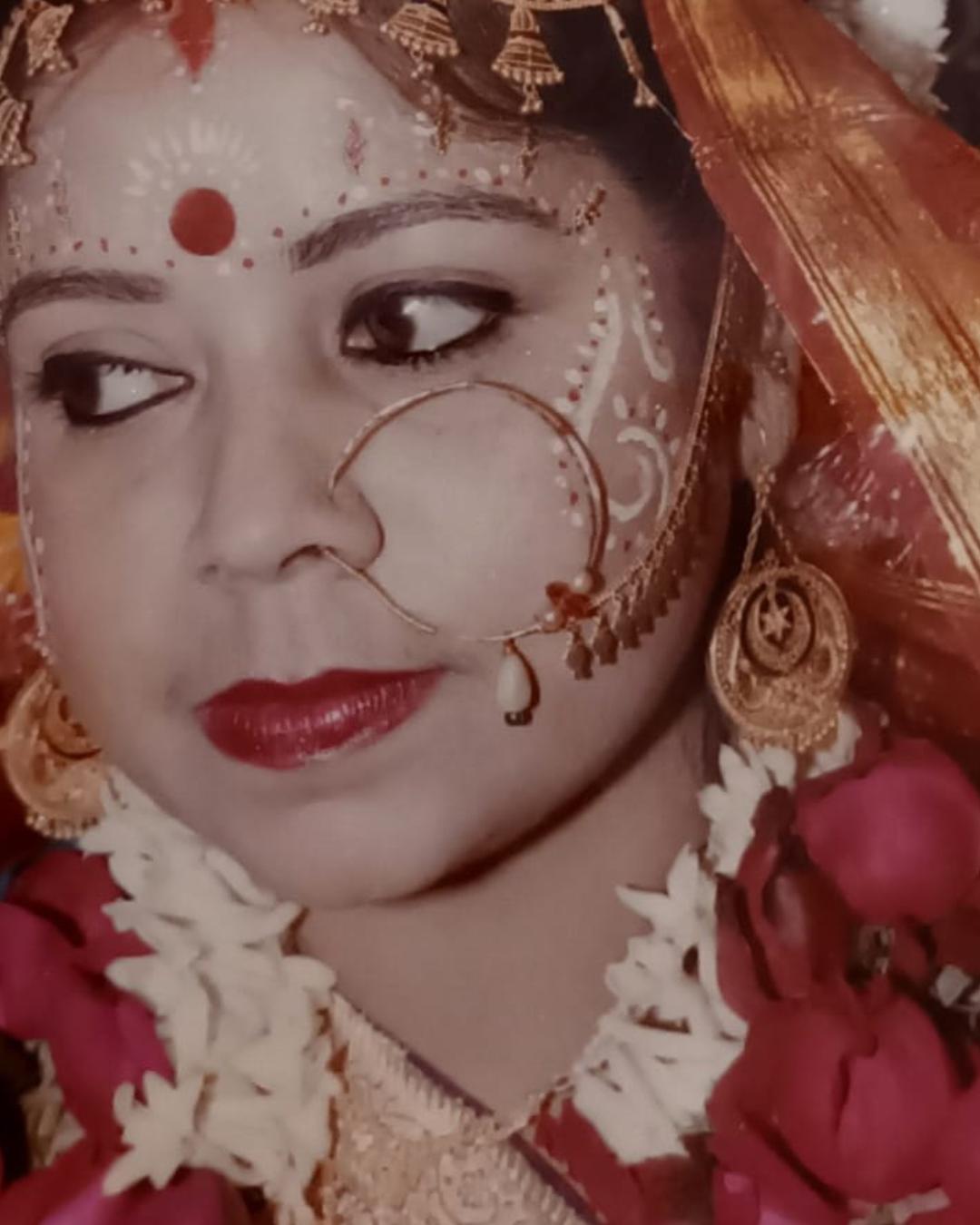
My grandfather-in-law had crafted this nath with his own hands. So, it is not just a piece of artistry but it carries generations of memory. I received it from my mother-in-law, who had been given the same by her mother-in-law during aashirvaad,the pre-wedding ritual where families formally welcome and bless the bride and groom.
It has since become part of a cherished tradition. Every year, on Lakshmi Puja and on Bengali New Year, I wear it with a white and red sari. At times, I also choose it for wedding receptions and other special occasions.
I love pairing it with Banarasi and jamdani saris — the grace of six yards complements it best. I never wear it with kurta or salwar; for me, it belongs with saris alone.
I usually style it with danglers and a delicate necklace, letting the nath remain the highlight of the look.
Pallabi Adhya, 55, educator
The first responsibility my mother-in-law entrusted to me
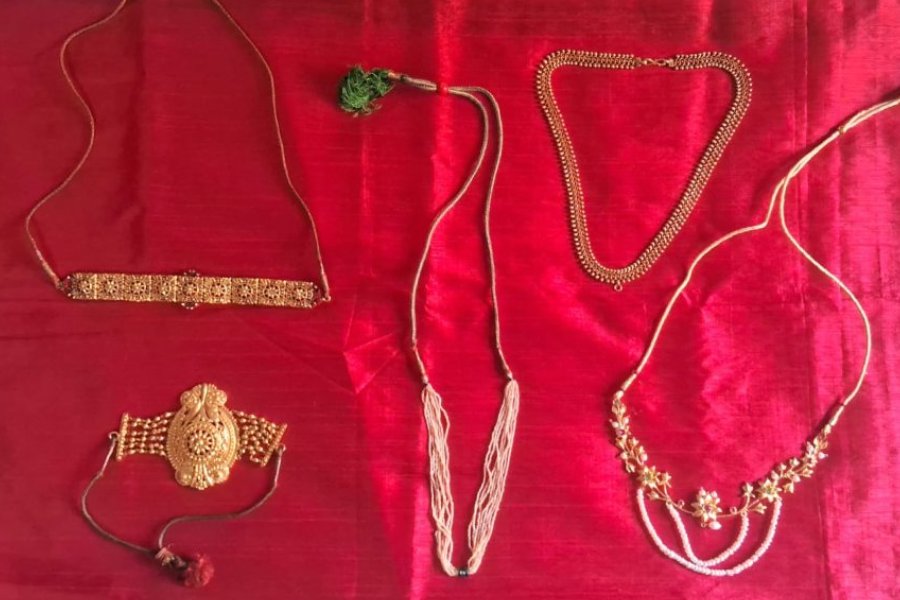
Mantasha, golapbala, and a choker, heirlooms that have lived in the family for nearly 150 years, came into my care the day after my wedding. My mother-in-law placed them in my hands, telling me she had received them in the very same way from her own mother-in-law.
“These are not just ornaments; they are a sign that you are now a part of this family, and we welcome you with them,” she told me.
In the early days of my marriage, I wore them often, holding close the emotion they carried. Today, they come out on special occasions like Poila Baisakh and weddings, each time bringing back that quiet moment of belonging. I pair them with saris, most often jamdani or Banarasi, letting tradition and memory come together in every drape.
Kuheli Bhattacharya, 54, homemaker
A choker that carries the warmth of a mother’s touch
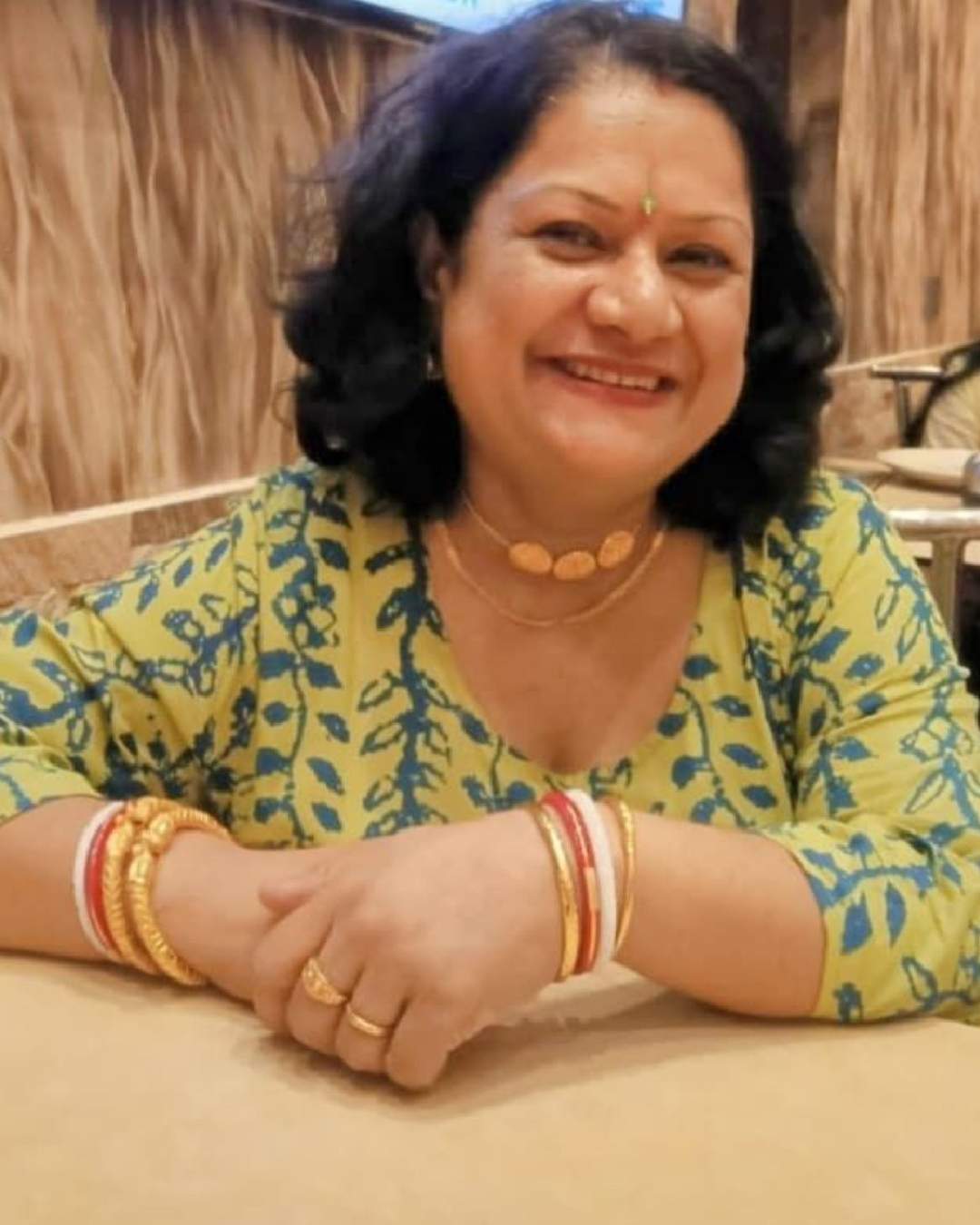
I received a gold choker, among other accessories, from my mother when I got married — a quiet, emotional parting gift as her daughter stepped into a new chapter. I wore it as part of my wedding ensemble, and over time, it has become a piece I return to for parties and festivals alike.
My mother bought it days after her wedding. My father probably had gifted it to her, sometime in 1968.
Each time I wear it, I’m reminded of my mother’s warmth — something that lingers far beyond the moment it was given. For daytime events, I like pairing it with anarkali dresses, while for evenings, I turn to saris, usually embroidered ones rather than printed, to match its richness.
I often layer it with a longer necklace and style it with danglers, mixing both gold and costume jewellery.
Nabamita Banerjee, 53, Hindi teacher
A legacy in every strand
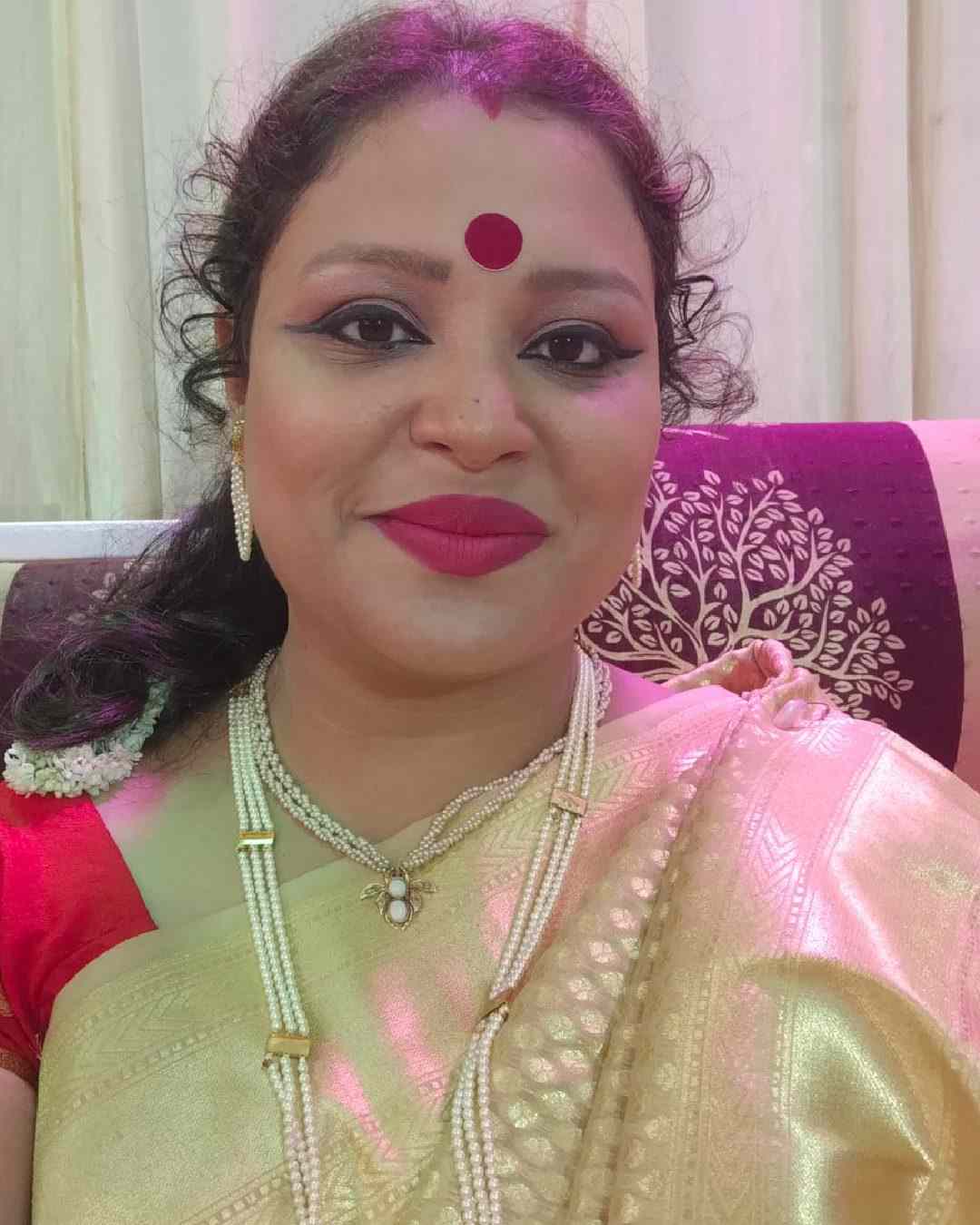
A spider locket, delicate yet striking, that has travelled across nearly 200 years of family history. It is believed that my mother’s grandmother first received it at her wedding. The original piece featured a large central spider, surrounded by smaller ones, adorned with real pearls and cat’s eye stones.
As the family’s circumstances changed over time, and with many daughters to pass it on to, the locket was carefully divided — each daughter receiving a single spider. My grandmother inherited one, which she later passed on to my mother, and eventually, it came to me. I am now the fourth generation to hold a part of this remarkable heirloom.
It is truly unique — something that cannot be found or recreated today. More than an accessory, it is a memory I carry close to my heart. Every time I wear it, I cherish that memory. I generally pair it with my favourite silk saris and I only wear it on very special occasions, Poila Baisakh being one. Since the string of pearls is strikingly white, I wear it with saris that have a contrasting border. I like keeping my makeup bold to complement the ensemble.
Sarbani Ganguly, 35, teacher
Three generations, one piece — an anklet that carries memories, rhythm and heritage
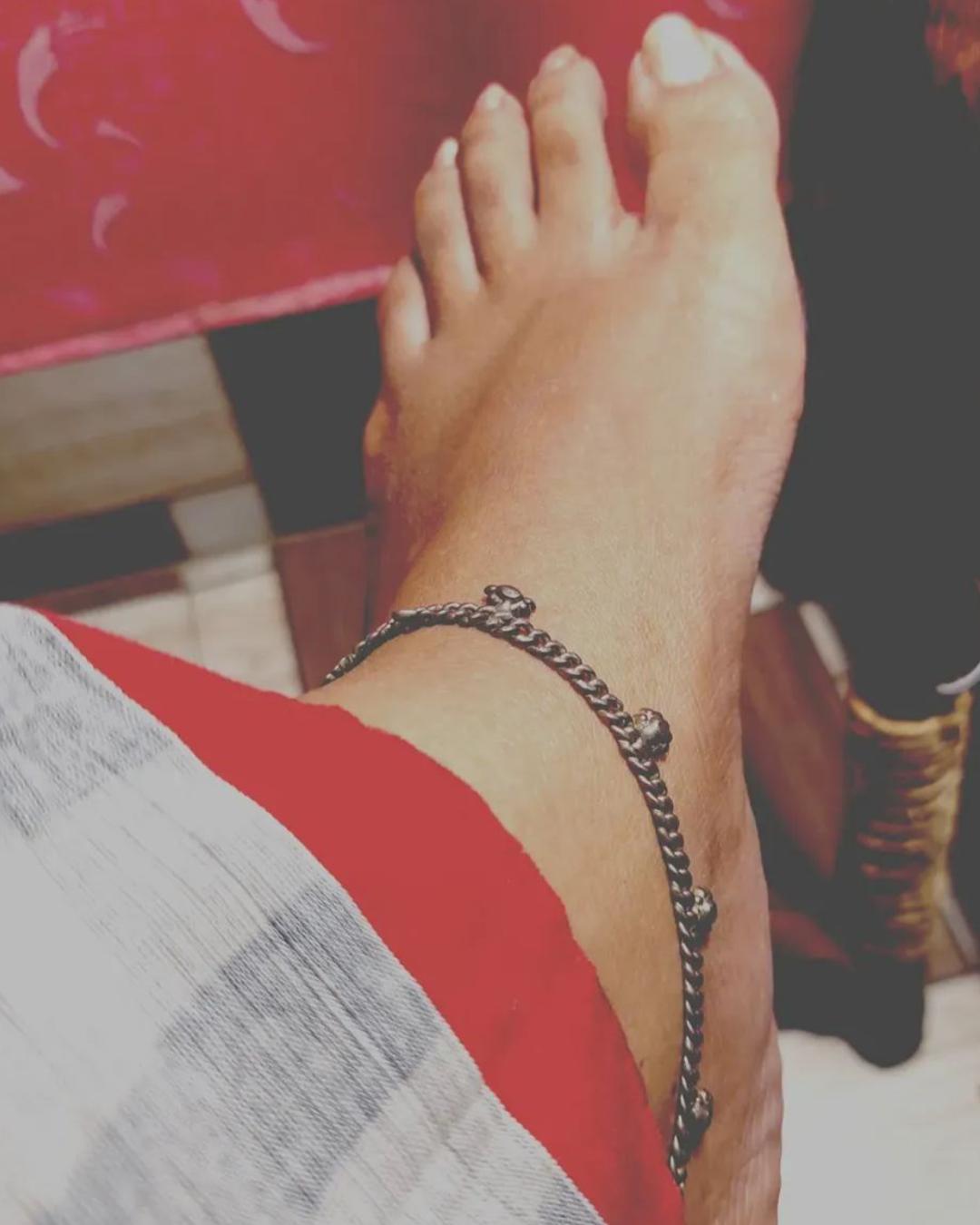
A 50-year-old silver anklet, once my grandmother’s, is now part of my journey as the third generation owner. Its timeless design blends effortlessly with modern style — chic enough for work, gatherings or any occasion.
And as a dancer, it becomes even more than an accessory, carrying a legacy that moves with every step I take.
Snigdha Roy, 35, manager, PwC ACs in India
A new memory woven into an old story
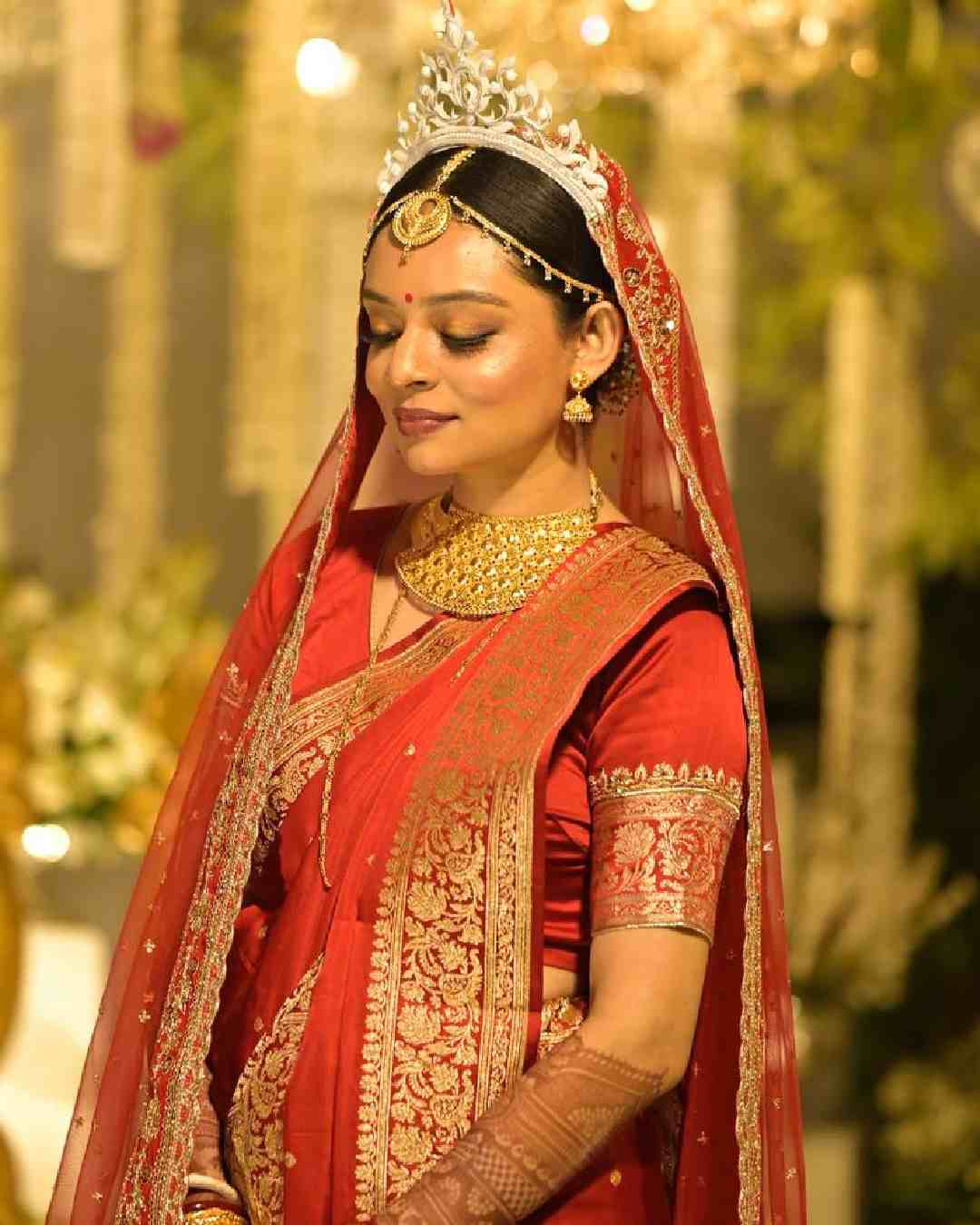
My daughter, Megha, inherited a necklace at her wedding in February. It first belonged to my aunt, who gifted it to her sister-in-law at the time of her marriage. From her, it found its way to my mother-in-law (who is related to her), and eventually to Megha, who inherited it as a treasured heirloom.
She wore the necklace during her wedding festivities, honouring the women who came before her. Since then, it has remained carefully preserved, brought out only on the most special occasions.
This Poila Baisakh, she told me she wants to wear it with a sari I gifted her. So it’s like a new memory, gently woven into an old story.
— Sharmi Dasgupta, 54, English teacher