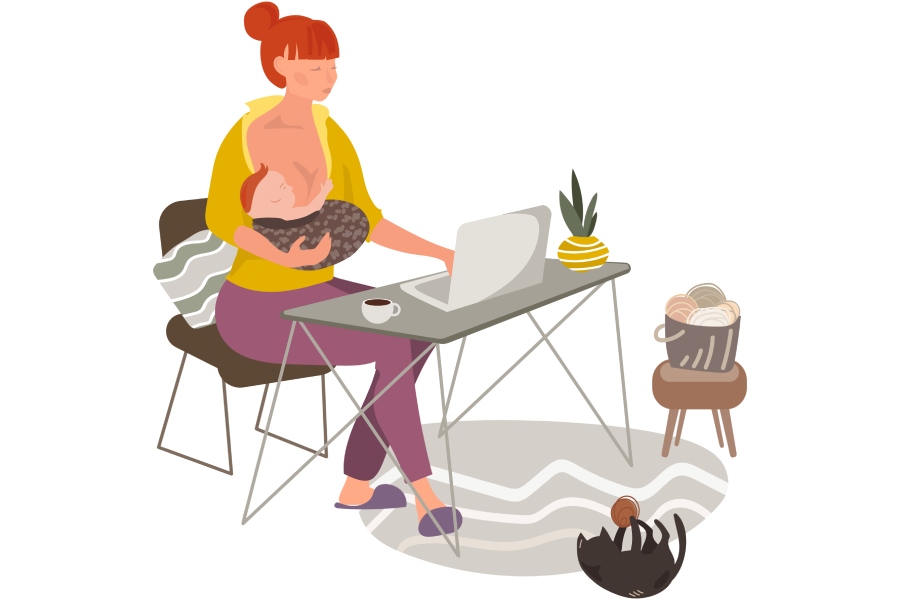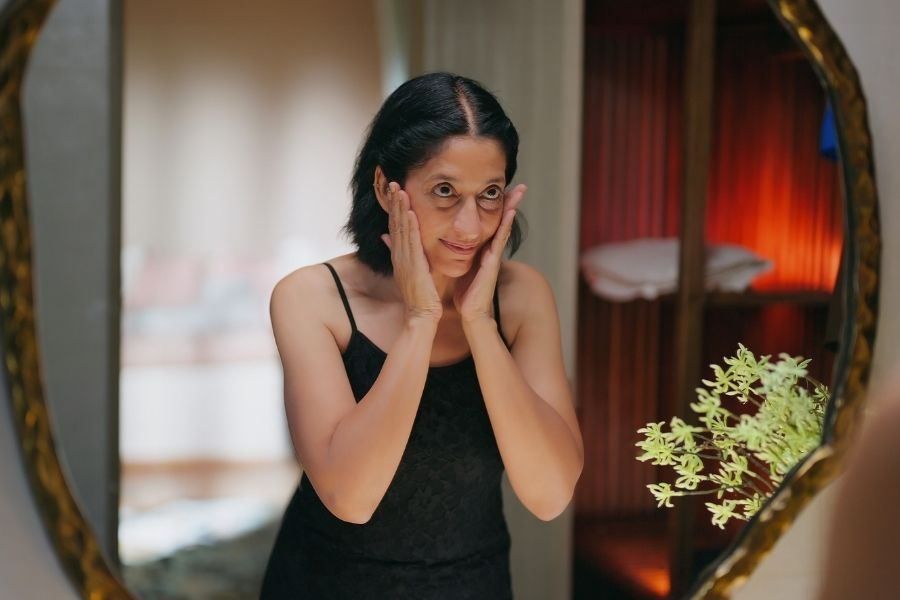
The morally ambiguous notion of the ‘hot mom’ has entered Indian domestic life. No longer limited to celebrities, the expectation to look fit, youthful and groomed now follows everyday mothers as they juggle work, home and children. My Kolkata spoke to mothers from Kolkata and beyond to understand how this pressure feels in real life.
For Anindita Roy Sanyal, a magazine editor, content creator and corporate professional with a nine-year-old son, the pressure is undeniable.
“Indian mothers today are definitely expected to look fit, youthful and effortlessly put-together, almost as if motherhood should leave no visible trace,” she said.
While judgement of women’s appearances has always existed, she felt the scale has changed. “Earlier, you were watched by family or colleagues. Now, you’re being watched by the digital world,” she added, calling appearance a “silent Key Performance Indicator (KPI) of modern motherhood”.
Social media and its expectations
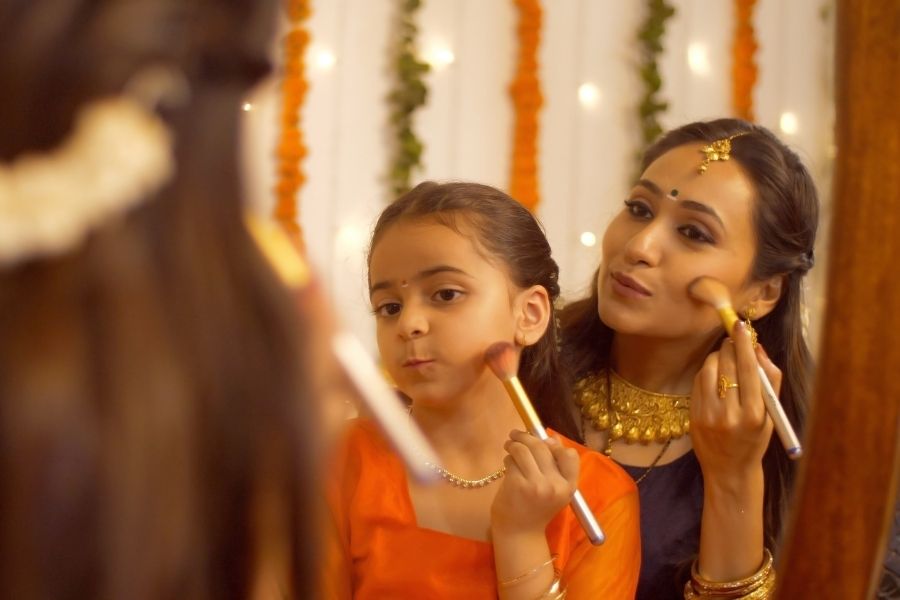
Many pointed to social media as the biggest driver of these expectations, with some saying platforms have turned motherhood into a performance
Several mothers pointed to social media as the biggest driver of these expectations. Roy Sanyal said platforms have turned motherhood into a performance. “Being a good mother now comes with an unspoken dress code. Clear skin, styled hair, curated lunches and a smile that never hints at exhaustion,” she said.
Sayantani Mukherjee, 33, a high school teacher from Kolkata now living in Bengaluru and mother to a two-and-a-half-year-old, blamed celebrity culture for worsening the pressure.
“With celebs highlighting how they returned to shape in 90 days and the whole ‘Santoor mommy’ concept, moms are expected to look fit within days of delivery,” she said. Calling it outrageous, she added, “Instead of asking ‘back to pre-baby body?’, we should first ask ‘back to eight hours of sleep?’”
When comparison becomes deeply personal
For Pritha Paul, a teacher and content creator in her early thirties, the pressure became emotionally overwhelming after childbirth.
“I was in pain, struggling to bond with my baby, and then I’d scroll Instagram and see mothers fully decked up after delivery. I kept asking myself, what’s wrong with me?” she said.
She admitted trying to mould herself into that image once she felt slightly better. “I dressed up, went for events, tried to look like the mother social media wants me to be. Hair perfect, makeup done, still taking care of the child,” she said. The expectation, she added, is not new. “I’ve heard my mother being told not to look shabby in front of the child. Now, it’s just louder.”
Has anything really changed?

Some new mothers say social media does not have to be damaging if approached mindfully
Joimini Seal Akram, 30, a Kolkata-born professional working in international government relations in Australia and mother to a five-month-old boy, offered a more layered view.
“This pressure has always existed, but the spectrum has changed,” she said. She felt increased awareness around postpartum health has eased expectations in her case. “Doctors, family and even workplaces are far more empathetic now. I personally have not felt pressured to be performative.”
Entrepreneur and mum to a two-year-old boy, Preety Pillai said social media does not have to be damaging if approached mindfully.
“When I see influencers eating well and taking care of themselves post-pregnancy, I think there are two choices. You either compare yourself with others and feel low, or you let it motivate you to take better care of your health and confidence,” she said.
The burden of being everything
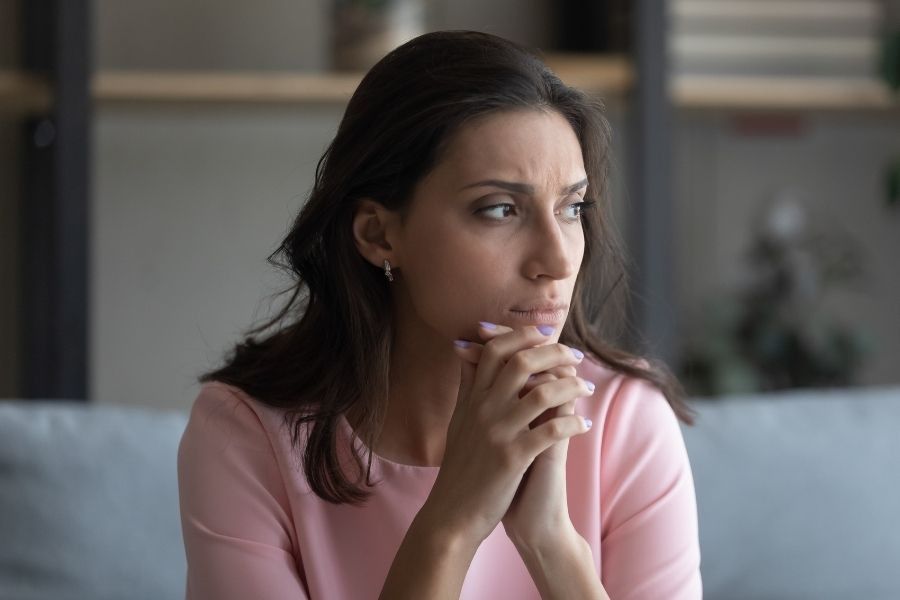
The pressure has intensified as more women work outside home
Consultant nutritionist Sucharita Sengupta, a mother of two, said the pressure has intensified as more women work outside the home. “A working mom is often expected to be a superwoman, managing everything flawlessly,” she said, adding that fathers doing basic parenting are still treated as exceptions.
Ritika Agarwal, a 39-year-old homemaker from Kolkata with a 16-year-old daughter and an 11-year-old son, felt the pressure to look youthful is relatively new. “Social media has created constant validation-seeking. Even children want their mothers to look good at school events,” she said.
Across ages and experiences, one truth stood out. As Roy Sanyal put it, “Motherhood doesn’t need better lighting. It needs more grace.”