Your hair style can make or break a day, undoubtedly! From sleek, straight strands to soft, bouncy curls, different hair styles complement different ensembles and different moods. Straighteners and curling irons can transform your look in minutes, but the wrong techniques or tools can leave your hair dry, brittle and damaged. City-based experts explain how to use heat safely and protect your hair from long-term harm.
Use standard-quality equipment
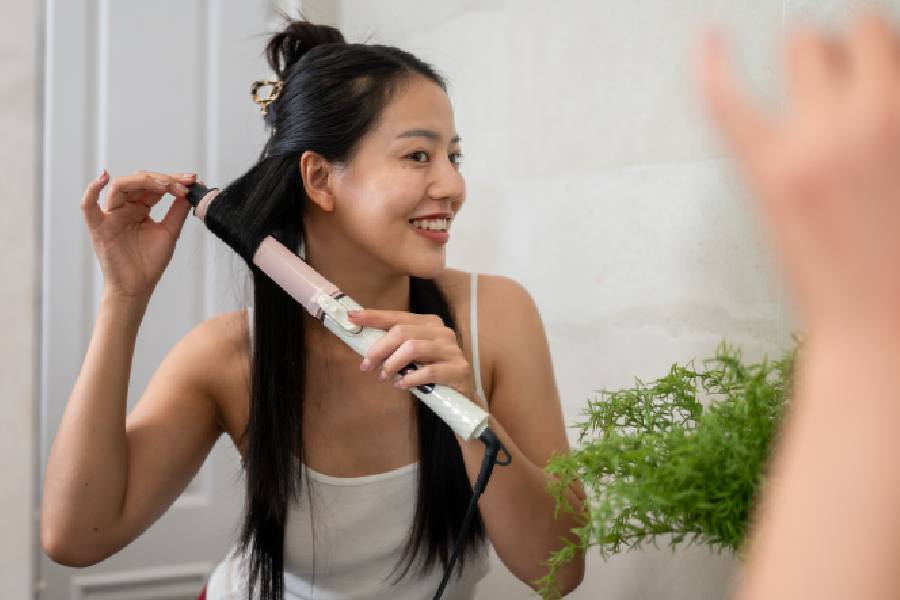
Using non-standard or low-quality straightening and curling tools can lead to severe and long-term hair damage, including dryness, brittleness and breakage. This often happens because such tools distribute heat unevenly and lack proper temperature control. Therefore, it is important to use styling tools made with proper coating materials. “Titanium works the best,” said hairstylist Shazia Khatoon.
Celebrity hairstylist Jolly Chanda advised using straightening tongs and curling rods that have temperature control or at least a digital display showing the heat level. “A failure to adjust the temperature may result in burning your hair,” she said, adding that different hair textures require different heat settings. “Fine hair requires minimum temperature. When you have coarse or very curly hair, the temperature increases,” Jolly explained.
She also emphasised that the tool should glide smoothly through the hair without causing friction as it would otherwise lead to breakage.
Avoid overheating
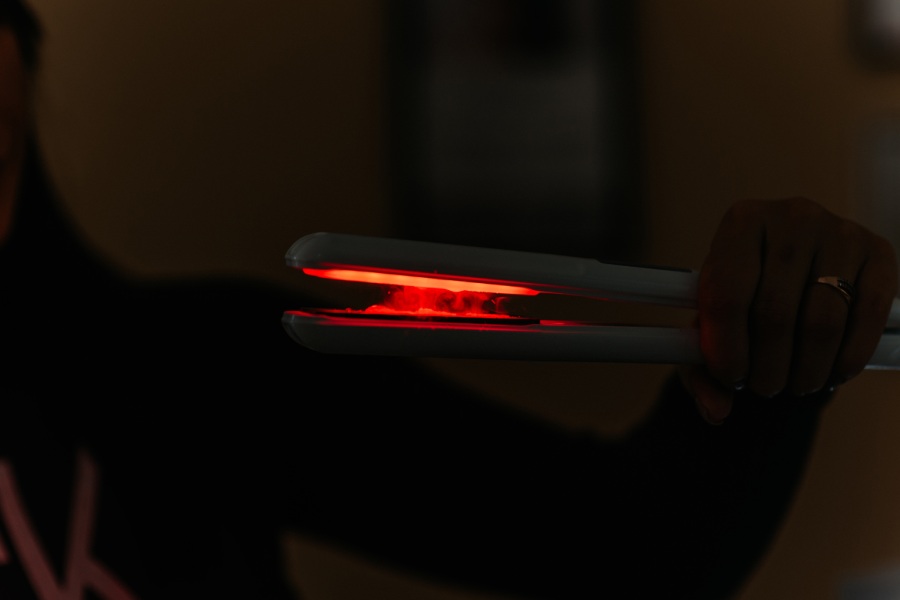
According to Jolly, the best way to determine the right temperature is through trial and error. Instead of pressing the tongs on your hair or wrapping it around a curling rod for 10-15 seconds, it is better to start with five seconds. If needed, apply heat again for another two seconds.
Overheating can permanently damage the hair’s texture and lead to long-term damage.
Never skip heat protection
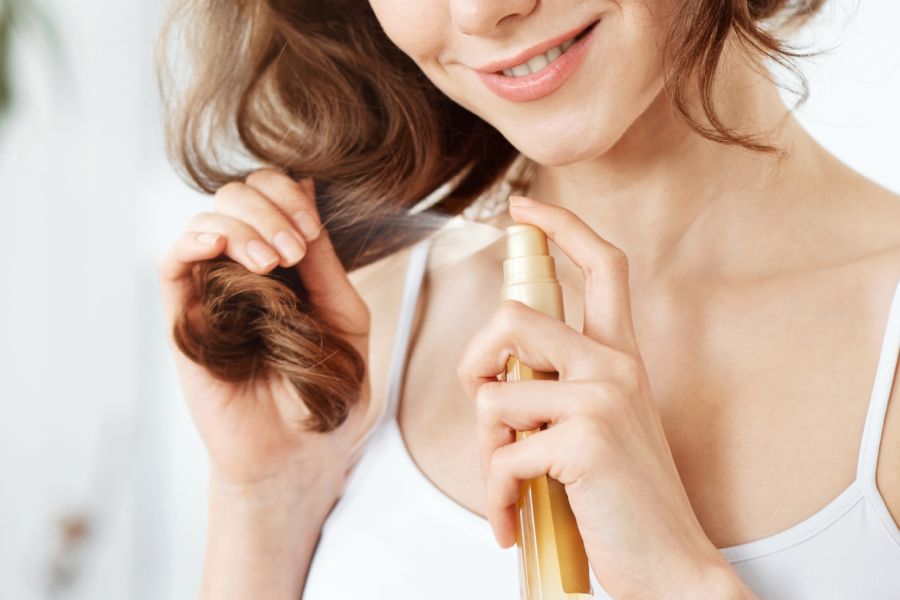
Skipping a heat-protecting serum or spray means there is no protective barrier between your hair and the heat. This can strip moisture from the hair, break down proteins and damage the cuticle.
However, choosing the right serum is equally important. Jolly explained that there are different serums for frizz control or dryness and others specifically designed for heat protection. Using a frizz-control serum before straightening or curling can actually worsen the damage because it does not protect the hair from heat. “It’s like oil. It will fry your hair,” she said.
Shazia added that the serum must be applied evenly throughout the hair. The hair should be divided into sections so that each part is coated properly. “After applying the serum, comb that section to make sure it is evenly spread,” she advised.
Never use a straightener or curler on wet hair
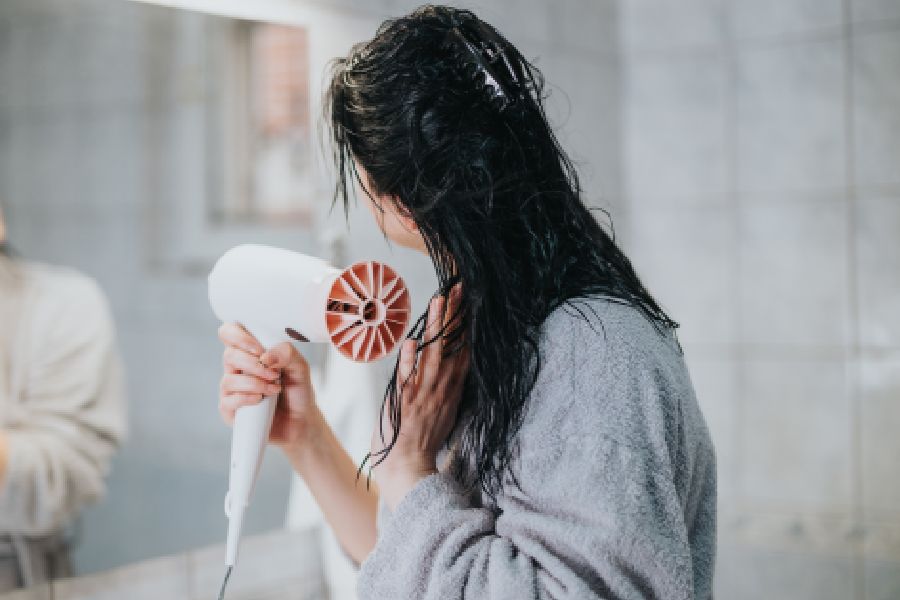
Hair must be completely dry before using a straightener or curling rod. This can be done either by blow-drying or allowing it to dry naturally. Applying heat to wet hair can lead to split ends and serious damage.
“Obviously, if you apply heat on wet hair, there will be steam. When the steam gets trapped between the plates, it basically bursts inside and cracks the cuticle. You will develop split ends, experience breakage, and destroy your hair straight away,” Jolly explained.
Extra caution for treated hair
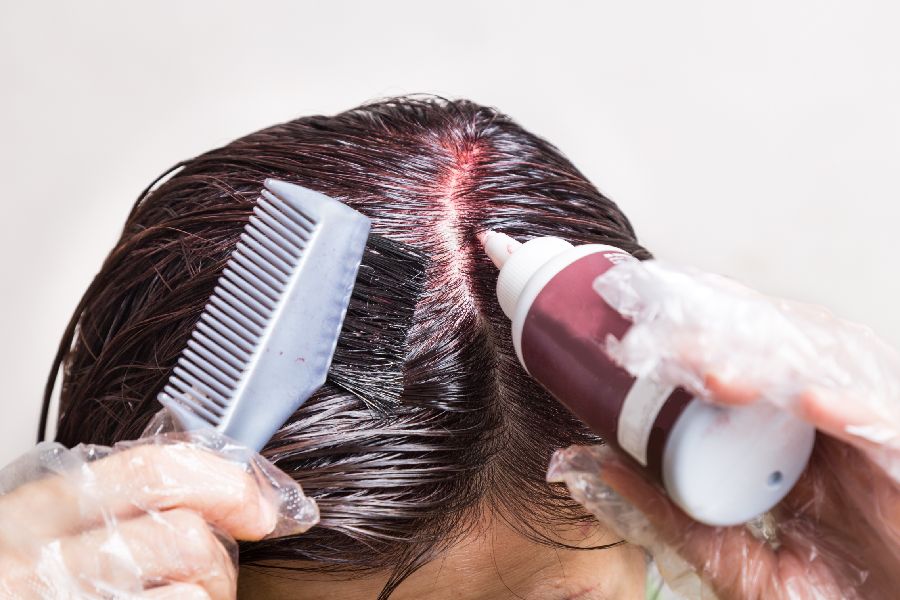
While virgin hair is relatively less susceptible to damage, chemically treated hair is far more vulnerable. If your hair has undergone keratin treatment, using a spray heat buffer is essential. A generous amount of heat protectant helps minimise damage.
Similarly, heat styling can cause coloured hair to fade or lighten. In such cases, a colour-guarding heat protectant should be used, Jolly explained.
“These products are readily available in the market, but it’s best to consult a hairdresser to understand which serum suits your needs. Each one of us requires a personalised hair-care routine,” Jolly concluded.