Pearls are having their moment in the spotlight, claiming their place as a staple of contemporary luxury jewellery. They are also rapidly becoming a part of celebrity fashion, thanks to their simplicity and understated elegance.
Think Alia Bhatt’s iconic white sari look on the opening day of Raj Kapoor’s centenary celebrations in 2024 completed with a statement pearl choker. Janhvi Kapoor, too, opted for a pearl-encrusted lehenga and pearl accessories during a promotional event for Sunny Sankari Ki Tulsi Kumari.
However, as the demand for pearl jewellery grows, the market is getting flooded with replicas masquerading as the real thing. To help buyers, My Kolkata spoke to industry experts on how to distinguish natural pearls from imitations — and how to style pearl jewellery this wedding and Valentine’s season.
Check for texture and luster
Shutterstock
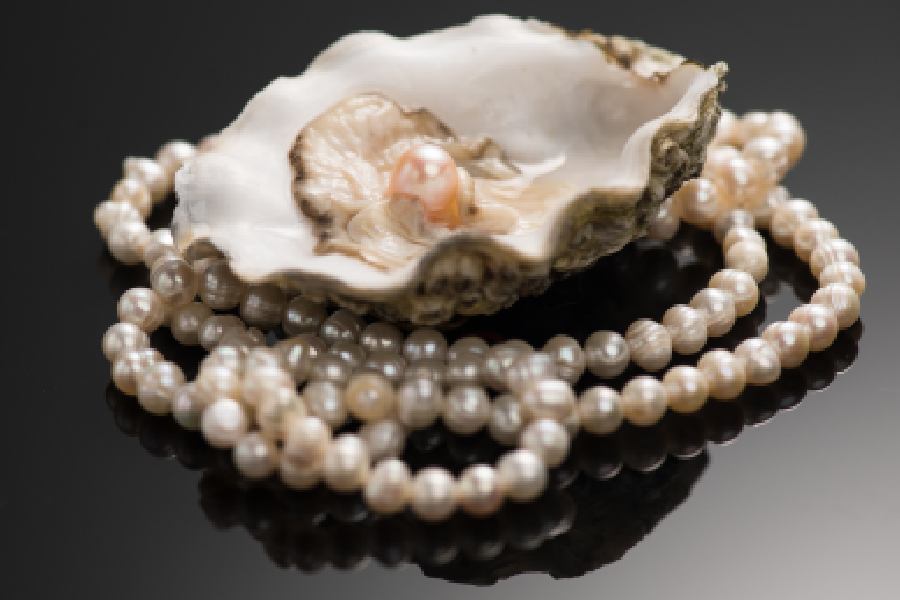
Imitation pearls are typically man-made beads crafted from glass, plastic, alabaster or shells. So, they tend to have a smoother finish. But, genuine pearls display subtle irregularities and fine ridges on their surface, visible to the naked eye on close inspection.
Natural pearls are not dazzling white. They have hints of pink, green or silver under the base hue. If pearls appear uniformly coloured, they are most likely artificial.
Explaining this difference, Yogesh Soni, director at Punamchand Jewellers, said, “We always recommend checking texture, lustre and uniformity. Real pearls are rarely perfectly smooth or mirror-like; they have a natural glow with slight irregularities.”
Observe the shape
Shutterstock
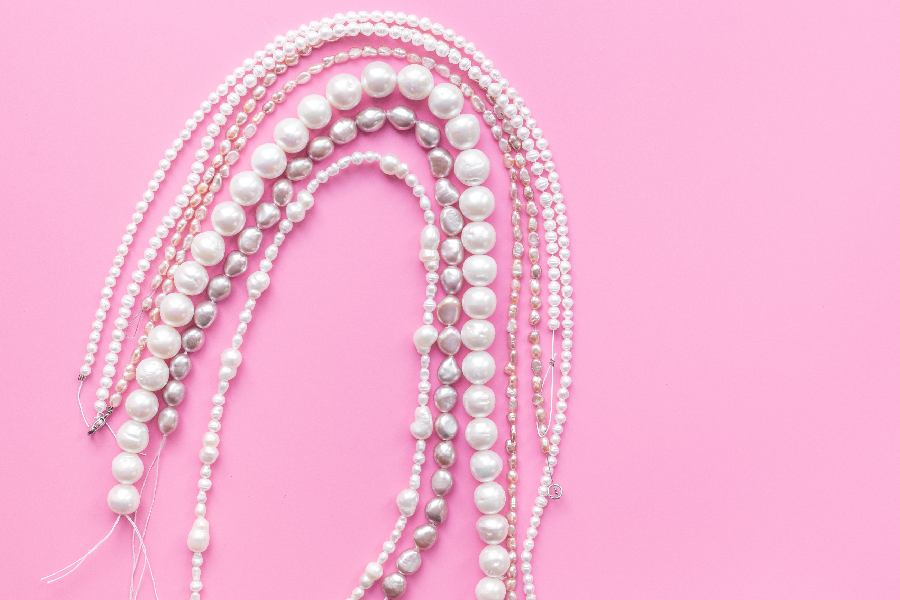
Most real pearls are rarely perfectly round. They come in all shapes including oval, button, coin, as well as totally irregular outlines.
“A real pearl is produced by pearl-bearing oysters in either fresh or salt water. Based on whether or not there is human intervention, pearls can be natural or cultured. Almost all pearls available commercially today are cultured. Truly natural pearls, formed without human assistance, are extremely rare and mostly found in museums. A necklace made from real pearls will always show subtle variations in size and shape. Perfect uniformity is often a red flag indicating imitation,” explained Pratik Dugar, Director at Indian Gem & Jewellery Collection.
The teeth test
Shutterstock
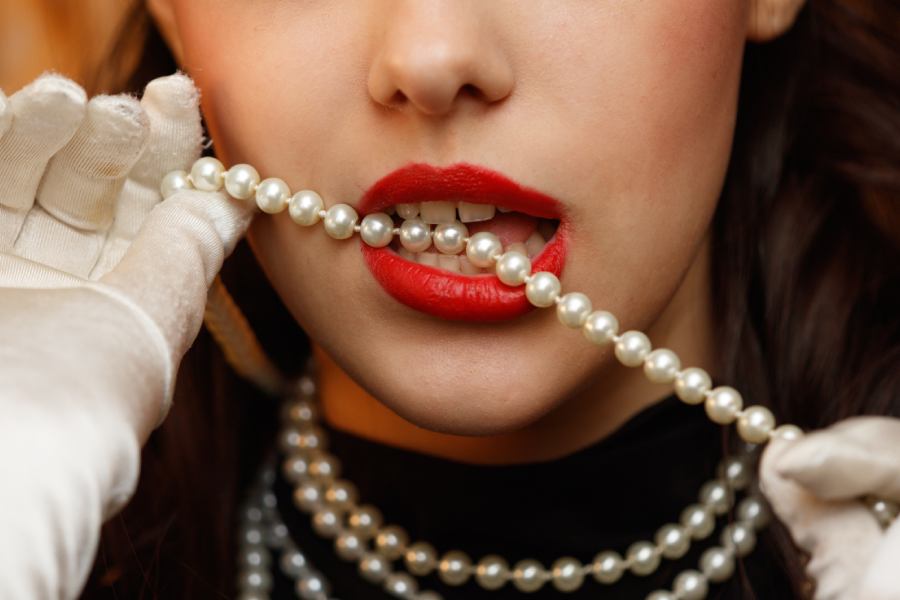
Abhishek Kajaria, Owner & Founder of Avama Jewellers, shared a simple trick to determine the difference between real and fake pearls.
“When you rub natural pearls lightly against each other or gently on your front teeth, they feel a little gritty. Fake or imitation pearls, however, usually feel smooth or glassy,” he explained.
How to style pearl jewellery
Shutterstock
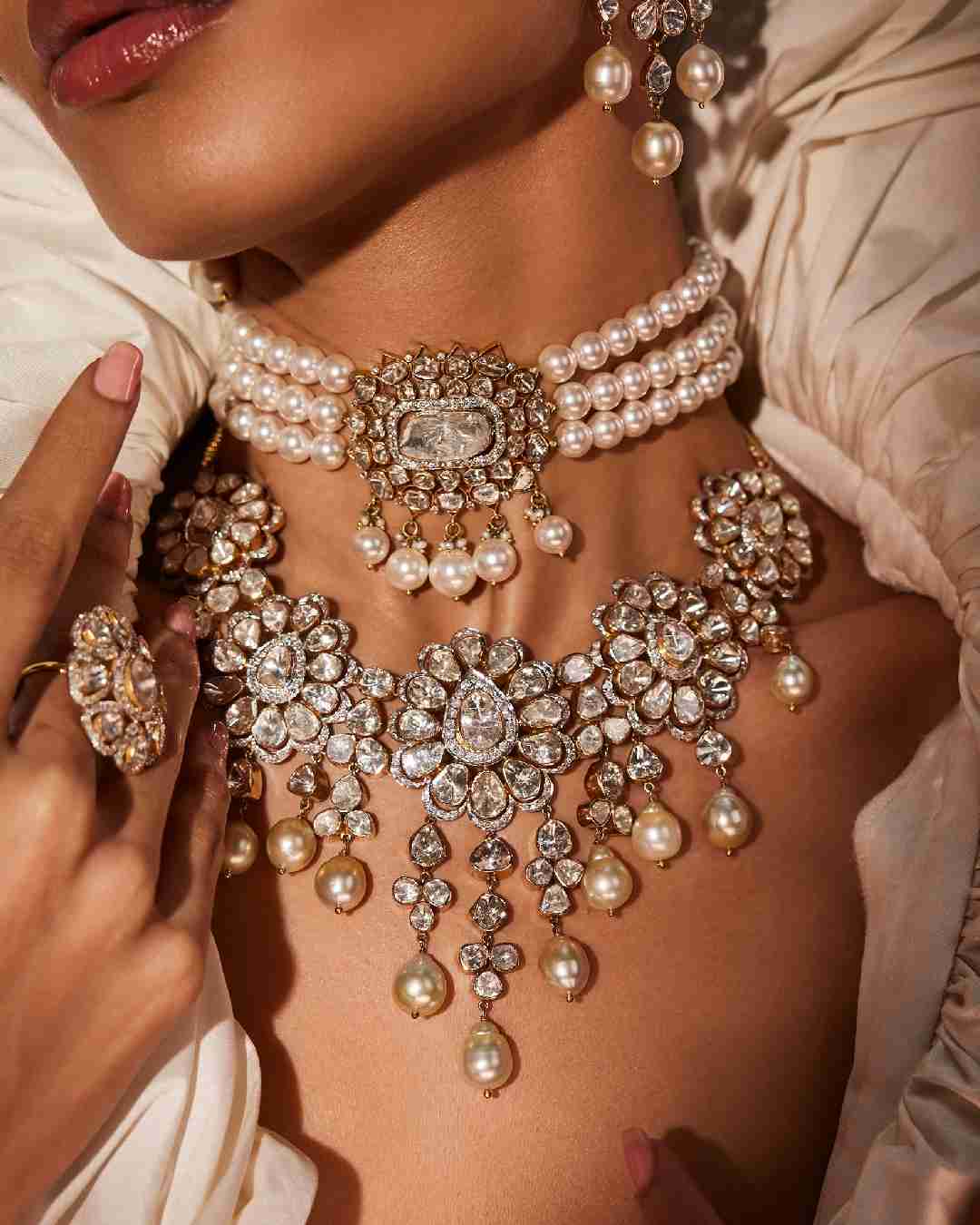
For a date, pearl chokers and ear studs pair beautifully with flowy dresses or classic black gowns. A plunging neckline can be elevated with a pearl choker or a tasselled Y-shaped pendant finished with pearls.
During the wedding season, multi-layered pearl necklaces complement bridal saris, while pearl-accented earrings accentuate reception looks. Don’t shy away from pairing pearls with diamonds, gold, silver or coloured gemstones. The combination adds a contemporary edge to traditional wedding jewellery.