If you have been sneezing uncontrollably lately, chances are that this reaction is triggered by dust and pollen. Allergic reactions to both of these allergens tend to spike at this time of the year, especially with rising pollution levels and smog across the city. Doctors say following some outdoor caution and indoor discipline can significantly reduce flare-ups. Here are seven practical tips to keep in mind.
Protect yourself outdoors with a mask
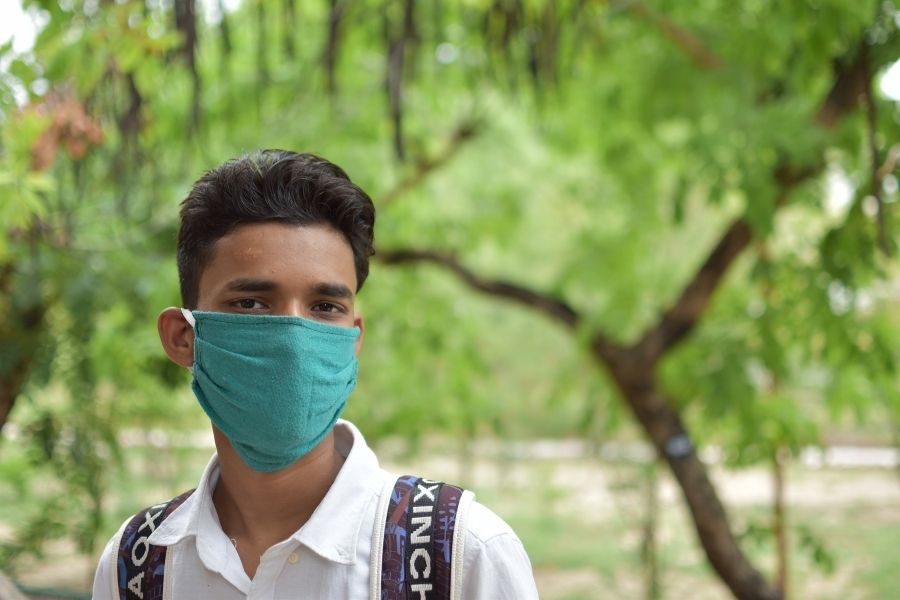
For those allergic to dust, limiting exposure outdoors is important. MS Purkait, medical superintendent, Techno India DAMA Hospital, says, “Nowadays, pollution levels are very high. It is often cloudy outside, with a lot of smog in the air. If you are allergic to pollen, you should always wear a mask when you go outside.” Using a proper mask can help filter out dust and pollen particles during daily commutes and errands.
Avoid rush hour traffic and dusty zones
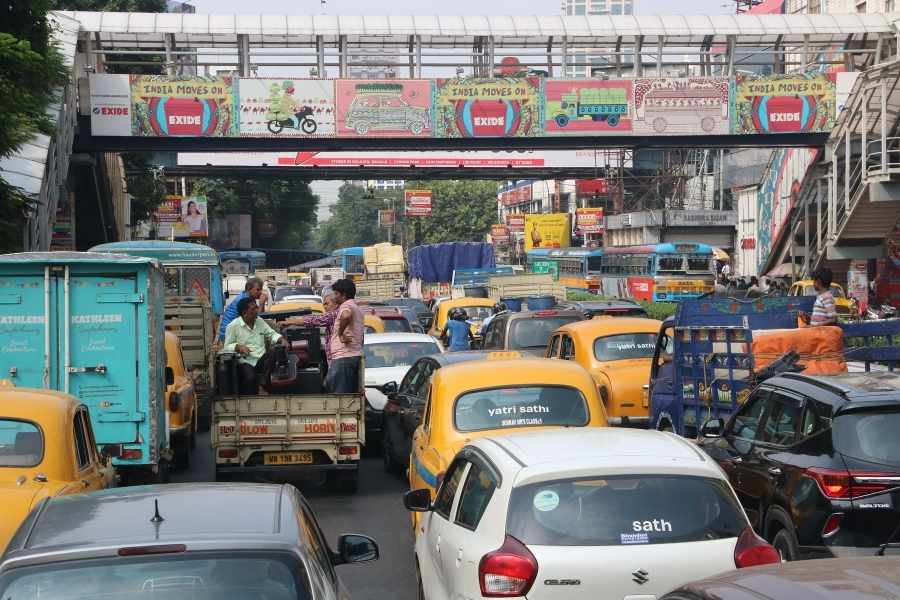
Congested roads often have higher levels of suspended dust and pollutants that can irritate the respiratory tract. Avoiding rush hour traffic and visibly dusty areas can significantly reduce exposure and prevent sneezing fits or breathing distress.
Improve indoor air quality
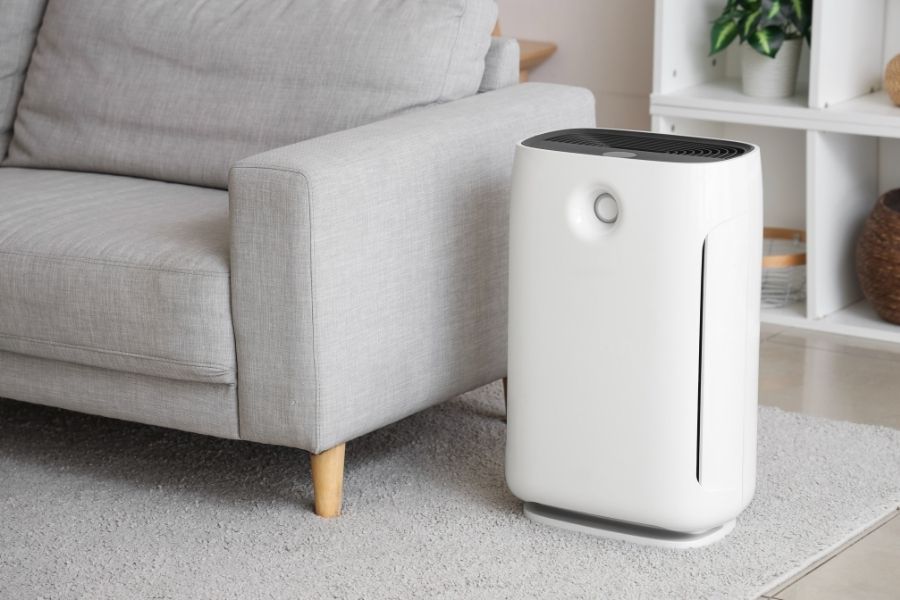
Inside your home, controlling air quality can reduce the chances of allergic reactions. The use of dehumidifiers, air purifiers, and air-conditioners can help reduce indoor allergens. Keeping windows closed during peak pollution hours and cleaning surfaces regularly can also control dust accumulation.
Stay hydrated to soothe your airways

Drinking plenty of liquids keeps the airways hydrated and may ease irritation caused by airborne particles. Drinking plenty of water can also help the body respond better to allergens.
Be mindful of indoor plants and flowers
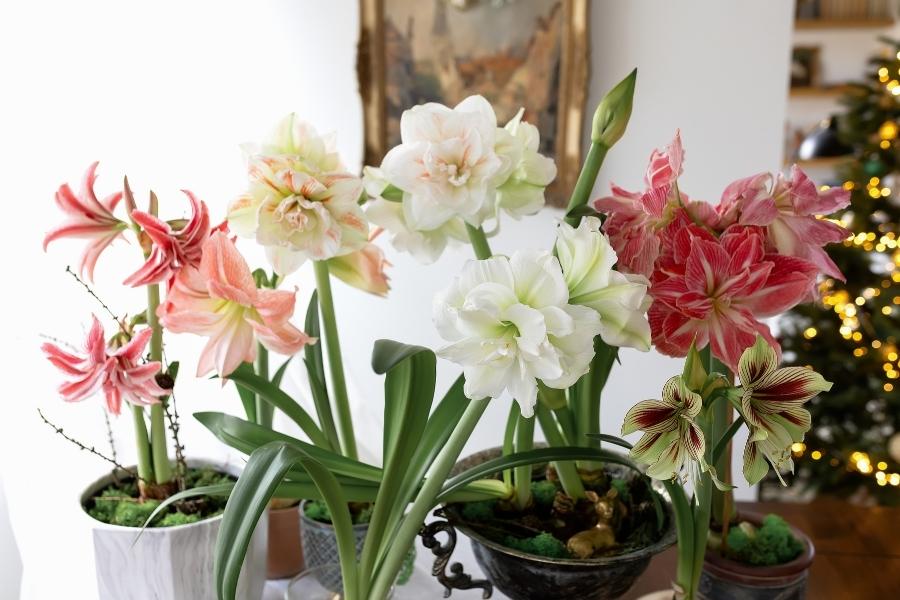
When it comes to pollen allergies, extra care is needed around plants and flowers, says Joydeep Ghosh, consultant, Internal Medicine, Fortis Hospital, Anandapur. He advises, “If you are keeping any flower plants at home, you have to be more careful. Preferably keep it outside, and it shouldn't be in a closed room.”
Avoid high pollen zones like forests and gardens
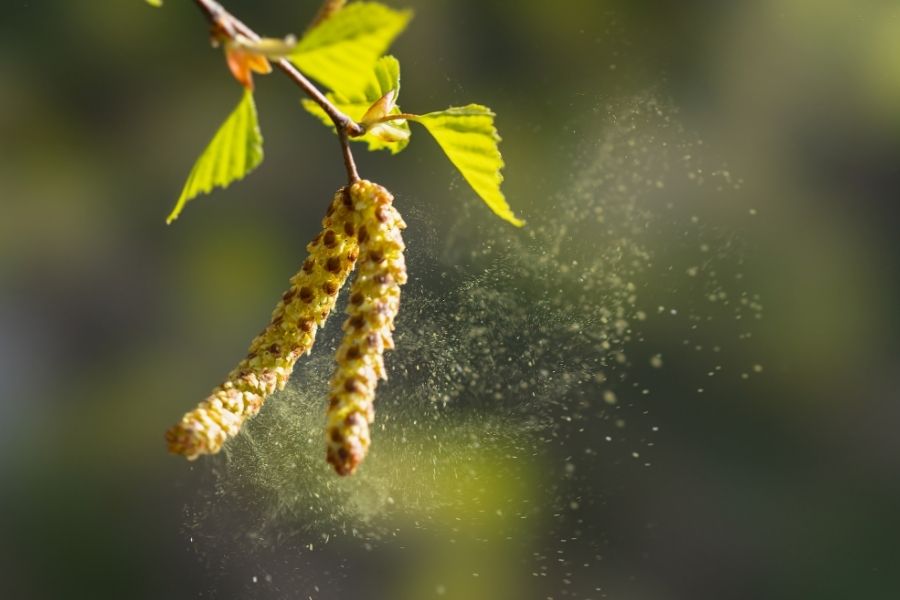
He also cautioned against visiting areas with heavy flowering or dust. “If you are allergic, it is better to avoid any forest or any kind of visit to such places where there will be a lot of flowers and dust”.
Plan outdoor activities during low pollen hours

Planning walks, exercise or errands during times when pollen levels are relatively lower, i.e., late afternoon, can help prevent severe reactions. A little vigilance and a few simple precautions can go a long way in keeping seasonal allergies under control.