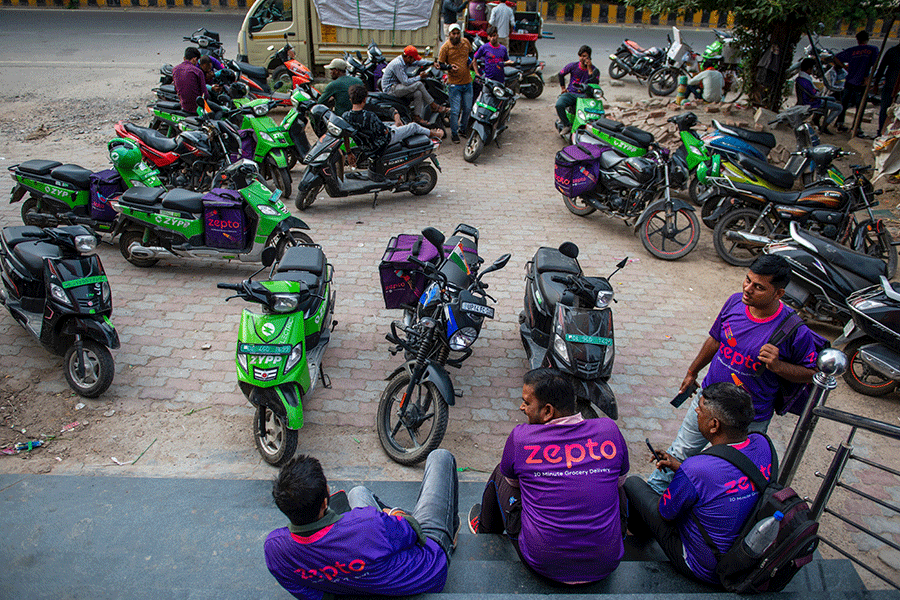
The removal of 10-minute delivery promises by quick commerce platforms has done little to ease the pressure on their delivery partners. Riders across Kolkata say the real stress comes from penalties, incentive- and app-driven controls that leave little room for error or rest. From penalising cancellations to ignoring unsafe workloads, the reality of delivery workers goes far beyond speed.
1. Penalties that erase earnings
For many riders, the biggest fear is not delays, but cancellations. A delivery partner from Behala, who switches between Instamart, Blinkit and Swiggy, explained how rejecting orders can be costly.
“Swiggy charges Rs 90 as penalty just for rejecting orders. So, if I cancel just one order it takes away most of my incentives.” And with incentives playing a major part in daily income, even one penalty can turn a long shift unprofitable.
2. Incentives tied to exhausting work hours
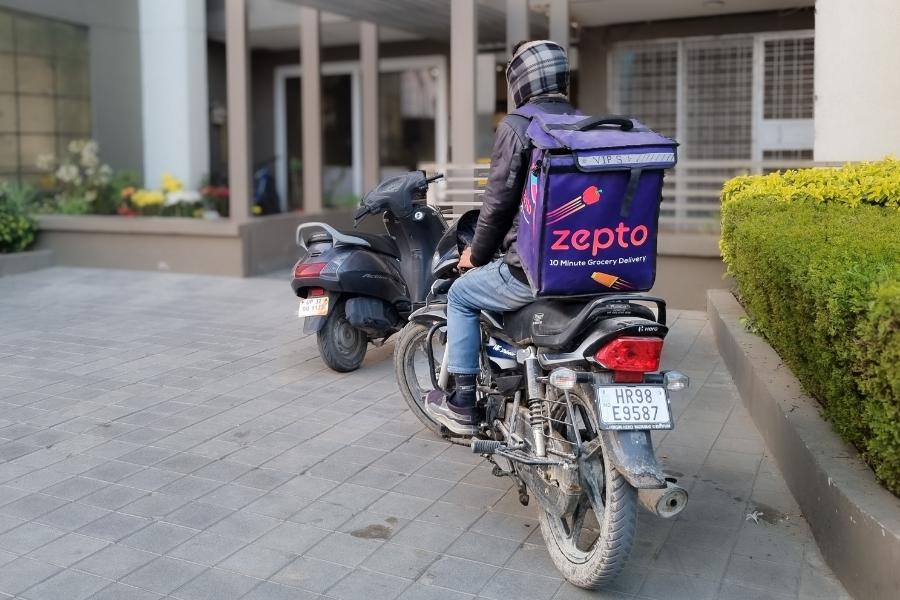
According to riders, completing 25 to 30 deliveries a day is necessary to earn a decent profit Shutterstock
Making a sustainable income often means chasing targets. According to riders, completing 25 to 30 deliveries a day is necessary to earn a decent profit. That translates into 12- to 14-hour workdays with hardly any breaks. A Behala-based rider said, “Every time I reject an order, a notification comes in.” The app nudges workers to stay logged in for as long as possible.
3. Heavy loads and unsafe expectations
Time is not the only challenge when orders are physically large. An Instamart delivery partner from central Kolkata recalled being assigned a heavy grocery order along with two crates of water bottles.
“This order should be delivered by two persons. When I called support, they said the only option I have is to cancel the order. They could not split it,” he said. Carrying such loads alone increases the risk of injury to self and breakage of goods.
4. Inadequate back-end support systems
When problems arise, app support often offers solutions that hurt riders financially. In the case of big/heavy orders, customer support advises cancellation. “But that would take away my incentive,” the rider said. With little on-ground assistance, workers are forced to choose between safety and income.
5. Public spotlight does little for structural change
When MP Raghav Chadha spent a day as a Blinkit delivery person, the video sparked conversations around rider stress and low pay. Delivery partners say such moments bring visibility, but rarely lead to policy changes.
Narendra Shaw, a delivery partner in south Kolkata, said, “It has not changed anything for us; we are still racing against time because we get the next order on a first-come first-serve basis. So, the faster I complete a delivery, the sooner I am assigned the next. That’s how I achieve my targets. What we truly need is a revision in the pay structure.”
Even without strict timelines, the race continues through algorithm-driven ratings and targets.
Do we really need 10-minute deliveries?
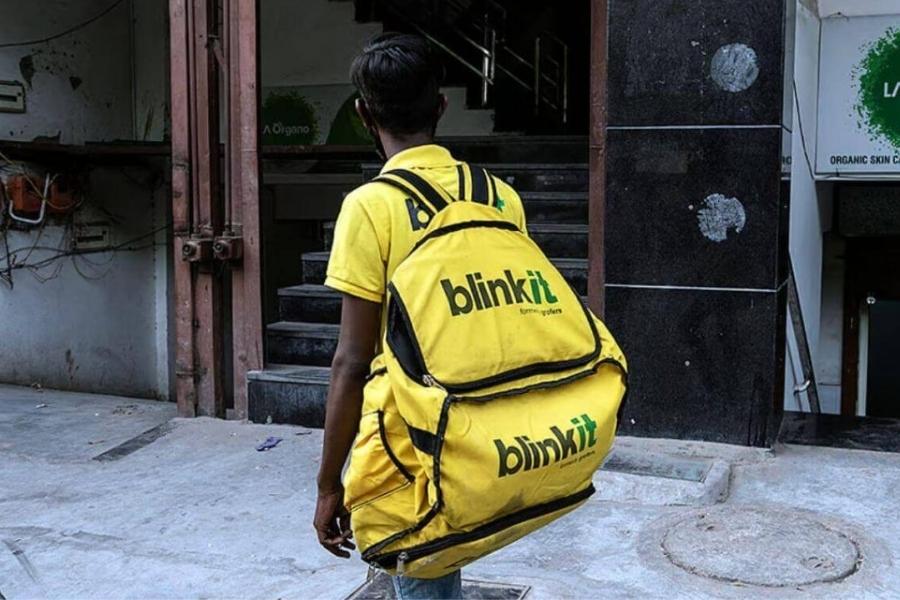
Industry voices across food, hospitality and retail question whether ultra-fast deliveries serve any real need or simply feed an unhealthy culture of instant gratification.
Raja Sandhukhan, principal of IHM Kolkata, believes the idea itself is flawed. “Do we really need deliveries in 10 minutes? This demand reflects a hectic and chaotic lifestyle. Last-minute requirements have been turned into a selling point, with apps advertising 10-minute delivery as an achievement. Life is more precious. We can wait,” he said, tracing the mindset back to the era of pizza deliveries promising free food if orders were late.
Rohit Raj Ghosh, owner of Dwarik’s Grandsons, feels the issue runs deeper than just convenience. “The current generation defines urgency very differently. We have forgotten how to enjoy a meal with family and loved ones. Online delivery apps have made people take access for granted, believing they can get anything at any time,” he said. According to him, constant promotions push unnecessary consumption, whether food, groceries or shopping.
“Today, algorithms run the apps and we have lost the human touch. It is alarming.”
Vikas Kumar, director of food production at Apeejay Surrendra Park Hotels Ltd, is more direct in his criticism. “Non-essential deliveries should be discouraged. People should step out and support small businesses. 10-minute delivery is inhumane,” he said.