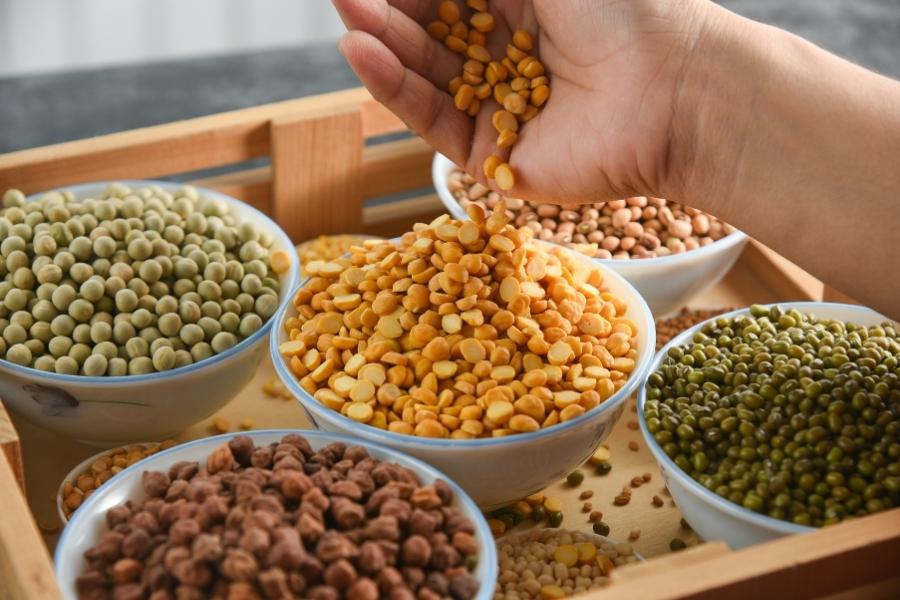
In a city where fish reigns supreme, dal anchors everyday meals and special occasions alike. On World Pulses Day, Kolkata’s food lovers and chefs speak about their favourite dal dishes, the phoron that defines them and the pairings that turn a simple bowl into something unforgettable.
Maachher matha diye moong dal: A celebration on a plate
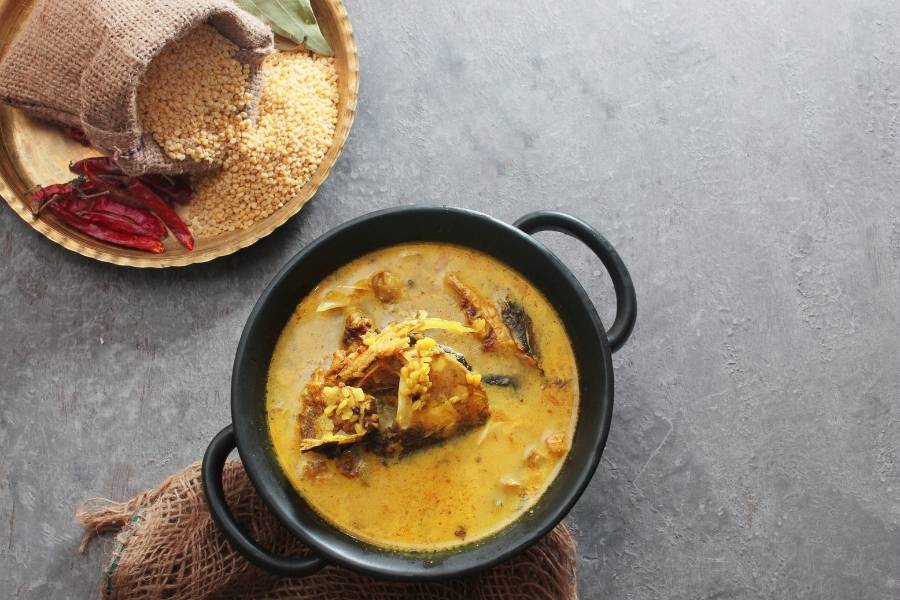
“I am a bheto Bengali at heart. I love machher matha diye moong dal. I can’t tell you how much I love that with a dollop of hot, piping white rice. It’s heavenly,” said food vlogger Pritha Paul. For her, the dish begins with the freshest fish head, never one lying in the fridge for days. The aroma of bhaja moong dal, lightly fried before cooking, sets the mood.
“The phoron of bay leaf, red chillies and ginger complete the dish,” she added, insisting that it tastes best with ghee. In her home, the dal is reserved for special occasions. “Whenever I see maachher matha and moong dal happening, I know it’s something special. Even if I forget the date, I know that day means something.”
Chef Preetam Bhadra echoed something similar. “Maacher matha diye bhaja mug’er daal is always a favourite,” he said, preferring katla or rui fish head with sliced onions and grated ginger as phoron, finished with gondhoraj lebu. “Monsoon lunch after school. And a long nap after that.”
How dal became central to Bengali cuisine
Chef Oindrila Bala puts dal in a historical context. “Centuries ago, Bengalis had plentiful fish and there was no lack of protein,” she explained. Dal became essential largely through the food cooked by widows, who faced strict dietary restrictions and were forbidden from eating fish or meat.
“Moong dal became a favourite because it was considered satvik,” she said, adding that masoor was avoided as it was seen as tamasik. Over time, dals became central to Bengali cuisine. Her personal favourite remains chholar dal.
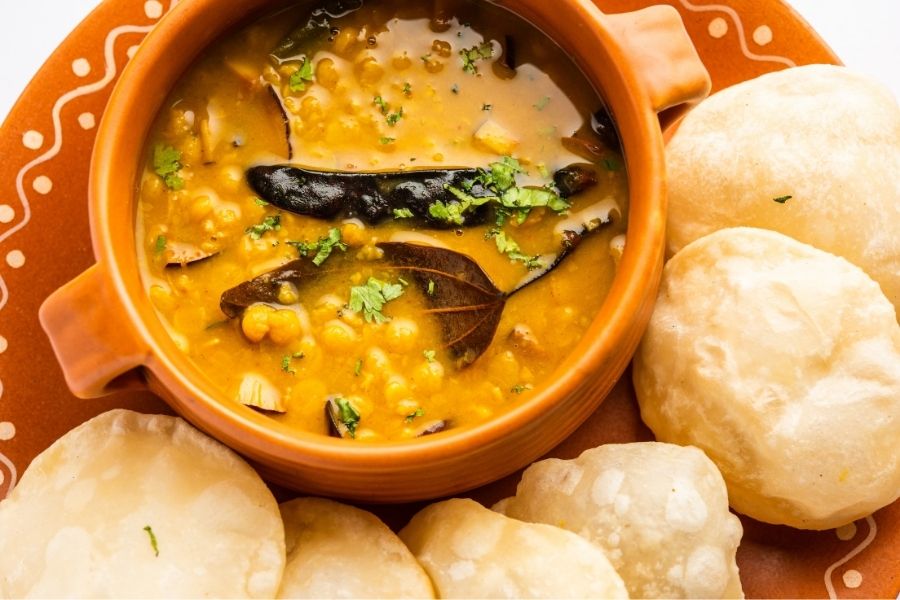
“It’s a Sunday staple and goes beautifully with luchi, kochuri and pulao,” she said, recalling childhood Sundays when her mother would cook chholar dal at home. While chholar dal traditionally uses jeera phoron, she says panch phoron is the Bengali favourite across most dals.
Dal, posto and childhood nostalgia
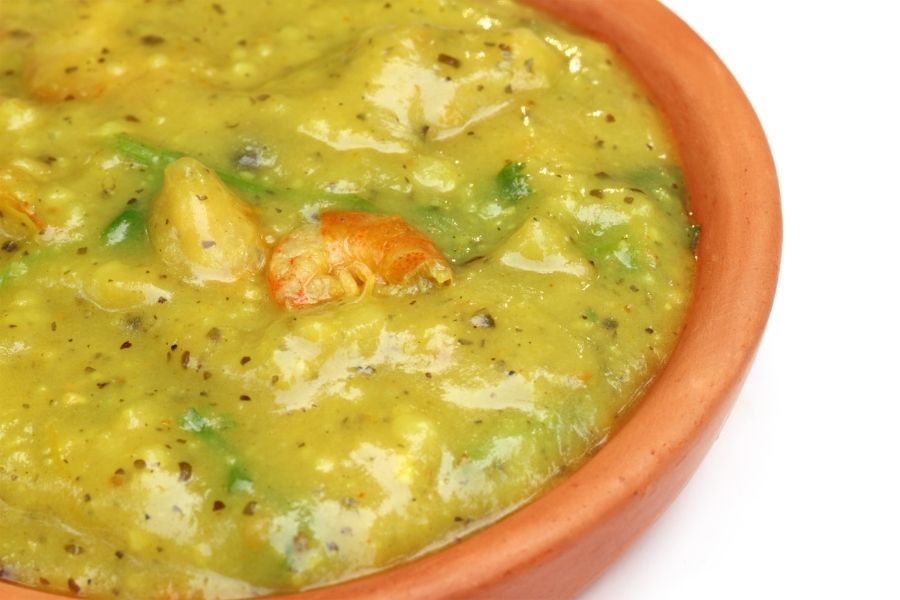
“My favourite dal recipe is a quintessential Bengali one, biuli’r dal with alu posto. Tempered with fennel paste, ginger paste and red chillies, biuli’r dal is the perfect comfort food for me,” said Toonika Guha, who runs a supper club in Gurgaon.
She recalled visits to her maternal grandparents, who would cook kancha posto, biuli’r dal and alu posto just for her. “My favourite way to have it is to mix the dal with hot rice, add a few drops of lime juice and have it with a bite of aloo posto with each handful.”
A winter-only dal worth the wait
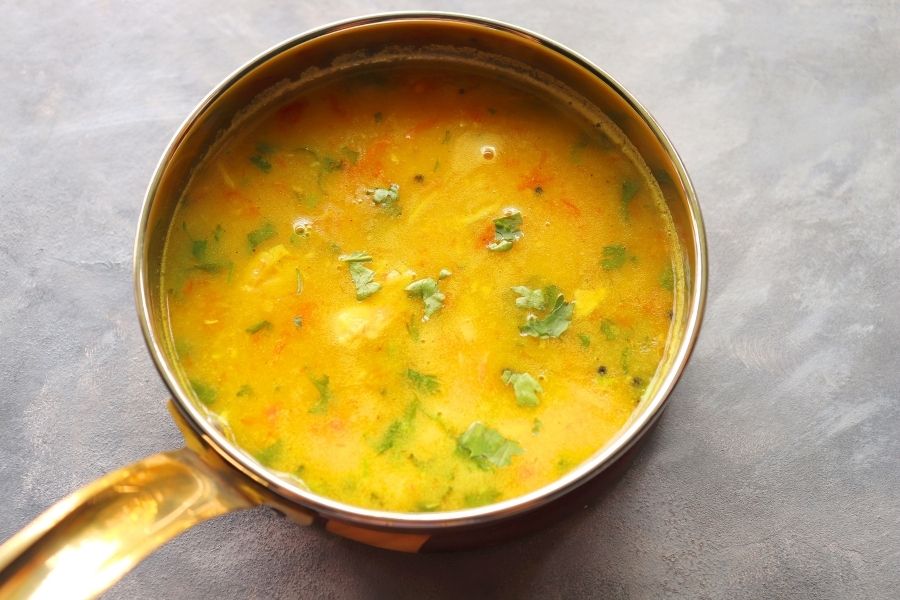
“I wait for this lentil for an entire year,” said chef Subhojit Sen, speaking about methi saag dal boti, a winter dish made with fresh methi saag and masoor dal. Dry in texture, the dal and greens are first boiled with very little water, allowing the masoor dal to remain slightly lumpy, then cooked with turmeric and salt.
“It is finished in mustard oil with dry red chillies, black cumin and plenty of garlic,” he explained, adding that black cumin and dry red chilli are his preferred tempering for almost anything, be it dal or potatoes. “Methi saag is not available all the time. That’s why this dish is special. My mother makes it during winter, and I love it very much.”
The nutrition perspective
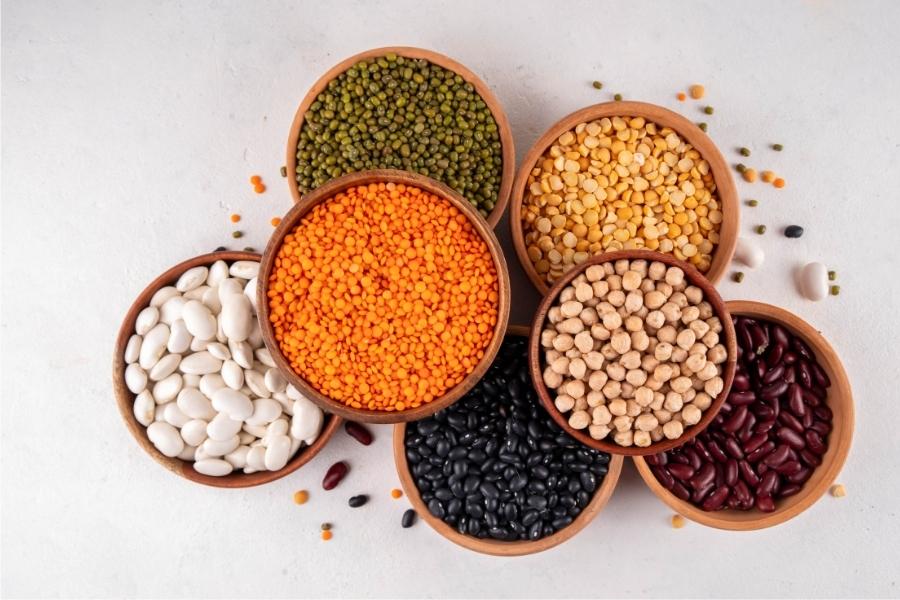
Nutritionists, however, point out that while dal is an essential part of Bengali cuisine, it also plays a significant role from a health perspective.
“Pulses do contain protein around 25 to 35 grams per 100 grams,” said Srabani Mukherjee, chief dietician at Fortis Hospital, Anandapur. She explained that while plant-based proteins are not complete proteins like animal sources, pulses remain an important natural source of protein in everyday diets. In recovery or illness, she notes, complete protein supplements may be more effective, but dals continue to play a vital role in balanced meals.