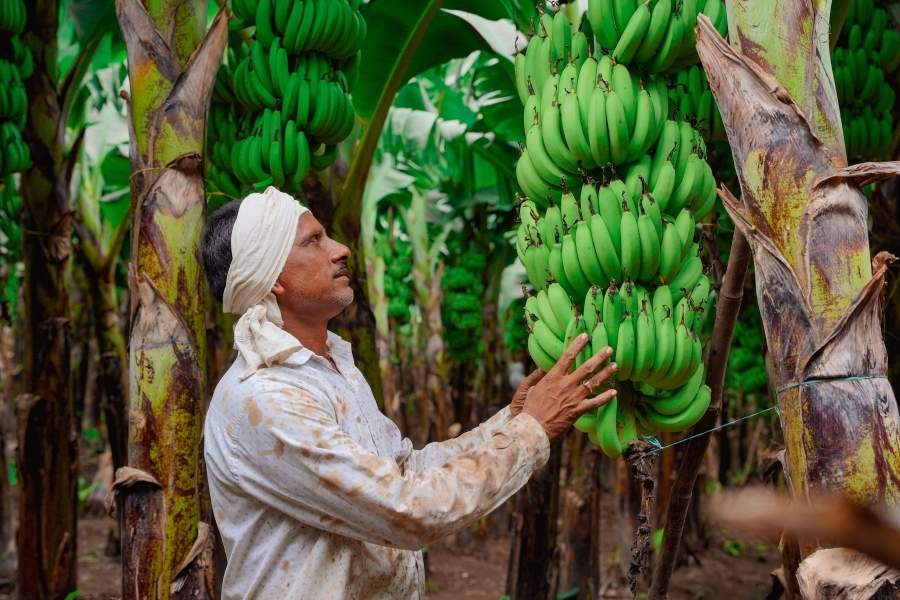
When sustainable eating is discussed today, it often comes wrapped in new-age terminology like zero-waste cooking and optimal use of ingredients. Bengali cuisine, however, has practised sustainable eating for generations. Shaped by famines, agrarian life and a culture of mindful consumption, Bengal learnt early how to honour ingredients fully. The banana tree stands as one of the greatest examples of this philosophy, where almost nothing is discarded and everything finds a place in the kitchen.
Raw banana (Kanchkola)
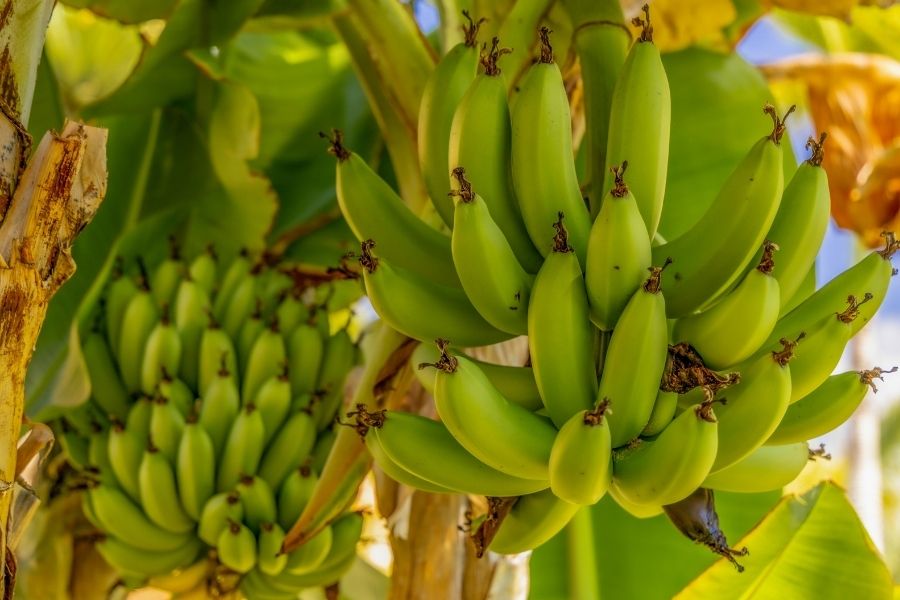
In many Bengali households, raw banana or kanchkola is treated almost like medicine. Low in sugar and high in fibre, it is considered ideal for digestion and blood sugar control. Shingi macher patla jhol with kancha kola is a trusted remedy for an upset stomach, while boiled and mashed raw banana finished with mustard oil is comfort in its simplest form.
But, kancha kola is not confined to illness. Kanchkolar kofta makes for a show-stealing vegetarian dish, and chunks of raw banana often appear in shukto and even ilish er jhol. Rich in resistant starch, potassium, vitamin B6 and magnesium, it balances both nourishment and flavour.
Ripe banana (Paka kola)
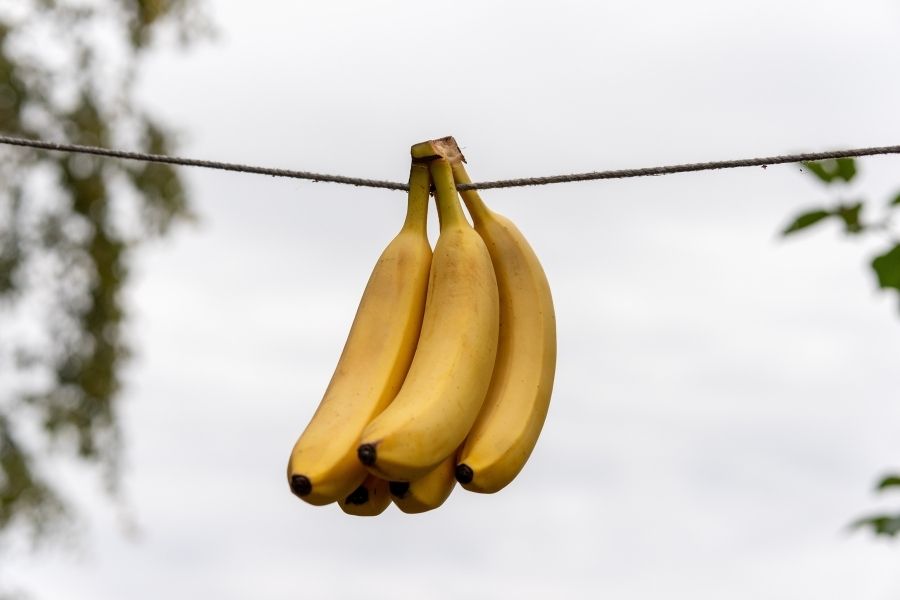
As the banana ripens, it takes on a sweeter role in the Bengali kitchen. Beyond being eaten as fruit, ripe bananas feature in traditional delicacies like malpua and pithe. Kolar bora, made by mashing overripe bananas with jaggery, coconut and rice flour before deep frying, remains a beloved treat. Easy to digest and packed with potassium, vitamin B6 and vitamin C, ripe bananas provide quick energy while supporting heart health and blood pressure regulation.
Banana flower (Mocha)
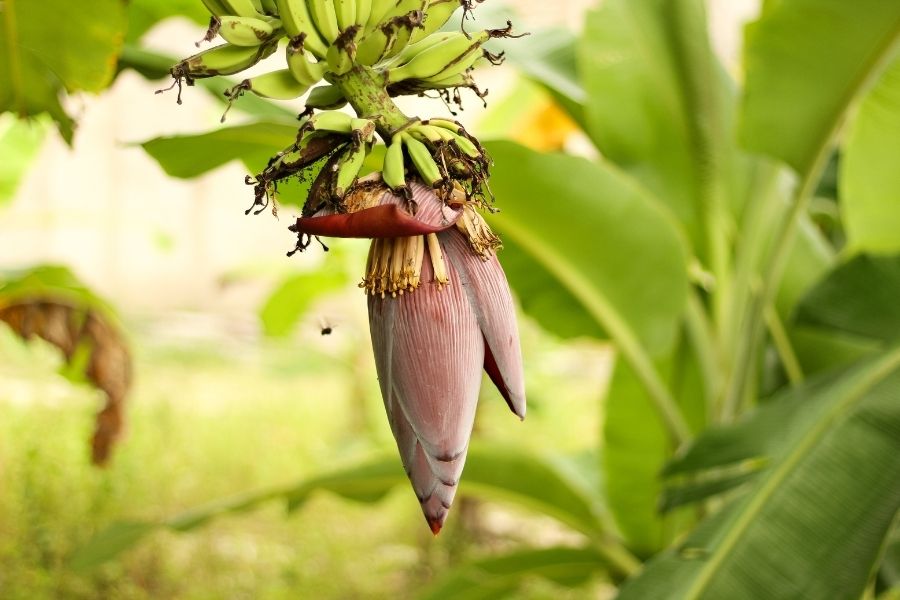
Mocha, or banana flower, demands time and care, but the results are flavourful and satisfying. From mochar ghonto and mochar chop to the much-loved mocha chingri, the banana flower adapts easily to vegetarian and non-vegetarian cooking. Modern Bengali kitchens are also experimenting with mocha salads, reimagining this traditional ingredient. Nutritionally, banana flower provides carbohydrates, protein and essential micronutrients, and is traditionally associated with benefits for blood sugar management, menstrual health, digestion and wound healing.
Banana stem (Thor)
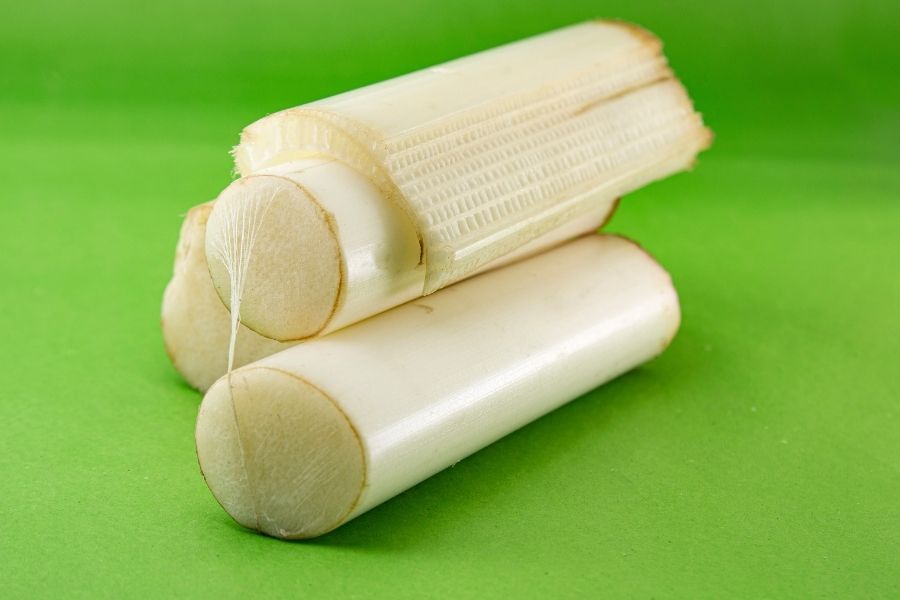
Banana stem, known as thor in Bengali, is perhaps the most underrated part of the tree. High in fibre, potassium and vitamin B6, it is believed to help with acidity, ulcers and iron absorption. Thor bhaja, thor ghonto and thor chhechki are simple, everyday dishes that prioritise health over flair. Cleaning and cutting the stem is often seen as tedious, but those who swear by this insist the effort is worth it. This is one ‘Thor’ that heals rather than fights.
Banana leaf (Kolapata)
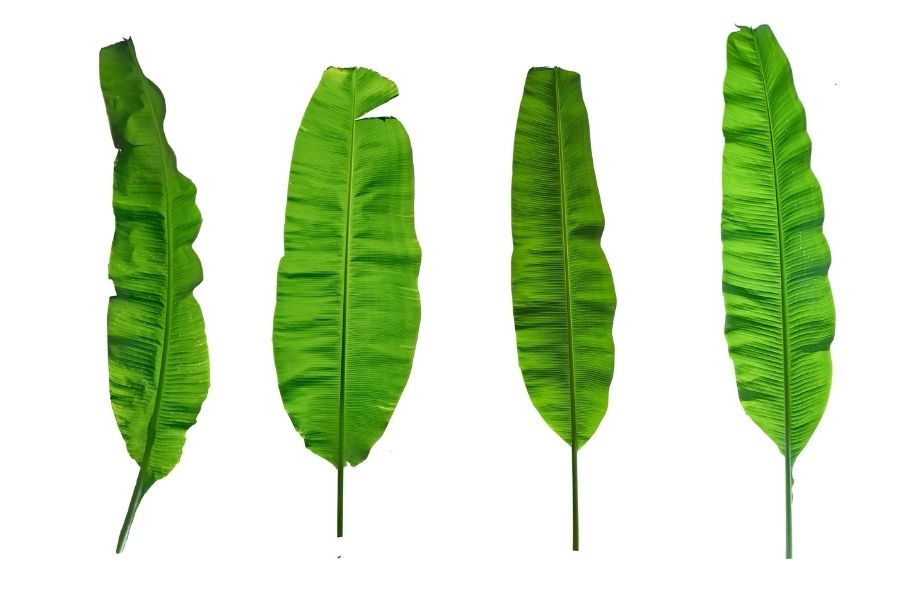
While not eaten, banana leaves are central to Bengali cooking. Used as plates and as wraps for steaming or frying fish, meat and chana paturi, they impart a subtle earthy aroma to food. Cooking on banana leaves allows food to absorb beneficial polyphenols, aids digestion and remains environmentally sound. Heat-resistant, waterproof and antimicrobial, the leaves are prepared by gently passing them over a flame to make them soft, glossy and easy to handle.