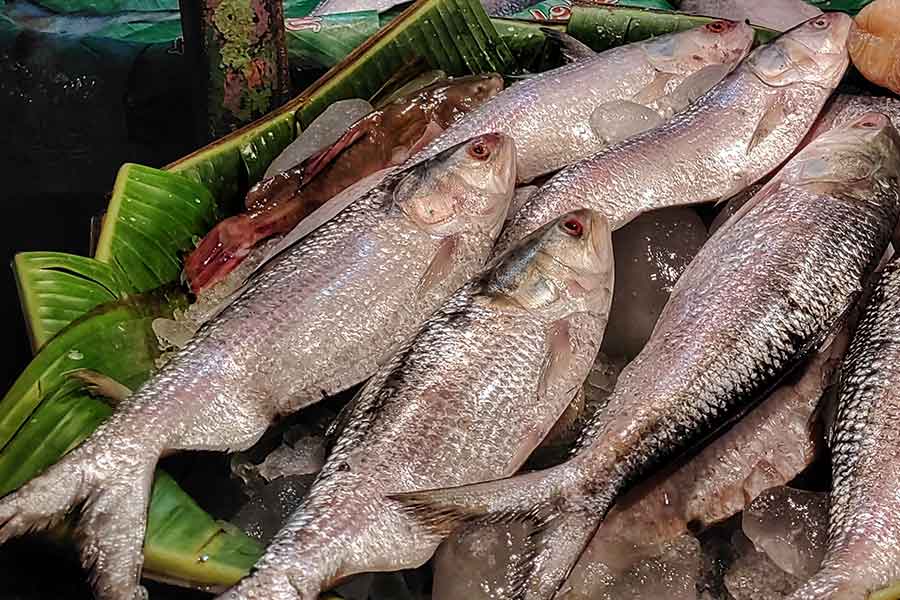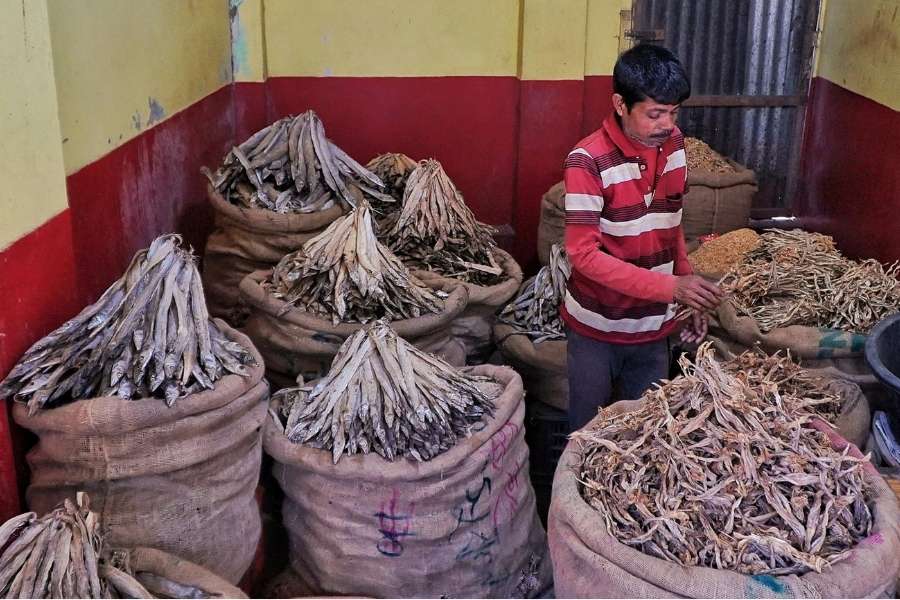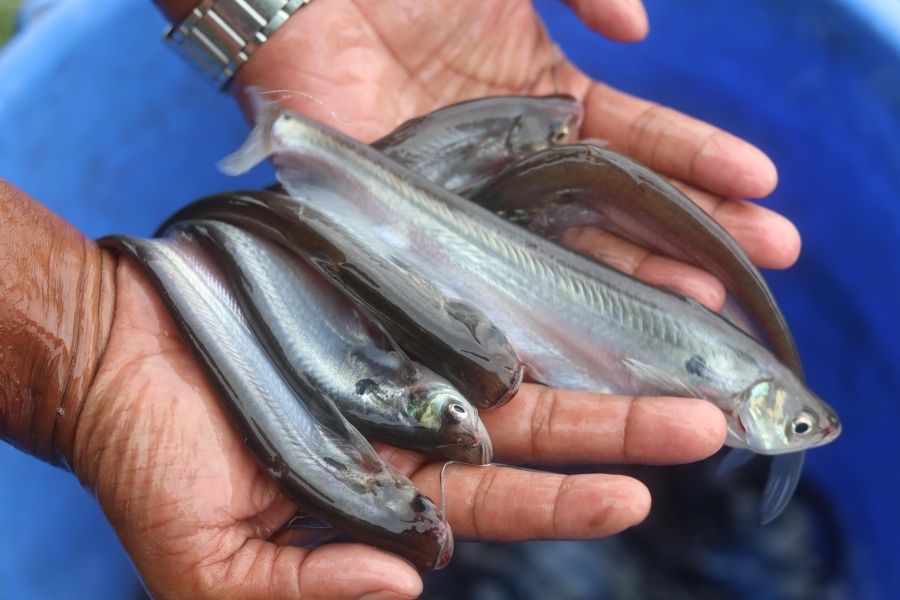
Choto machch like Parshe, Pabda, Topshe and Bata are small indigenous fish that we have been relishing for years. However, now, they are also available in larger, meatier forms in Kolkata markets. While they may look more appealing, health experts say the larger size can be misleading when it comes to nutrition.
The small fish advantage
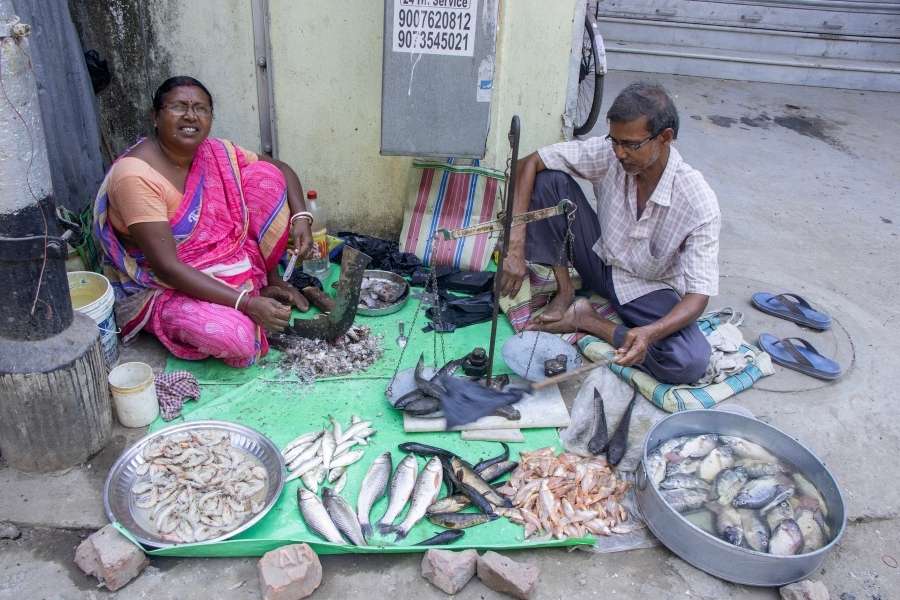
Small fish are fried and used whole in recipes. Their biggest strength lies in how they are consumed. Unlike big fish, every part of these fish is eaten.
“Pabda, Parshe, Bata, Topshe, etc. are nutritionally very good sources of protein and omega-3 fatty acids, which give support for heart and brain health. Since these fish are consumed whole, they are a good source of calcium and phosphorus, which strengthen our bone health,” said Srinwanti Datta, dietitian with Woodlands Hospital. But what happens when these small fish are made bigger in size in farms and fisheries?
What changes in the hybrid fish
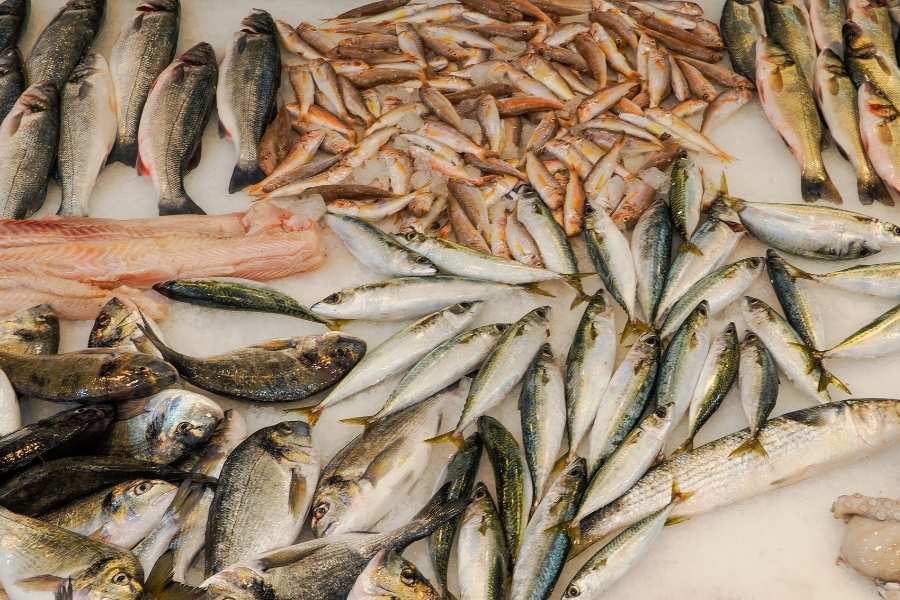
The larger versions flooding the market are farmed or hybrid varieties. These are raised with controlled feeding to accelerate growth, which impacts their nutritional density. While the difference in protein may not be dramatic, experts say the micronutrients can vary.
“Nutritionally, the difference between farmed and desi fish is negligible, but taste-wise, desi or wild caught fish are more popular, as they are naturally fed,” Datta explained. She added that the source of the fish and quality control are crucial, especially to avoid contamination.
The mercury and quality question
Another concern with these unnaturally large fish is the risk of contamination. While these species are naturally small and carry low mercury levels, the large specimens raise questions about their environment and farming practices.
“The primary concern of those appealing big Pabda, Parshe, and bata fishes is mercury accumulation. Such fish are a smaller species and naturally they carry lower levels of mercury than larger ones,” Datta noted.
Debunking the ‘bigger is better’ myth
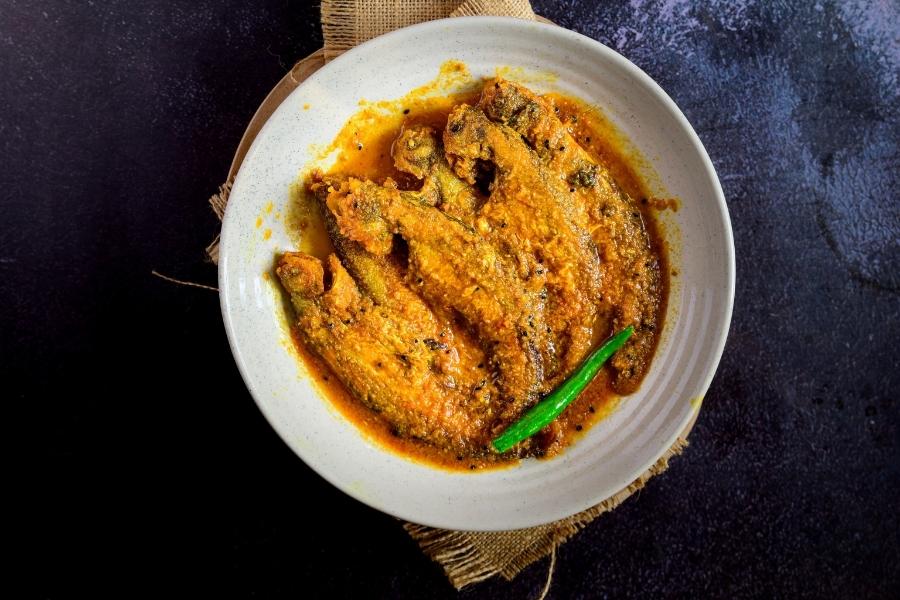
The idea that bigger fish offer more nutrition does not hold true. In fact, smaller fish often deliver more concentrated nutrients per gram.
“As a clinical nutritionist, I recommend small, seasonal, local fish. Include varieties like parshe, pabda, topshe, and bata in their natural size. For patients with calcium deficiency, small fish is excellent,” said Payel Kr Roy, clinical dietitian and critical care nutritionist at Techno India DAMA Hospital.
The small, natural size also means better taste and the meat is softer in texture. The larger ones often taste bland and are sometimes fibrous.